US-Iran parallel talks in Qatar end with pledge to keep talking
US and Iranian negotiators met separately in Qatar on Wednesday with Qatari and Pakistani mediators, achieving positive progress and agreeing to continue discussions after the funeral of Iran's former supreme leader.
US and Iranian representatives held parallel talks in Qatar on Wednesday mediated by Qatar and Pakistan, with both sides reporting "positive progress" and agreeing to continue dialogue, according to Qatar's Foreign Ministry. The next meeting will be scheduled "at the earliest possible time" following the funeral of Iran's former supreme leader, Ayatollah Ali Khamenei, which begins on Saturday in Tehran.
The US delegation included Middle East envoy Steve Witkoff and President Donald Trump's son-in-law Jared Kushner, while Iran was represented by top negotiator Kazem Gharibabadi. The talks aim to secure a permanent end to the war and finalize an interim maritime agreement that would pave the way for a final deal between top leaders. However, significant differences remain over the status of the Strait of Hormuz and the conflict in Lebanon.
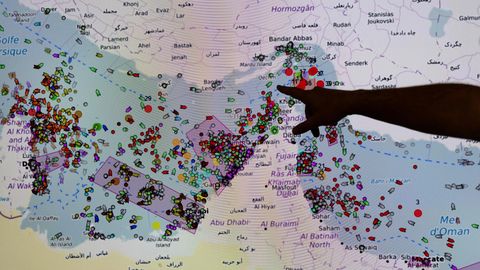
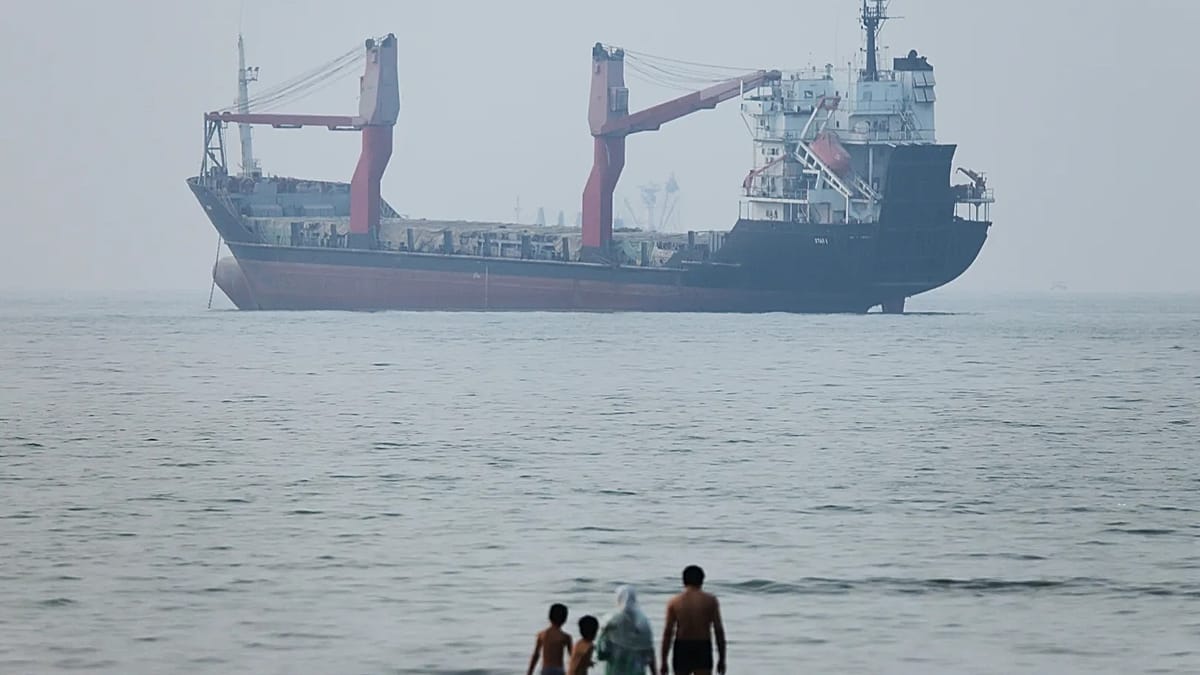
The difficulty of the negotiations was highlighted on Wednesday when a vessel ran aground in the strait while using what Tehran described as an unapproved route. Iranian state television reported that the ship was a foreign container vessel, and the incident appeared aimed at underscoring Iran's territorial claims over the strategic waterway, which the international community has long considered an international passage.
Since the US and Israel launched a war against Iran on February 28, Tehran has consistently used its ability to choke off the vital waterway as a key source of geopolitical leverage, severely disrupting global markets for energy and other goods. An interim deal had allowed ships to transit the strait without fees for 60 days, but Iran insists on controlling vessel routes and later charging fees—a demand opposed by the US and Gulf Arab states. An effort by Oman and a UN agency to establish an alternative route near Oman's shore last weekend sparked attacks across the region, further escalating tensions.