US and Russia agree on diesel supplies; Zelensky says Ukraine is being used as a front
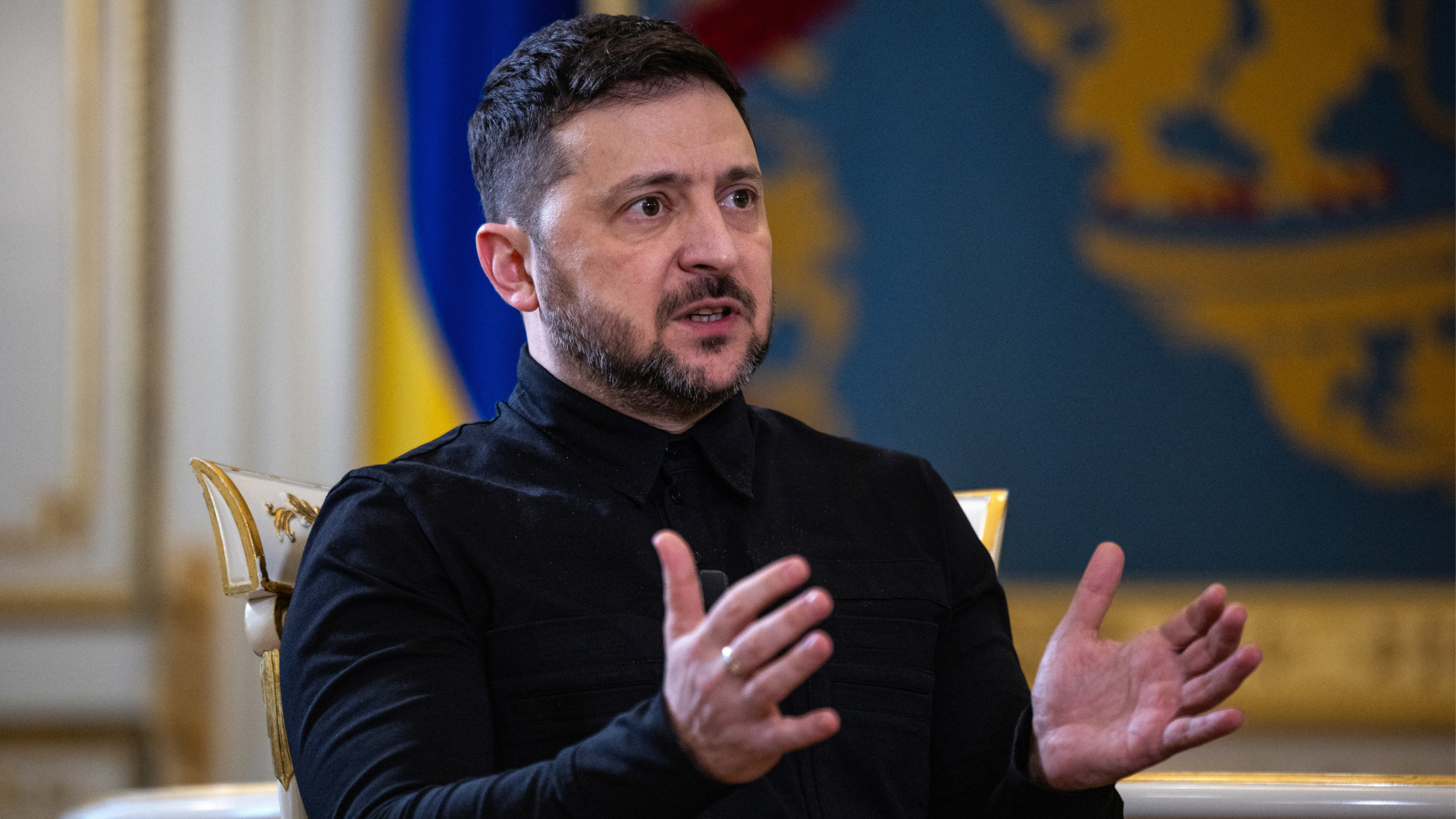
US President Donald Trump announced a deal with Russia's Vladimir Putin on supplying Russian diesel to the US and global markets. Ukrainian President Volodymyr Zelensky criticised easing sanctions without any de-escalation agreement.
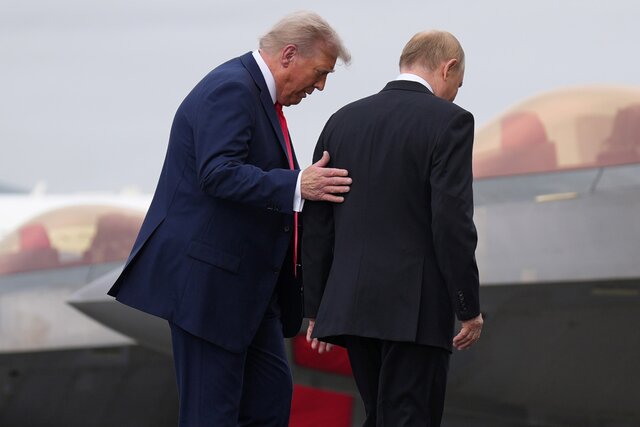
US President Donald Trump announced on the evening of October 9, after a phone call with Russian President Vladimir Putin, that the two countries had agreed to supply Russian diesel fuel to the US and global markets. The deal involves easing sanctions on Russia and has drawn sharp criticism from Ukraine, as peace talks on ending the war are resuming.
Trump called the conversation "highly successful". Putin confirmed Russia is ready to supply oil and petroleum products to the US and other markets. The US Treasury Department has already issued a temporary license allowing Russian diesel to be sold on the global market until April 7, 2027, despite sanctions. Washington had earlier temporarily eased sanctions on Russian oil because of a market crisis caused by the US and Israeli war with Iran.
Volumes and Russian restrictions
Trump said the sides agreed on the "immediate" delivery of more than 300,000 metric tons of Russian diesel, followed by 500,000 tons in November and another million tons after that. Russian Deputy Prime Minister Alexander Novak said Russia could supply additional diesel to the US as early as October, with exports expected to rise in November and December as refineries resume work after repairs. Russia has begun lifting diesel export restrictions, though a producer export ban on diesel and marine fuel remains in force through the end of October. It was introduced amid Ukrainian strikes on Russian refineries and a domestic fuel crisis over the summer.
Zelensky's reaction
Ukrainian President Volodymyr Zelensky wrote on social media that any easing of sanctions without de-escalation agreements shows "obvious weakness". In his view, Russia will "repay" the diesel with further terror, and real de-escalation on a reciprocal basis is needed. Speaking to reporters, he said: "I think our team is simply being used as a front. That's certainly dishonest."
Talks background
A Ukrainian delegation is reportedly meeting US negotiators Steve Witkoff and Jared Kushner in Miami on October 9 and 10. Reuters reported that national security advisers of the UK, France and Germany, plus representatives of NATO and the EU, were invited. Putin rejected the idea of an "energy truce" on October 2, a proposal under which Kyiv said it would stop hitting Russian refineries if Russia stopped striking Ukraine's energy infrastructure.