US Government Plans to Use AI to Help Redact Documents
The US Department of Homeland Security plans to use Google's AI tools to recommend redactions for FOIA request documents. By the end of September, AI will be used on more than 10 percent of all requests.
The US Department of Homeland Security, through its Customs and Border Protection division, plans to use Google's artificial intelligence tools to recommend which information should be blacked out in responses to Freedom of Information Act (FOIA) requests. This is according to GitHub documents uncovered by The Washington Post.
According to those documents, by the end of September the AI system will be applied to documents making up more than 10 percent of all FOIA requests — roughly 100,000 to 140,000 cases in total. After receiving the AI's recommendations, DHS employees will review each case to ensure requesters receive what the documents describe as "accurate and complete" information. The documentation states that this automation is expected to significantly reduce processing times.
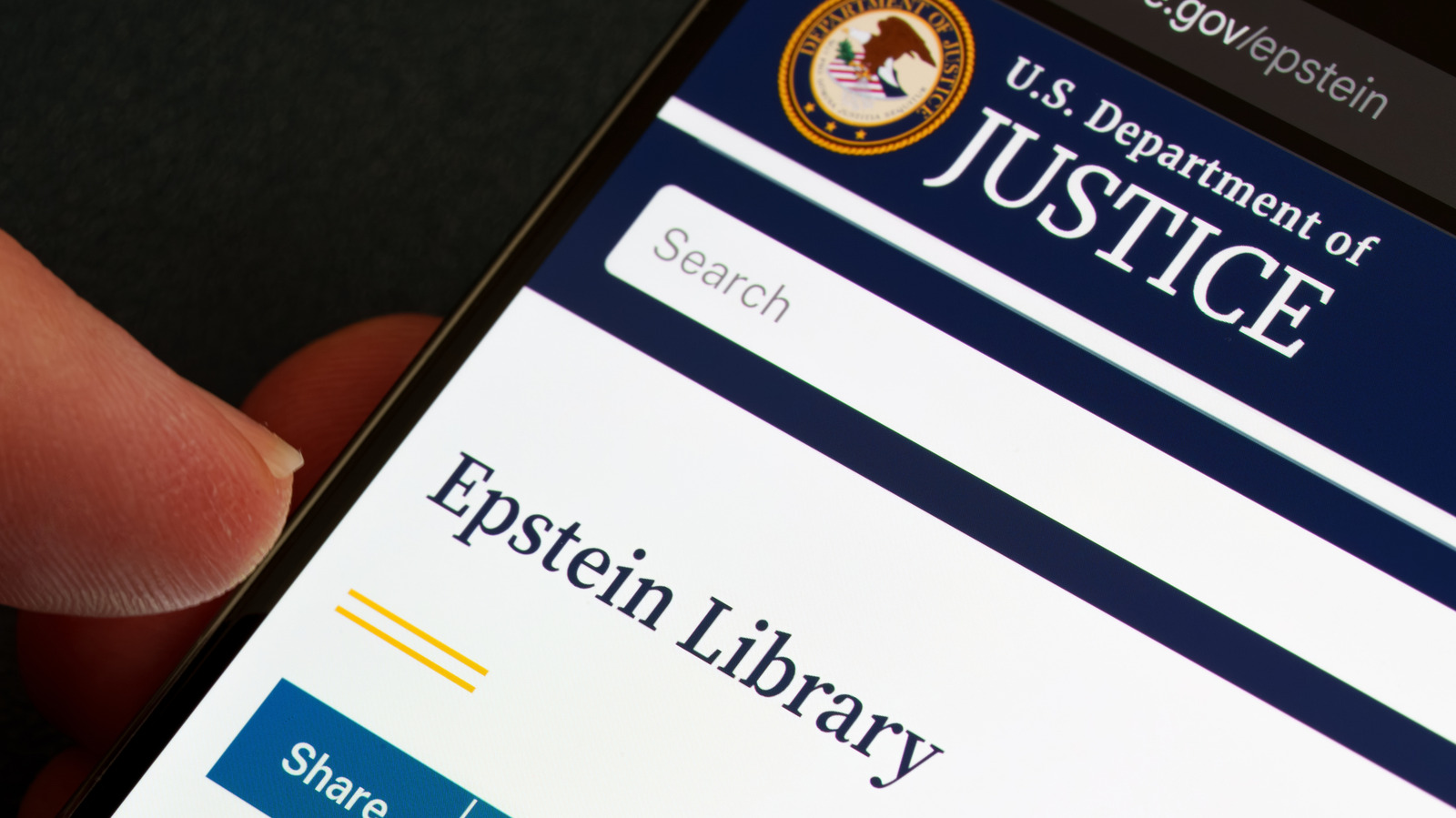
The topic has drawn attention recently after the US Department of Justice used extensive text redaction across millions of pages while releasing documents related to the Epstein case.
Other agencies also adopting AI tools
As part of its reporting, The Washington Post found that several other federal agencies are developing or already using AI-based redaction tools. The Interior Department uses Microsoft tools to identify potential attorney-client privileged information. The Department of Justice uses a tool called aiWARE, made by Veriton, to redact video content. Meanwhile, the Department of Health and Human Services is developing its own tool, named FRED, to redact unknown or unidentified information. An FDA spokesperson told the Post that the agency is responsibly exploring limited uses of AI to help FOIA staff process records more efficiently.
While the government presents these tools as a way to save time, experts warn of potential downsides. A FOIA expert at the University of Florida cautioned that the technology could become a powerful tool enabling greater government secrecy, and said its use needs to be watched carefully.

