US administration seeks new spaceport on federal land amid launch surge
A new White House space transportation policy directs agencies to identify additional launch and reentry sites, including federal land, after a Pentagon study found the need for a third heavy-lift launch location.
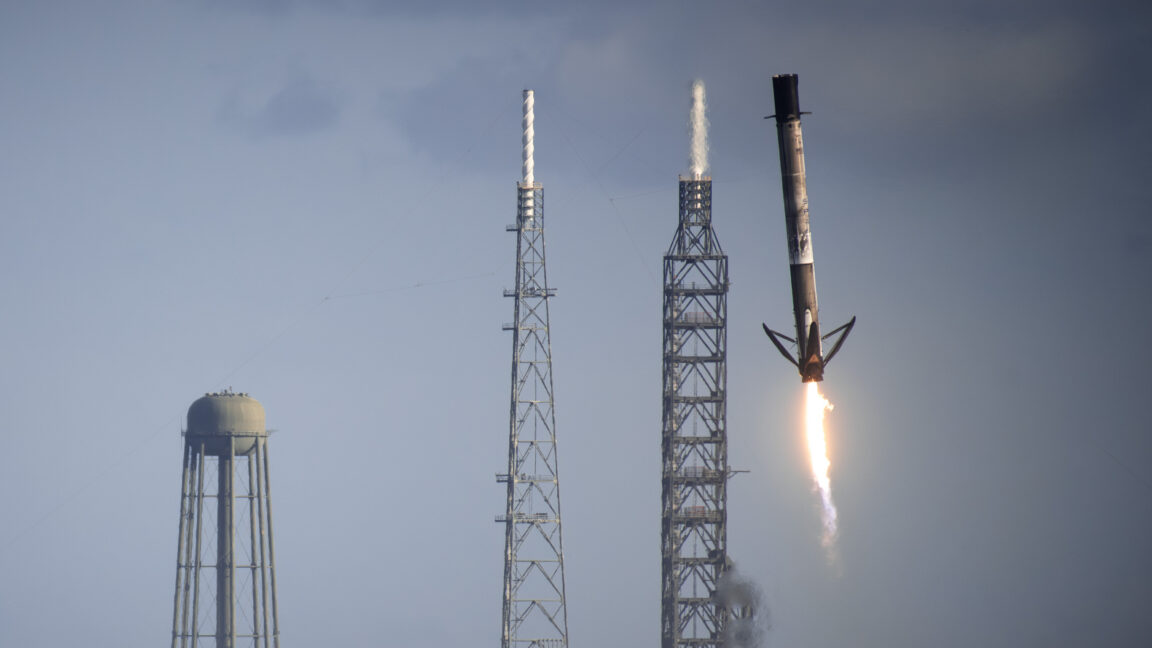
The Trump administration has issued a new space transportation policy directing the government to identify additional locations across the United States for launch and reentry operations. The plan also calls for better integration of space launch and reentry activity into national airspace, modernized air traffic control, and designated priority airspace for critical launch corridors.
As part of the directive, the Department of the Interior has been told to identify federal lands that could serve as an additional designated site for spacecraft reentry. This follows a public comment request issued last month by the Interior Department's Bureau of Ocean Energy Management, exploring whether submerged lands and abandoned offshore oil rigs could be used for sea-based launch and reentry operations.
Geographic resiliency
This part of the policy appears to reflect the conclusions of a recent, still-unreleased Pentagon study, which found that the country needs a third site capable of heavy-lift and super heavy-lift launches. Air Force Secretary Troy Meink described the findings at a May hearing before the House Armed Services Committee, saying an additional site is needed both for resiliency and because of space limitations at Cape Canaveral.
Space Force Chief of Space Operations Gen. Chance Saltzman said at the same hearing that launch capacity needs to increase, and that geographic resiliency may require spreading operations beyond the two launch ports the US currently relies on.
The new policy also aims to make launches more responsive, including the ability to place high-priority payloads into orbit within 48 hours of need, potentially using expeditionary sites far from conventional launch ranges. Companies such as Rocket Lab and Astra are already developing portable launch infrastructure toward that goal.
The memo further backs NASA's ongoing efforts on commercial transportation to and from the Moon, and directs the agency to support future commercial robotic and human missions to Mars. The administration is also continuing other elements of national space transportation policy already underway, including expanding commercial access to federal launch ranges, speeding up permitting and environmental reviews, and charging user fees to commercial launch companies operating from NASA or US military spaceports.