US pummels Iran as Tehran targets regional bases stationing US forces
The US and Iran continue to exchange strikes, with Washington bombing Iranian military sites and Tehran attacking US bases in the Persian Gulf region, as the Strait of Hormuz crisis deepens.

On Friday, the US launched a fresh barrage of strikes against Iranian military sites, while Iran retaliated by attacking US facilities across the Persian Gulf region. The 13th consecutive night of fighting showed no signs of de-escalation, with diplomacy appearing stalled. US embassies in the Middle East began warning Americans that evacuation options may become limited, and Iran's Revolutionary Guard advised residents of neighboring countries to stay away from bases housing US troops.
Iranian Foreign Minister Abbas Araghchi vowed that Iran would not bow to US bullying, noting ongoing discussions with China and Russia. He warned that the Islamic Republic is neither intimidated by threats nor will it yield to pressure.
At the heart of the conflict is the Strait of Hormuz, a vital waterway for global energy supplies, which Tehran has effectively shut down through attacks, sending fuel prices soaring and causing widespread economic turmoil. In Erbil, northern Iraq, where US military advisers are stationed, security officials reported that US-led forces shot down five explosive-laden drones. Blasts and black smoke were seen near the airport, a base for US forces.
Iran's military claimed attacks on US assets in Bahrain, Jordan, and Kuwait. The army said it targeted the Isa Air Base in Bahrain with Arash kamikaze drones, targeting fuel tanks, warehouses, and barracks. Bahrain confirmed intercepting "a number of Iranian aerial aggressions" and accused Tehran of targeting civilians. Jordan said it intercepted seven missiles and six drones, with no casualties. Iran also claimed drone attacks on the Al-Azraq base in Jordan and on US equipment warehouses and personnel sites in Kuwait, including Camp Udairi, Camp Doha, and Camp Arifjan. The Revolutionary Guard said it targeted the Ali Al Salem Air Base in Kuwait, destroying an ammunition depot and inflicting casualties. They also claimed attacks on a US Fifth Fleet watchtower in Bahrain and storage silos in Kuwait.
Tehran argues that any base used by the US for strikes on Iran is a legitimate target. The head of Iran's Khatam al-Anbiya central command threatened US personnel with "free, one-way tickets to hell," vowing that for every Iranian killed, an American service member would be sent to hell.
The US struck a Revolutionary Guard naval base in northern Iran, as well as sites on Qeshm Island, a base for drone boats used in the Strait of Hormuz, and in Isfahan province, home to a major air base and nuclear site. Additional strikes hit Khuzestan and Fars provinces. US Central Command said the strikes aimed to further degrade Iran's ability to threaten civilian mariners and commercial vessels.
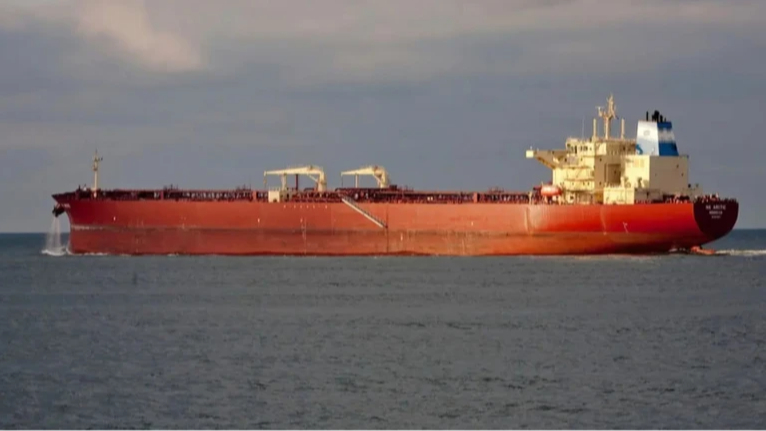
Iran's ability to choke the Strait of Hormuz gives it significant leverage. Its Houthi allies in Yemen increased pressure by targeting two Saudi oil tankers in the Red Sea on Thursday, threatening shipping through the Bab el-Mandeb Strait. However, Houthi negotiator Mohammed Abdusalam said they were not seeking to close the strait but maintain a maritime blockade only against Saudi Arabia. The attacks have sparked fears of a second front.
There are no public signs of progress in negotiations. Pakistani Foreign Minister Ishaq Dar met his Iranian counterpart on Friday, but Araghchi appeared to dismiss mediation, insisting the US must change its position.