'Devastating': Lives of nurses and patients upended by Trump migrant crackdown
The Trump administration's termination of Temporary Protected Status for 13 countries has left thousands of healthcare workers jobless, straining the U.S. healthcare system and devastating patients who relied on their care.
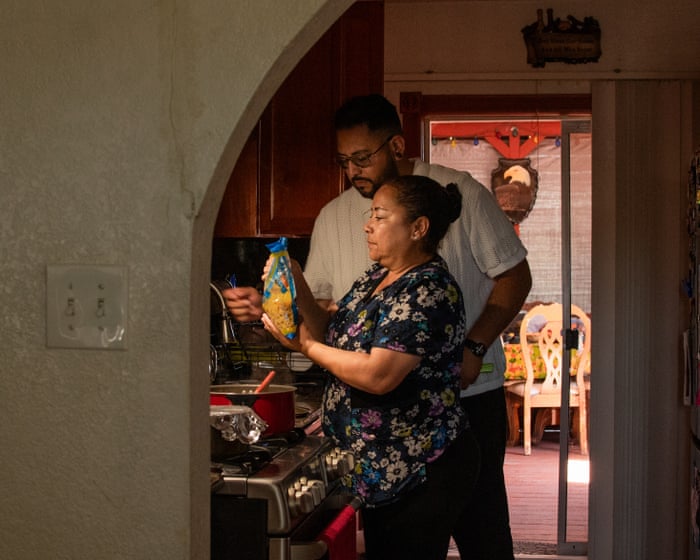
When Dolores Jacoby was diagnosed with acute myeloid leukemia in 2012 and given three months to live, her nursing assistant Janeth—a Honduran immigrant with Temporary Protected Status (TPS)—became a lifeline. Janeth brought the family their favorite drinks, comforted Dolores, and helped her live three more years. After 23 years on the job, seven-time winner of a national nursing award, Janeth lost her job last September when the Trump administration revoked TPS for Honduras. She can no longer pay her mortgage and moved in with her daughter. “I just want my job back. I want to take care of my patients again,” she said.
Janeth’s story reflects a broader crisis. Since returning to office in 2025, President Trump has ended or attempted to end TPS for 13 of the 17 designated countries, including Honduras, Venezuela, Syria, and Haiti. An estimated 1.3 million people in the U.S. hold TPS, with at least 50,000 working in healthcare—about one in six direct patient care workers are immigrants. Kimberly Pierce Burke of the Alliance of Independent Academic Medical Centers warns: “We can’t ban patients, but now there is a shortage of people to care for them.”
At Ventura Services Florida, which runs nine nursing homes in Miami, 20–30% of staff are TPS holders doing jobs many Americans avoid, such as bathing and feeding patients. Jhony Silva, who came from Honduras at age 3, worked as a nursing assistant at Stanford Hospital before losing his job and dropping out of nursing school. He is now a lead plaintiff in a lawsuit challenging the TPS revocation.
Democratic lawmakers have warned that the policy harms the most vulnerable Americans. Janeth’s former colleagues say her absence is felt every day—she could turn difficult patients into loyal fans. One patient wrote that her eyelashes reminded him of butterflies, making him feel like he was in a garden. Janeth keeps a box of patient letters but can no longer bear to look at them. “It’s too painful,” she says.