EPA moves to eliminate power plant emissions regulations
The US Environmental Protection Agency is trying to scrap greenhouse gas limits on power plants and argue it has no authority to regulate such emissions at all. The move is expected to face legal challenges, though a resolution could take time.
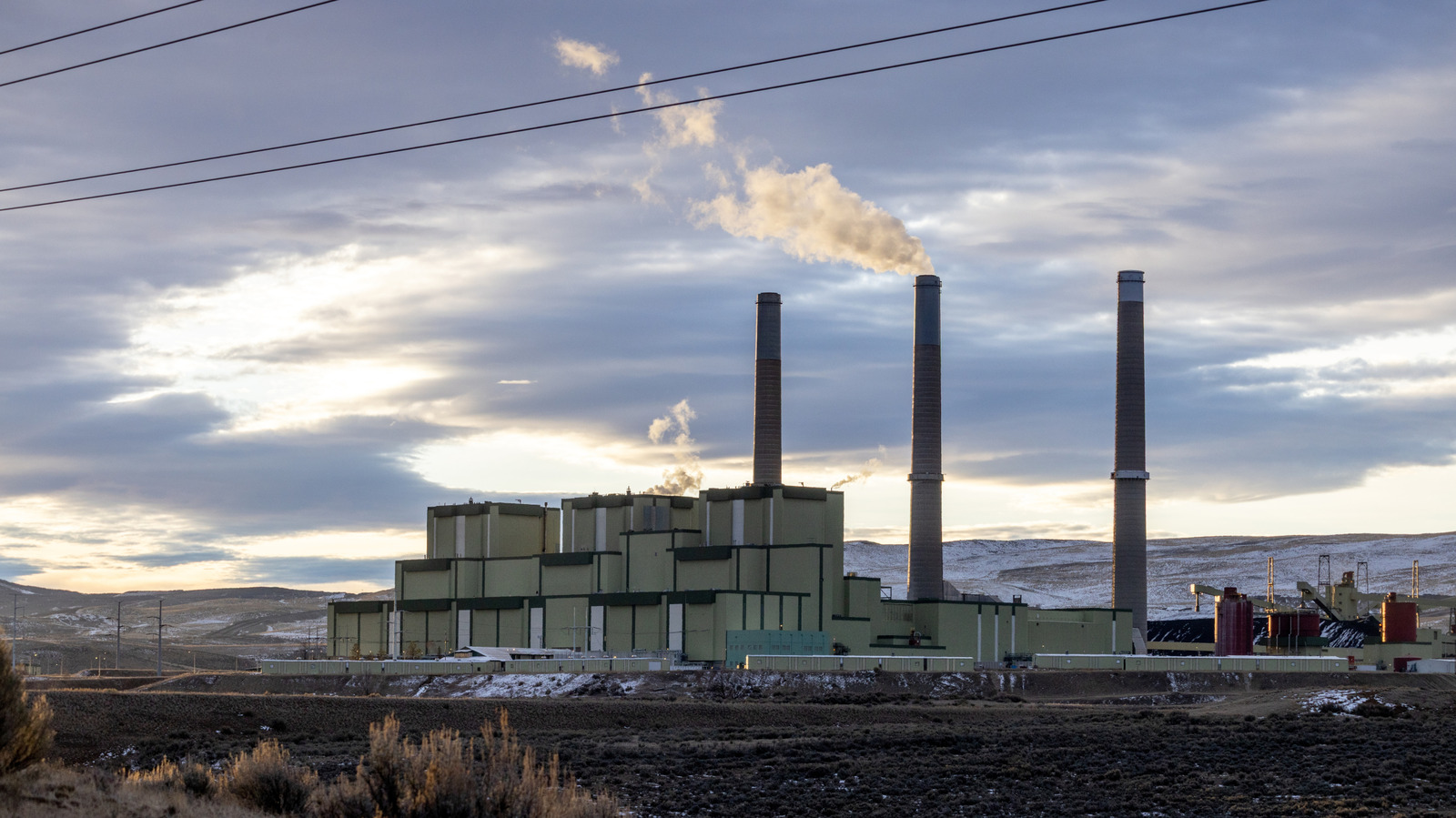
The US Environmental Protection Agency (EPA) is taking another step away from its core environmental mission in favor of the fossil fuel industry. According to a report by The New York Times, the agency is working to erase greenhouse gas pollution limits on power plants through two separate actions.
First, the EPA is seeking to rescind a Biden-era policy that required power plants to cut most of their greenhouse gas emissions by 2039 or shut down. Second, the agency is arguing that it lacks authority under the Clean Air Act to regulate power plant emissions at all, basing this claim on assertions that greenhouse gases pose no harm to public health or the environment — claims that lack scientific support.
If the EPA succeeds, the resulting precedent could block future administrations from regulating these emissions, even as UN researchers continue warning that greenhouse gases raise the risk of more severe and destructive weather events.
This is the latest in a series of moves by the current administration that critics say are hollowing out the EPA, despite growing concern among scientists about climate change risks. In February, the agency rescinded the so-called Endangerment Finding, a 2009 determination that confirmed the health risks of several greenhouse gases and served as the legal basis for the EPA's authority to regulate them. That reversal followed the US withdrawal from the Paris Agreement in 2025 and from several other international climate bodies earlier in 2026.
Like the repeal of the Endangerment Finding, today's action is expected to face legal challenges. However, even if those challenges eventually succeed, the time needed for courts to reach a resolution is a concern, given how little time remains to prevent dangerous global temperature increases.