Antibiotic megacluster discovery offers new strategy to fight superbugs
Researchers at McMaster University have discovered a gene megacluster in Streptomyces bacteria that produces four molecules working together to block bacterial biotin synthesis, potentially leading to new combination antibiotics.
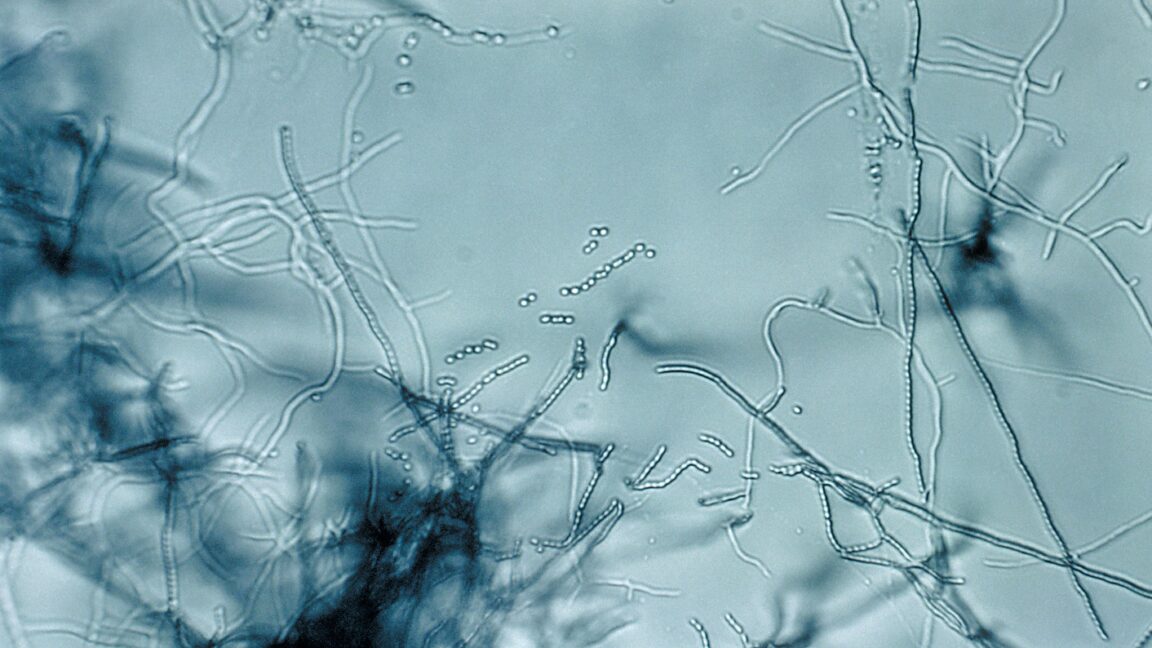
A breakthrough in the fight against resistance
Scientists led by Eric Brown at McMaster University in Ontario, Canada, have reported a discovery that could reshape antibiotic development. Published this week in Nature, the study identifies a large gene cluster — a so-called megacluster — in Streptomyces bacteria that encodes four molecules that synergistically disrupt the biotin (vitamin B7) biosynthesis pathway, essential for many pathogens.
How the megacluster works
Traditionally, antibiotic discovery focused on single biosynthetic gene clusters (BGCs) producing one active molecule. But Brown’s team found a cluster of four clusters — the megacluster — that yields not one but four molecules. Three of them — stravidins, acidomycins, and dapamycins — each inhibit a different enzyme in the biotin pathway. The fourth molecule, α-Me-KAPA, acts as a decoy, replacing a natural biotin precursor and leading to a useless biotin mimic. Additionally, the megacluster is flanked by genes for streptavidin, a protein that binds and sequesters biotin.
Test results
In test-tube and mouse experiments, the megacluster’s products killed various bacteria, and combinations were more potent. Steven Rutherford from Genentech, in an accompanying commentary, noted that the discovery shows evolution has already found effective antibacterial combinations that may be harder for microbes to resist.
Path to clinical use
While many steps remain — including basic research, molecule optimization, and costly clinical trials — the approach of searching for megaclusters could revitalize natural product antibiotic discovery. The researchers conclude that this paradigm of naturally evolved combination therapies supports a shift from isolating single hits to reconstructing native synergistic systems.
