Single protein may explain why damaged nerves struggle to heal
Researchers at the Icahn School of Medicine at Mount Sinai report in Nature that the protein AHR suppresses regrowth in injured nerve cells. Blocking it improved movement and sensation recovery in mice with nerve injuries.
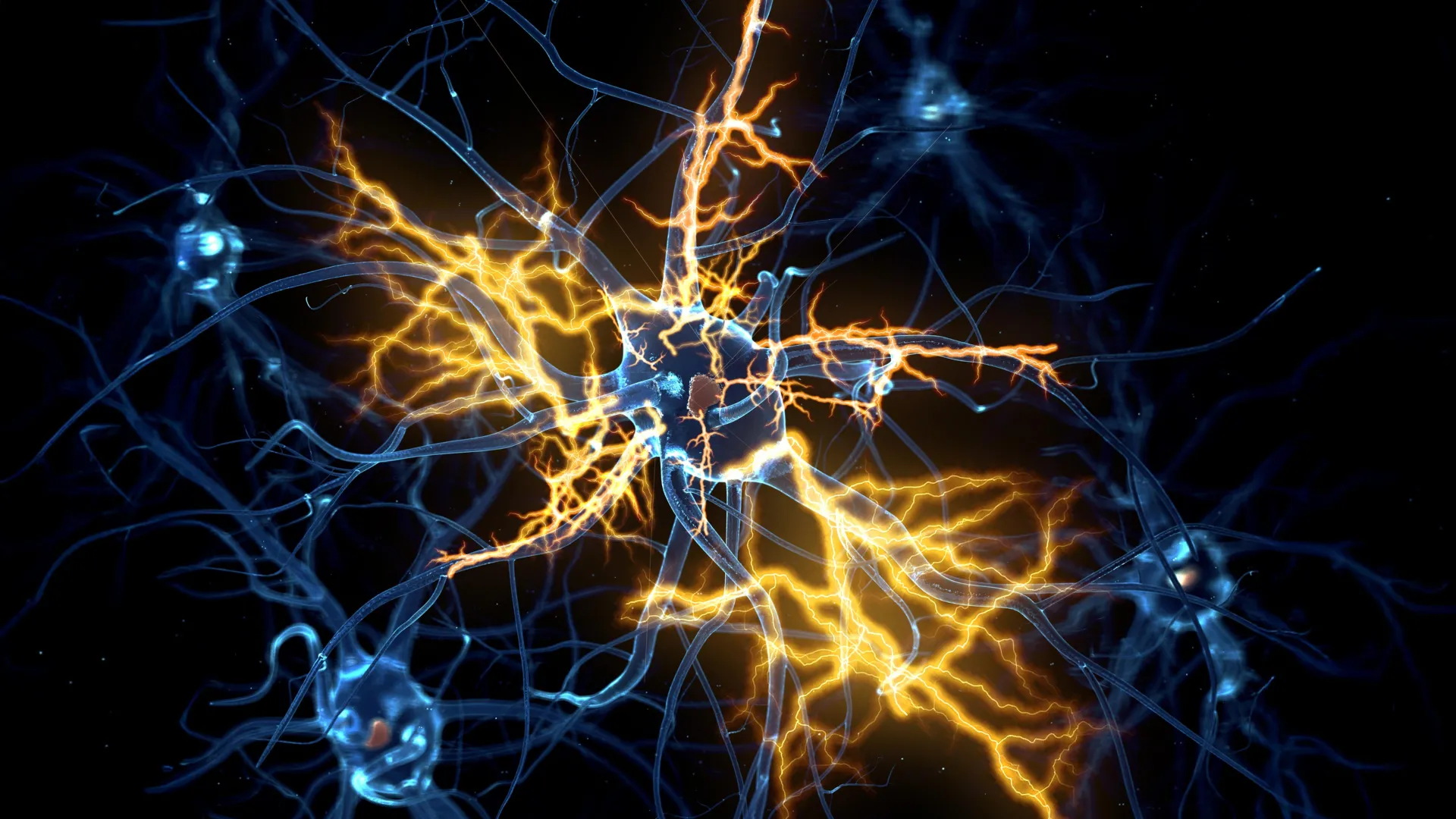
Researchers at the Icahn School of Medicine at Mount Sinai in New York have identified a molecular switch that helps explain why damaged nerves heal poorly. The findings, published in the journal Nature, could point toward new treatments for nerve and spinal cord injuries, which often lead to lasting disability.
The study shows that a protein called the aryl hydrocarbon receptor (AHR) limits the ability of injured neurons to rebuild damaged connections. Neurons send signals along long, thin fibers called axons, which link the brain, spinal cord, muscles and sensory organs. In adult mammals, neurons regenerate axons only to a limited extent, especially in the brain and spinal cord, so serious injuries can leave long-term or permanent impairment.
How the "brake" works
Hongyan Zou, professor of neurosurgery and neuroscience at Mount Sinai and senior author of the study, said injured neurons must handle stress while also trying to regrow axons, and that AHR acts like a brake pushing them toward stress management rather than repair.
After an injury, AHR activates protective mechanisms that maintain proteostasis, meaning proteins stay properly folded and functional. This defense helps neurons withstand stress but limits production of new proteins, including those needed to rebuild axons. When the researchers genetically removed AHR from neurons or inhibited it with drugs, damaged fibers regenerated more effectively. In mice with spinal cord or peripheral nerve injuries, suppressing AHR improved recovery of both movement and sensation. The response also depends on another protein, HIF-1α, best known for helping cells adapt to low oxygen.
What comes next
Several AHR-inhibiting drugs are already in clinical trials for other diseases, which could offer a starting point. Substantial work remains, however: scientists must determine how well such drugs work across different nerve injuries, the best timing and dosage, and how suppressing AHR affects other cell types. The team plans to study both AHR-blocking drugs and gene therapy approaches.