Atwood: The Sword Is Mightier Than the Pen
Canadian author Margaret Atwood tells philosopher Aaron James Wendland why authoritarian regimes target writers, arguing that literature has influence but not power.
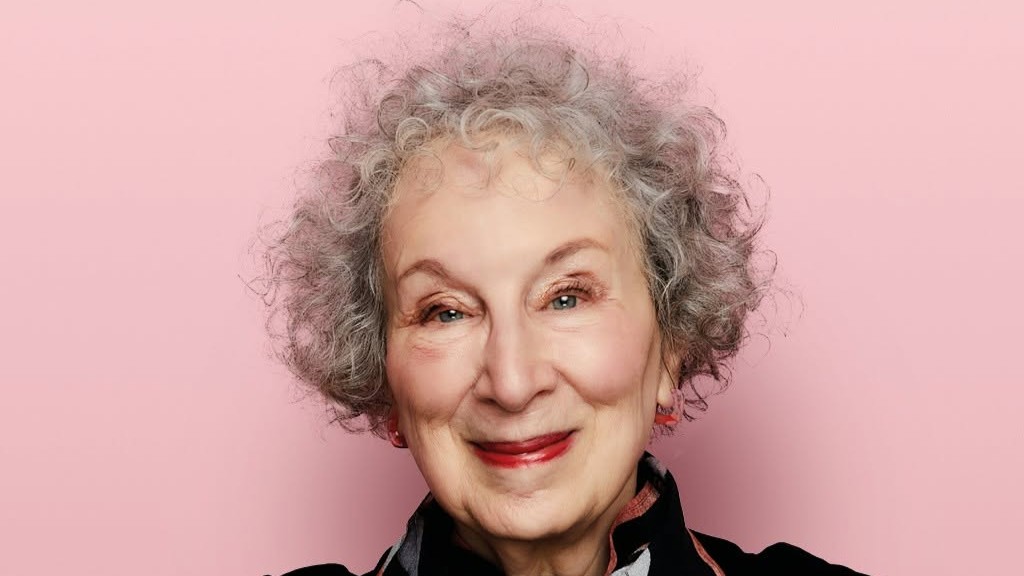
Canadian author Margaret Atwood, who wrote The Handmaid’s Tale, has discussed the role of writers and the way authoritarian regimes treat them in a conversation with philosopher Aaron James Wendland. The exchange took place at a benefit conference for a Ukrainian academy and was published by the outlet Estonian World.
Novels about people in time and place
Atwood stresses that novels are always about people, and that time is built into them: if nothing happens, readers stop reading. When a story's setting is in crisis, such as a flood or a war, the characters cannot isolate themselves from it, so questions of power and control inevitably surface. She also rejects the idea that novelists need not tell the truth. A factual error, such as claiming Napoleon won at Waterloo, would deserve criticism unless the work is clearly presented as speculative fiction.
On The Handmaid’s Tale, she says that in 1984 she asked what kind of totalitarianism could emerge in the United States. In her view, the country's foundational layer is 17th-century puritanism, which was not a democracy, and there is a constant pull to revert to it.
The sword and the pen
Atwood argues that writers do not create the conditions for change but reflect them. In her view, “the pen is mightier than the sword” holds only if everyone with a sword is dead and the books remain in print, so the sword is in fact mightier. Writers, musicians and other artists and dissidents have influence but not power, she says, and that influence is why totalitarian regimes want to be rid of those who do not toe the line.
Utopias and “Practical Utopias”
Wendland later asked about hope, drawing on his reporting from Kyiv in the summer of 2022. Atwood answered with a history of Victorian utopias, including the short-lived Fruitlands community, and said a utopia must begin with the material world. For that reason she helped start a programme called “Practical Utopias”, in which 200 people from around the world, aged 18 to 75, were asked to design a utopia that is carbon neutral or negative, scalable and attractive.