Australia weighs making social media algorithms optional, eyes UK strangulation porn ban
The Australian government is considering letting users opt in or out of social media recommender algorithms and is examining a UK ban on strangulation depictions in pornography, amid concerns over rising sexual violence among teenagers.
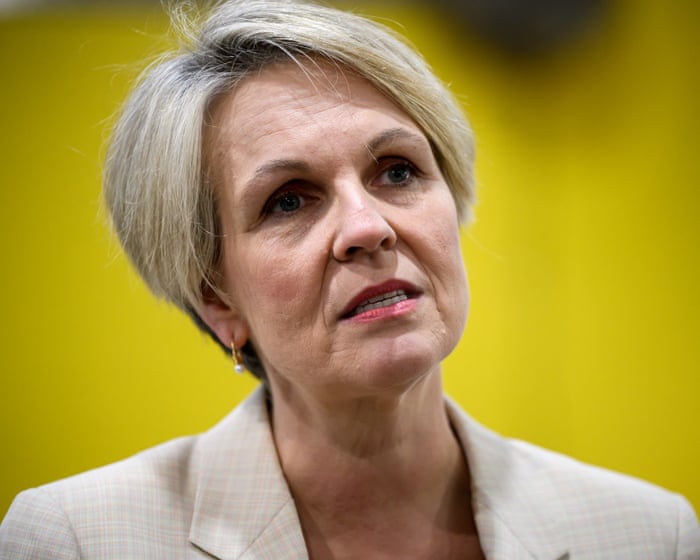
Australia's social services minister, Tanya Plibersek, has said the government is considering allowing social media users to opt in or opt out of recommender algorithms, while also examining a recent UK ban on depicting strangulation and suffocation in pornography. The measures are being weighed as part of the government's second action plan to end family and domestic violence against women and children.
The consideration follows the death of a 16-year-old girl in Sydney, believed to have resulted from asphyxiation during a sexual encounter. No arrests have been made in connection with the case.
Speaking on the ABC's Insiders program, Plibersek said social media algorithms deliberately push violent and misogynistic content to boys and young men, normalising strangulation during sex. She said it takes an average of 23 minutes for a newly created account belonging to a young boy to be served such content, and noted that 60% of young people now report having experienced strangulation during a sexual encounter.
Working with advocacy groups
The government is working with Teach Us Consent, the group founded by Chanel Contos that has campaigned for opt-in-only algorithms. Plibersek said officials are also closely reviewing a recent Meta case in the United States.
Australia already bans social media access for under-16s, a law that took effect in December, and has introduced age verification for pornography, though Plibersek has acknowledged children can still find ways around these rules.
The Labor government will soon begin consultations on a digital duty of care bill that would require tech and AI companies to make online spaces safer. Plibersek also raised concerns about camera-equipped smart glasses, which could be used to covertly film people, including during sexual encounters, and said this issue would be addressed under an upcoming second round of privacy reforms.