Australia Allows Continued Use of Herbicide Paraquat Despite Parkinson's Fears
Australia's pesticide regulator has decided not to ban the weedkiller paraquat, banned in over 70 countries, citing lack of proven causal link to Parkinson's disease, despite scientists and neurologists pointing to strong correlations.
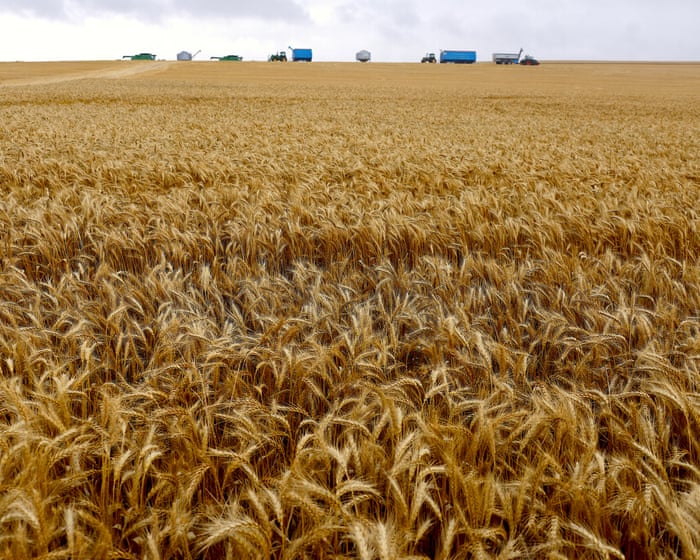
The Australian Pesticides and Veterinary Medicines Authority (APVMA) announced its final decision on Tuesday after a decades-long review: the highly toxic herbicide paraquat and related chemical diquat will remain legal for use, but with stricter conditions to reduce exposure risks for farmworkers, birds, and mammals.
Paraquat is widely used in Australian agriculture, particularly for grains, sugarcane, cotton, and horticulture. APVMA chief executive Scott Hansen stated that while the regulator would have liked a clear answer on Parkinson's causes, an extensive review of hundreds of scientific papers did not establish a causal link between paraquat and the neurological disease.
Over 70 countries have banned paraquat, including the European Union and the United Kingdom, which did so in 2007 after a lawsuit found manufacturer Syngenta had not proven the herbicide's safety. Unlike the EU's precautionary principle, Australia uses a risk-based assessment that requires actual risk to be demonstrated.
However, Parkinson's researchers argue Australia is out of step with scientific evidence. Neurologist Professor Wes Thevathasan noted multiple epidemiological studies suggesting paraquat increases Parkinson's risk by about threefold. Parkinson's Australia CEO Olivia Nassaris expressed disappointment, asking, "Are the lives of Australians less valuable?"
The APVMA's decision imposes new restrictions: backpack sprayers will be phased out, enclosed mixing and loading systems will be required, and enhanced personal protective equipment must be used. The maximum application rate is reduced from 1,150 grams per hectare to 231 grams, with higher rates allowed only for technology-assisted spot spraying limited to 30% of an area.
The agricultural industry opposes a ban, arguing paraquat is essential for no-till farming, which retains soil moisture and prevents erosion. Independent senator David Pocock criticized the decision as another example of vested interests prevailing over community interest.