Australia's immigration row escalates as critics question Hanson's silence
Australian politics remains dominated by clashes over One Nation's proposed migration cuts, with both major parties warning of economic damage, while debate also continues over the Whyalla steelworks closure and ministerial conduct.
Debate in the Australian parliament continues to center on immigration policy after One Nation this week unveiled a plan to cut temporary visas by 750,000 over three years. Both the governing Labor party and the opposition Coalition have warned the move could push the country into recession.
One Nation MP Barnaby Joyce acknowledged he could not say exactly how the policy would affect the budget or jobs, but insisted it would go ahead "no matter the cost." He dismissed questions about why the party had not consulted the parliamentary budget office, arguing that its officials are not elected while he is.
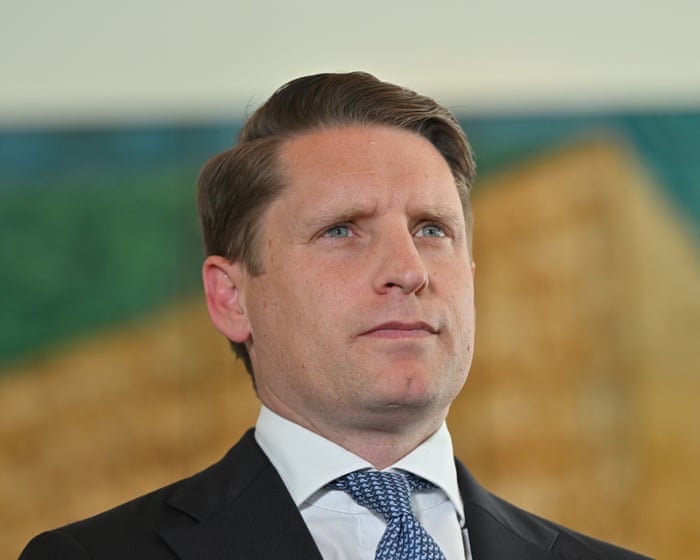
Liberal frontbencher Andrew Hastie questioned why party leader Pauline Hanson announced the policy through a prerecorded video rather than facing reporters directly, saying she lacked the courage to explain the economic and human consequences herself. Meanwhile, a shadow minister said the Coalition's own migration plan, still being finalized, would be fully costed and released within weeks.
Several government figures separately condemned resurfaced remarks in which Hanson described Indigenous Australians in derogatory terms, calling the comments "rotten" and "ugly" and warning against importing divisive, American-style political rhetoric into Australia.
Alongside the immigration debate, officials addressed the shutdown of a major blast furnace at the Whyalla steelworks in South Australia, which affects more than 500 jobs. The state premier expressed cautious optimism that steelmaking would continue there once the plant is sold, a process expected to conclude by year's end.
On the economic front, a federal minister played down expectations that a recent spike in oil prices, triggered by drone attacks disrupting Saudi Arabian crude infrastructure, would prompt the government to reinstate temporary fuel excise relief, noting the earlier measure had always been intended as short-term. Separately, Prime Minister Anthony Albanese said he had spoken with Britain's King Charles III, conveying Australia's best wishes to the monarch and the royal family.

/nginx/o/2026/09/14/17918398t1hbed1.jpg)