Whale that swam 11km up Australian river later dies, sharks lured to area
A juvenile humpback whale that swam 11km up the Clarence River in New South Wales became stranded and died, prompting warnings over increased shark activity nearby.
A juvenile humpback whale that swam roughly 11 kilometres up the Clarence River on the New South Wales mid-north coast died over the weekend after becoming stranded, authorities have confirmed. Members of the public first spotted the ailing whale entering the river near Bundjalung National Park on Saturday afternoon. A spokesperson for NSW National Parks and Wildlife Service said the animal swam onto a sandbar and became grounded in shallow water, dying within roughly 30 minutes of being observed stuck. The carcass was towed back out to sea on Sunday.
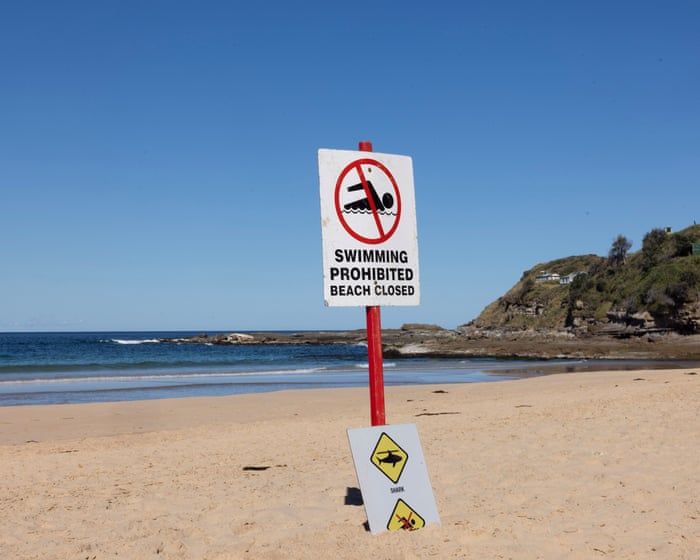
Following the incident, increased shark activity was reported in the surrounding waters, with SharkSmart NSW advising beachgoers to avoid surfing, swimming or diving at nearby beaches.
Whale scientist Dr Vanessa Pirotta said that while the episode was unusual, whales occasionally explore rivers and estuaries out of curiosity, misadventure, or because they are unwell — the latter appearing likely in this case, as the whale looked extremely unwell. She noted that most whales would not be heading toward a river at this time of year, since east and west coast populations are currently migrating south toward Antarctica to feed on krill.
Similar incidents have occurred before: in April, a whale was stranded on a sandbar in Wallis Lake after swimming under the Forster Tuncurry Bridge; last year two humpbacks swam into Melbourne's Yarra River; and in 2020 three humpbacks entered the East Alligator River in Kakadu National Park, with one travelling 30km upstream, all eventually returning to sea.
A spokesperson for cetacean rescue group Orrca said that while it was unusual for a whale to travel several kilometres into a river system, it was not unprecedented. Based on the heavy barnacle growth observed on the Clarence River whale, it may have been suffering a chronic illness or injury, though the exact cause of death could not be confirmed from imagery alone. The group noted that roughly 50,000 humpback whales migrate along Australia's east coast each year, making it unsurprising that a small proportion show signs of poor health.
The incident came less than a week after a humpback whale carcass washed up on a Perth beach and attracted multiple sharks before being removed on Thursday.