Australia's central bank raises interest rates for the fifth time this year
The Reserve Bank of Australia lifted its cash rate from 4.6% to 4.85% to rein in inflation driven by an oil price shock linked to the Middle East war. It is the fifth increase this year, and the decision split the bank's board.
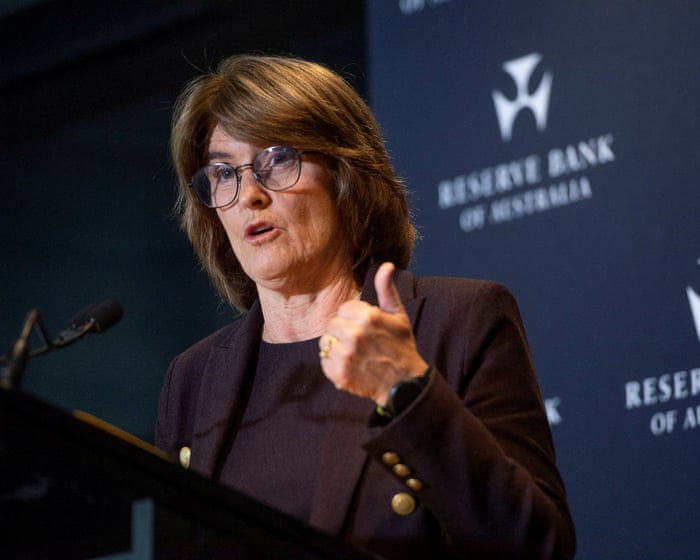
Australia's central bank, the Reserve Bank of Australia (RBA), raised its cash rate for the fifth time this year on 3 November, from 4.6% to 4.85%. The bank is trying to regain control of surging inflation, which is being fuelled by a global oil price shock stemming from the war in the Middle East. The cash rate is now at its highest level since 2008, and the move hits households with home loans.
The decision was widely expected after annual inflation rose to 4.3% in the year to September and senior bank officials had spoken firmly in recent days and weeks. The monetary policy board was divided: six members voted for a rise, while three wanted to keep the rate unchanged.
In its statement after the meeting, the board repeated that it will do what it considers necessary to bring inflation sustainably back to target. The statement made no explicit reference to possible further increases, suggesting the RBA is ready to wait and see how this year's five hikes play out.
Impact on households
The increase adds pressure on more than 3.3 million households with mortgages and on a federal government facing criticism over its economic management. According to Canstar, the latest rise lifts the monthly interest payment on a A$700,000 home loan by $107, bringing the total increase across this year's five hikes to $532.
Forecasts
The bank's latest forecasts show the cost of living crisis lasting another year. Inflation will keep rising through the end of 2026 and fall below 3% — the bank's 2–3% target range — only by the end of next year, about nine months later than hoped. Oil prices are expected to ease over the next 18 months but stay relatively high. The bank said risks to the inflation outlook remain skewed to the upside.
Economic growth is forecast at 1.6% this year and 1.3% in 2027, below an estimated potential rate of about 2%. Unemployment, now 4.7%, is projected to reach about 4.9% by the end of next year and exceed 5% in 2028. The bank's economists see no evidence of recession over the next two years. Its forecast for business investment growth in 2026 was nearly tripled to 12%, as the global artificial intelligence boom continues.


