Australia's inflation rises to 4.3% as government blames Middle East war
Australia's annual inflation accelerated from 4% to 4.3% in September, driven mainly by higher fuel costs. Treasurer Jim Chalmers points to external factors, but a poll suggests voters place more blame on government spending.
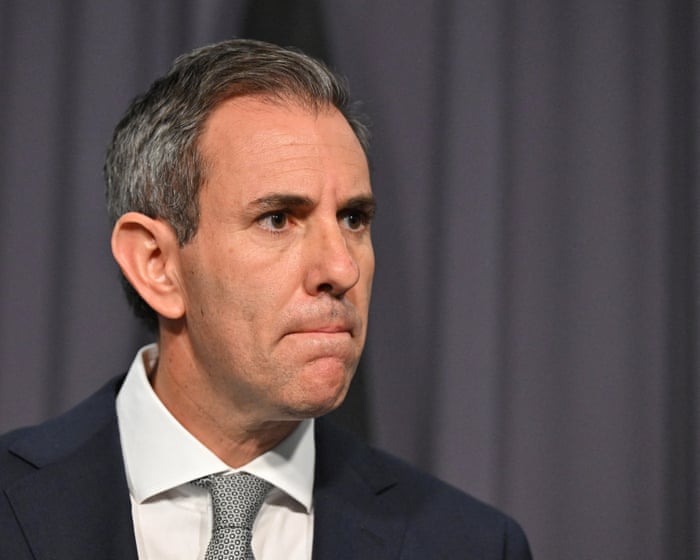
The Australian Bureau of Statistics reported that the country's annual inflation rate rose from 4% to 4.3% in September. The main driver was a 9.4% jump in fuel costs during the month. Petrol and diesel were on average 24% more expensive than a year earlier. Treasurer Jim Chalmers attributes the price surge to the escalating Middle East conflict, including the war on Iran that began in late February.
Impact of datacentres
Additional pressure comes from a sudden boom in datacentre spending, fuelled by the global rush of tech companies to build infrastructure for artificial intelligence. The economy was already struggling to supply enough workers and materials for building homes and roads.
Michele Bullock, governor of the Reserve Bank of Australia (RBA, the central bank), said overseas developments were complicating the effort to bring inflation back to 2.5%, preferably by the end of next year. The RBA's preferred measure of underlying inflation, which strips out the largest price moves, rose from 3.6% to 3.7% in the year to the September quarter.
Voter sentiment
In the Essential poll, nearly a third of voters named government spending as the main cause of rising living costs. Only 24% pointed to overseas events such as the global oil shock, and 19% to supermarket price gouging. Economists including budget analyst Chris Richardson argue that public spending is too high and does not help bring inflation down. Government expenditure as a share of the economy is around record highs.
Expected rate rise
Next Tuesday, Melbourne Cup day, the RBA is widely expected to raise interest rates for the fifth time this year. That would lift the cash rate to 4.85%, the highest since the global financial crisis. RBA chief economist Sarah Hunter said there were no signs the economy was in, or heading into, a recession in the near term. Unemployment recently reached a five-year high.
The Essential poll also found that 61% of Australians think the country is on the wrong track, while 25% think the opposite. Chalmers is due to deliver the mid-year budget update in December.


