New South Wales launches free legal service for sexual assault survivors
The New South Wales government has created a new free legal support service for sexual assault survivors after complaints that the court process can be isolating and retraumatising. The initiative is part of a wider state package aimed at improving justice responses to sexual violence.
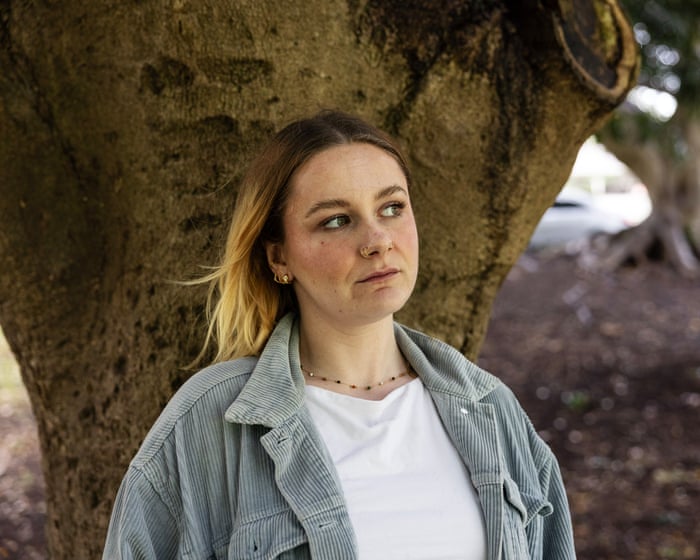
Shannon Stokes spent two years and 11 days pursuing a prosecution against her former boyfriend for sexual assault and domestic violence. The case ended with convictions on nine of 11 charges and a five-year prison sentence, but Stokes, 28, says the process left her feeling trapped in endless uncertainty. She described the legal system as alien and said the guidance she received beforehand amounted to little more than a pamphlet on how to appear presentable in court, plus a few pages handed to her moments before she walked into the courtroom.
Advocates say her experience is far from unusual. Sarah Rosenberg, who leads the survivor-led network With You We Can, argues that victim-survivors are typically forced to navigate an intricate legal process largely on their own, despite the case revolving around them. She notes that being reduced to a witness in an adversarial system can mirror the very dynamics of the abuse itself, compounding the original trauma.
In response to concerns like these, the New South Wales government this week announced the creation of the Sexual Assault Survivors' Legal Service, to be delivered through Legal Aid NSW. Backed by AU$1.74m in funding, the service will offer free advice on criminal proceedings, survivors' rights during police investigations and prosecutions, and help accessing victims' compensation. The only requirement to use it is having experienced a sexual assault. The program forms part of a broader AU$6.2m state package to strengthen responses to sexual violence, supported by federal funding.
Robyn Gilbert, the Legal Aid NSW solicitor who will head the service, said the goal is to give survivors more autonomy and a clearer understanding of their rights and role in proceedings. State minister Jodie Harrison and federal assistant minister Ged Kearney both acknowledged that navigating the justice system can overwhelm victim-survivors at an already difficult time. Stokes, reflecting on her own ordeal, said the drawn-out legal battle affected her more deeply than the assault itself, and hopes the new service will spare others a similar experience.