Former attorney general Robert McClelland to lead Australia's anti-corruption commission
Judge and former Labor attorney general Robert McClelland has been named the new head of Australia's National Anti-Corruption Commission. Christopher Savundra will serve as his deputy.
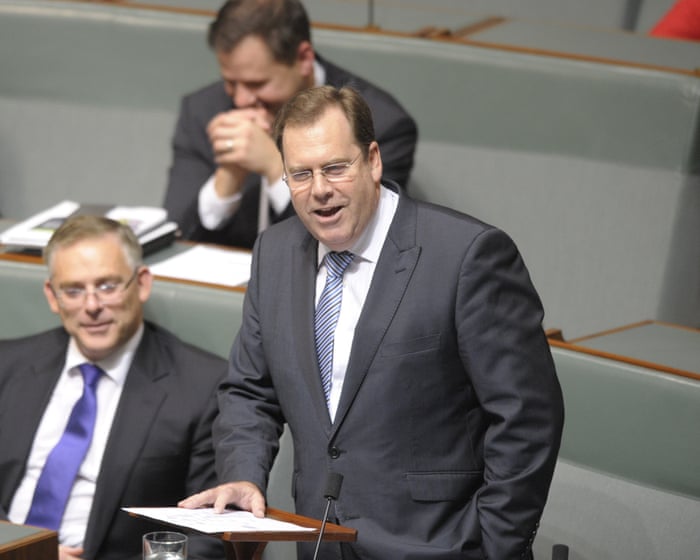
The Australian government announced on 19 October that Robert McClelland will lead the National Anti-Corruption Commission (NACC), the body that investigates corruption in the federal public sector. He is a deputy chief justice of the federal circuit and family court and a former Labor attorney general. Christopher Savundra has been appointed deputy commissioner.
The appointees
McClelland was the country's top law officer in Kevin Rudd's government from 2007 to 2011. Since 2018 he has been deputy chief justice of the federal circuit and family court, to which the Coalition appointed him in 2015.
Savundra is currently executive director of enforcement and compliance at the Australian Securities and Investments Commission (ASIC), the corporate regulator. Both will start five-year terms on 11 January.
Selection and approval
Attorney General Michelle Rowland said the candidates were chosen through an open, competitive and merit-based process. The parliamentary joint committee that oversees the commission also signed off on the appointments, as legislation requires. Rowland said both received unanimous support.
The selection panel included Katherine Jones, secretary of the attorney-general's department, former Federal Court judge Raymond Finkelstein, and Gina Cass-Gottlieb, head of the Australian Competition and Consumer Commission.
Predecessor's departure
Paul Brereton, the commission's first boss, quit in May, saying criticism of him was "drawing attention away" from the body's purpose. He had been criticised for doing consulting work for his previous employer, the inspector general of the Australian defence force, while serving as commissioner.
The commission was also heavily criticised over a 2024 decision not to investigate six people referred to it by the robodebt royal commission. It reversed that decision the following year.