Australian court rejects bid to prosecute King Charles III over alleged genocide
Australia's Court of Appeal has dismissed Aboriginal activist Robbie Thorpe's attempt to launch a private prosecution against King Charles III over alleged genocide against Indigenous Australians. Thorpe says he will now pursue the case at the International Criminal Court, though legal experts say the monarch's broad immunity makes that path unlikely to succeed.
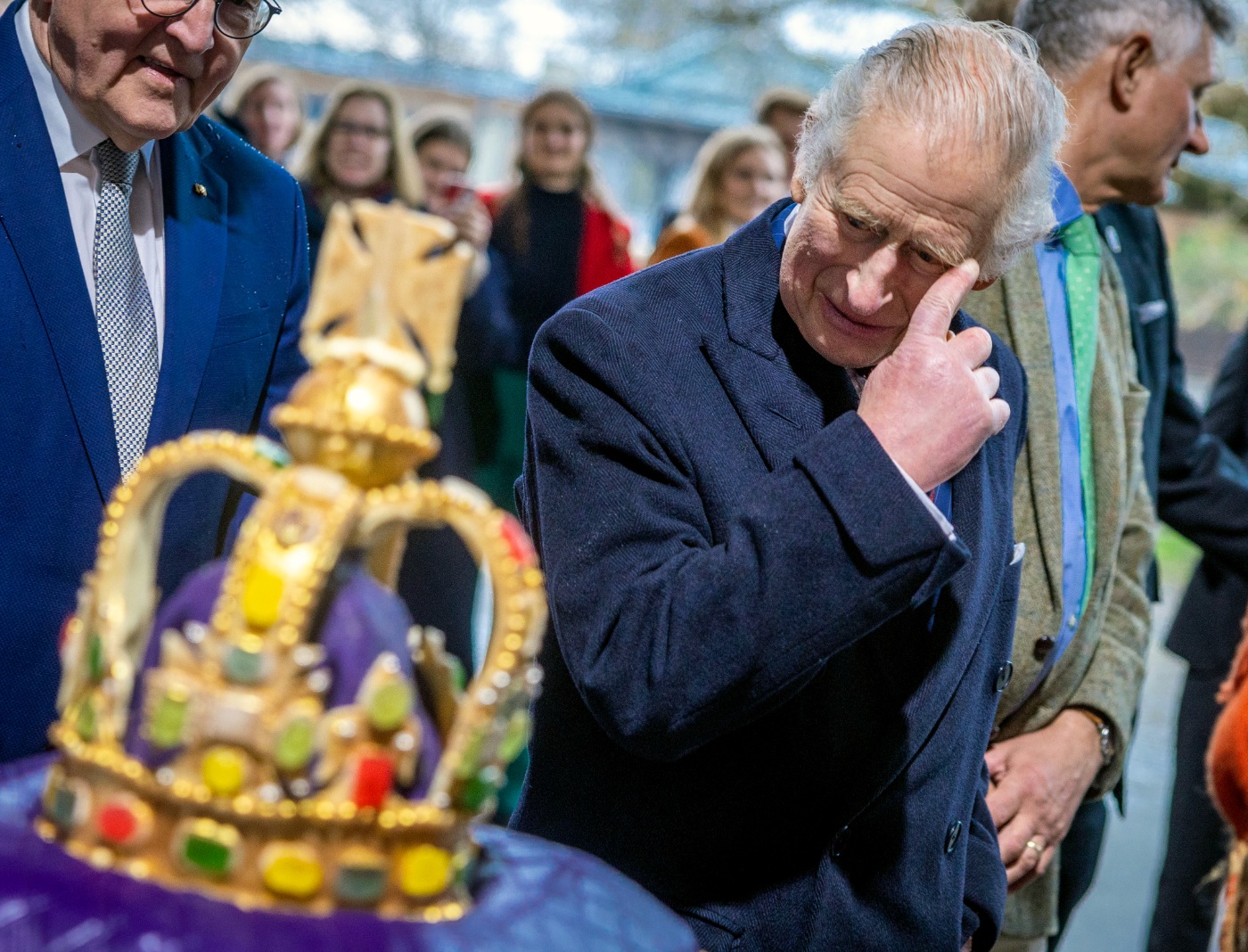
A three-judge panel of Australia's Court of Appeal has rejected an attempt by 68-year-old Krautatungalung elder Robbie Thorpe to bring a private criminal prosecution against King Charles III. It marks Thorpe's third court defeat since 2023, when he first filed his case at the Melbourne Magistrates' Court.
Thorpe's claim alleges that the King, as Australia's head of state, together with the government and state institutions, continues to uphold a system that disadvantages Indigenous Australians across numerous socioeconomic measures — including shorter life expectancy, poorer health outcomes, and higher rates of incarceration and unemployment. Indigenous people make up about 4% of Australia's population. Thorpe argues this amounts to ongoing genocide.
One last domestic option, then The Hague
Monday's ruling leaves Thorpe one remaining avenue within Australia: seeking leave to appeal to the High Court of Australia, which accepts only around 10% of such applications. Thorpe said he does not expect a fair hearing in Australian courts and, once domestic options are exhausted, intends to bring charges against the monarch before the International Criminal Court in the Netherlands.
Monarch shielded by broad immunity
Anne Twomey, a constitutional law expert at the University of Sydney, explained that the British monarch enjoys immunity from criminal and civil liability that is broader than that of a US president, since it extends even to personal actions taken outside official duties. This common-law immunity has likely been inherited by Australia as a former British colony, though Twomey noted she is unaware of any case where it has actually been tested in an Australian court.
While the International Criminal Court does not recognize head-of-state immunity and has jurisdiction over genocide allegations, a private individual like Thorpe cannot initiate proceedings there on his own, unlike in a lower domestic court. A case could be referred to the ICC by the UN Security Council, but Don Rothwell, an international law expert at the Australian National University, said Britain would likely veto any such move against Charles.