Austrian insect farming firm REPLOID moves to acquire US company Chapul for about $12 million
Austrian insect-rearing technology company REPLOID has signed a nonbinding term sheet to acquire US-based Chapul Farms for roughly $12 million. The deal could speed up construction of a commercial-scale black soldier fly larvae facility in Oregon.
Austrian insect-rearing technology company REPLOID has signed a nonbinding term sheet to acquire US-based Chapul Farms for approximately $12 million. If completed, the deal could accelerate plans for a commercial-scale black soldier fly larvae (BSFL) facility in McMinnville, Oregon. Such a facility converts food waste into larvae, which are used to produce protein, fat and fertilizer.
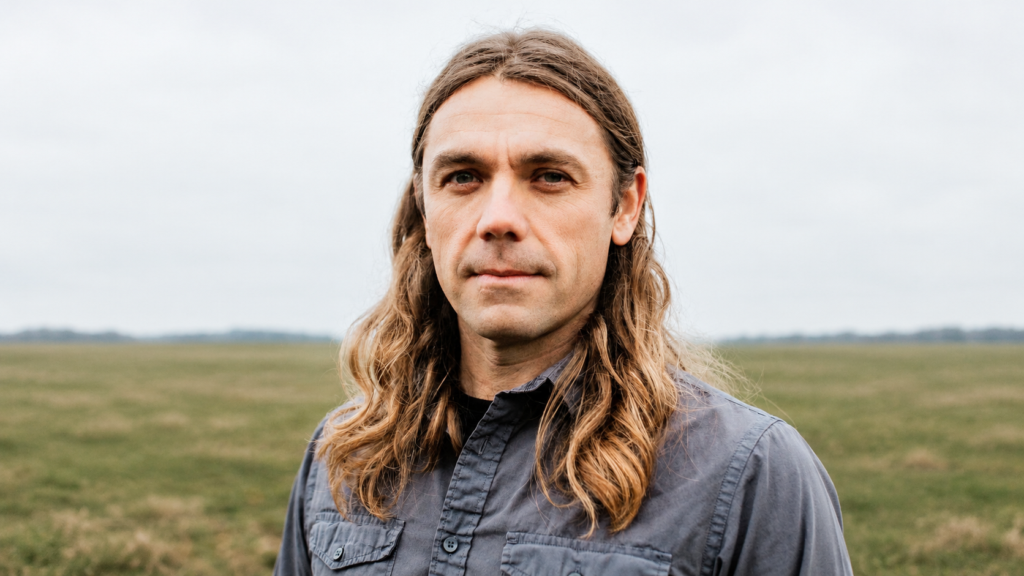
Under the proposed terms, REPLOID would acquire 100% of Chapul for a combination of cash, newly issued shares and warrants. The agreement includes a 90-day exclusivity period for due diligence. Chapul founder Pat Crowley told AgFunderNews the deal is still at a preliminary stage. REPLOID is publicly traded, so it was required to announce the signing of the term sheet.
What REPLOID brings
Founded in Austria in 2020, REPLOID develops modular insect-rearing units called ReFarmUnits, which turn organic byproducts from the food industry into larvae, protein, fat and frass fertilizer (frass is insect waste). The units are installed at customer sites, while the more complex breeding and downstream processing are centralized. The company has also invested in animal feed, pet food and fertilizer brands. It has been listed on the Vienna Stock Exchange since July 2025. Its revenue reached €37.9 million in 2025, up from €5.1 million in 2024, and it has 190 employees. The company calls North America a strategic growth market.
Chapul's changing plans
Crowley said the aim of the deal is for the McMinnville site to become a Pacific Northwest hub, built at full size from the start rather than in phases as previously planned. Earlier this year, Chapul paused plans for a large BSFL facility next to a corn ethanol plant in North Dakota after failing to secure a lead equity investor. It instead prioritized a smaller project at a former plastics plant in Oregon. Crowley said the North Dakota project has been paused, not abandoned.
Crowley also noted that access to capital for insect farming in the US remains difficult after several high-profile setbacks in the sector, and that the outcome of the deal is not guaranteed.