Carmakers Ditch Android Auto: Data Control and Subscription Fees Behind the Shift
Major automakers, including General Motors, are abandoning Android Auto for proprietary systems to retain user data and unlock subscription revenue, with some like Rivian and Tesla never adopting the platform.
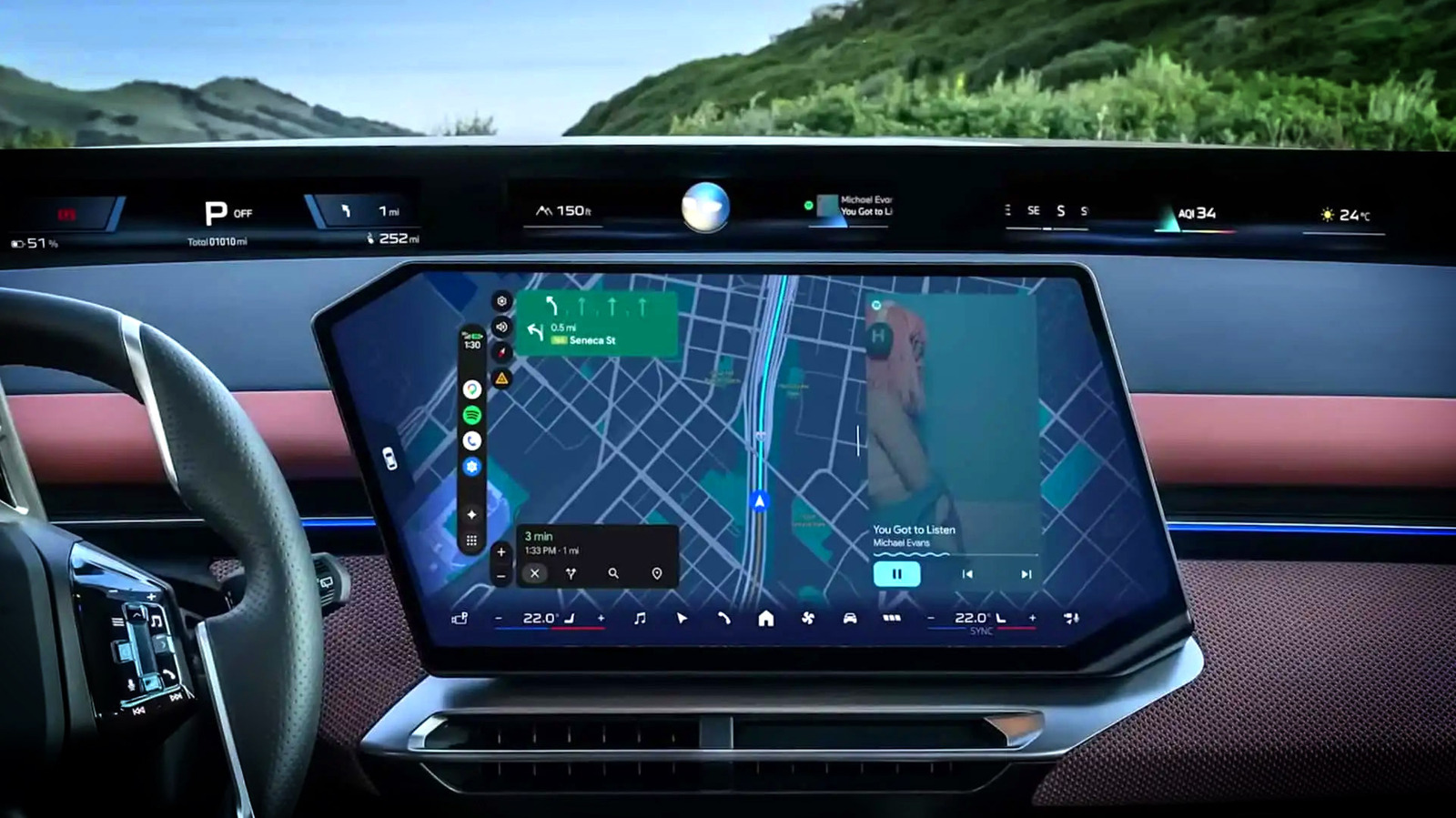
Since 2015, Android Auto and Apple CarPlay have been a key selling point for new cars, but several major manufacturers are now moving away from the technology. General Motors announced it will drop Android Auto from its EVs and plans to eliminate it from all vehicles soon, replacing it with a conversational system powered by Google's Gemini AI. Other companies like Rivian and Tesla never adopted Android Auto, citing a desire for full control over the driver experience. Rivian, whose system is built on Android Automotive OS, argues that modern AI makes phone mirroring unnecessary.
The primary drivers are data ownership and subscription revenue. While Google provides Android Auto for free, it collects user data—including GPS and mapping info—for advertising purposes. Carmakers want that data for themselves to improve vehicle services and retain customers. GM, for instance, believes its own system will enable intelligent EV routing and better integration with its Super Cruise driver assistant. Additionally, built-in apps require active cellular connections, opening the door for subscription models. Rivian already charges $150 per year for its premium data service, and GM's latest vehicles come with eight years of OnStar connectivity—though post-expiration costs remain unclear.
Consumer backlash could pose a challenge. GM's decision sparked strong negative reactions, with many buyers vowing to avoid cars lacking Android Auto. However, most 2026 models still support the system, and its widespread adoption may slow the transition. Traditional automakers have historically struggled with in-house infotainment software, so the fate of Android Auto's replacement depends on whether they can deliver a compelling alternative.