Your dash cam might break state laws in the US — here's how to stay legal
Dash cams are legal in all US states, but placement, size, and audio recording rules vary widely, so travelers need to check local regulations.
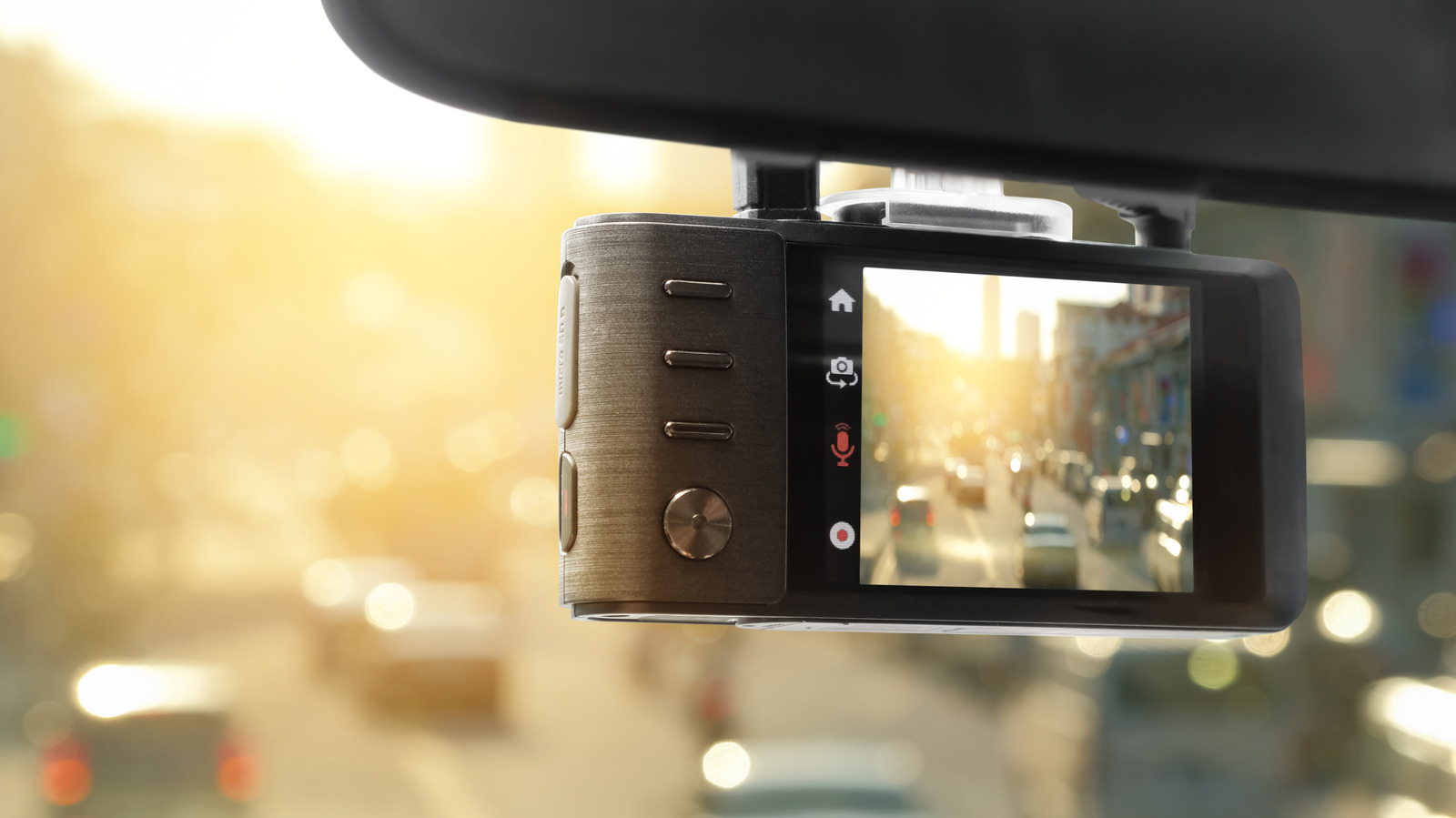
Before hitting the road for a long trip across the United States, it's wise to ensure your car's dash cam doesn't accidentally put you on the wrong side of the law. While these devices are legal in every state, each one has its own rules about where you can mount them, how big they can be, and whether you can record audio.
One of the most common requirements is that the dash cam must not obstruct the driver's view. This is explicitly stated in Alaska, Arizona, California, Florida, Hawaii, Illinois, Indiana, Iowa, Kansas, Kentucky, Maine, Maryland, Missouri, Nevada, North Carolina, Utah, and Vermont. Some states go further. In California, for instance, the camera must be mounted within a seven-inch square in the lower corner of the windshield away from the driver, a five-inch square in the corner closest to the driver, or a five-inch square in the upper center. Illinois requires placement in the bottom corner on the passenger side.
In states like Alabama, Delaware, and Louisiana, mounting a dash cam on the windshield is entirely prohibited. Pennsylvania and Minnesota ban any device attached to the windshield, meaning the camera must sit on the dashboard. Size limits are also common: most states cap dash cams at five inches. Hawaii allows larger devices up to seven inches, while Indiana limits them to four square inches.
Audio recording is another legal minefield. In 13 states—California, Delaware, Florida, Illinois, Maryland, Massachusetts, Michigan, Montana, Nevada, New Hampshire, Oregon, Pennsylvania, and Washington—you cannot record conversations inside a vehicle unless every passenger consents. In other states like New York, video recording is fine, but audio requires at least one party's consent. This may not matter for family trips, but it's crucial for carpooling or ride-share driving.
Since there's no federal rule, the safest approach is to follow the strictest regulations, using California as a benchmark. Choose a compact 4- or 5-inch model, consider mounting it on the dashboard or behind the rearview mirror, and check the DMV website for every state on your route. If needed, disable audio recording or clearly inform passengers that they are being recorded. With a bit of preparation, you can use your dash cam without worry.