Off-Grid Solar at a Homestead: Engineer's Experience After Three Years
Engineer Aivis has run a fully autonomous solar system on a property without a grid connection for three years. He shares lessons on batteries, bills and panel placement.
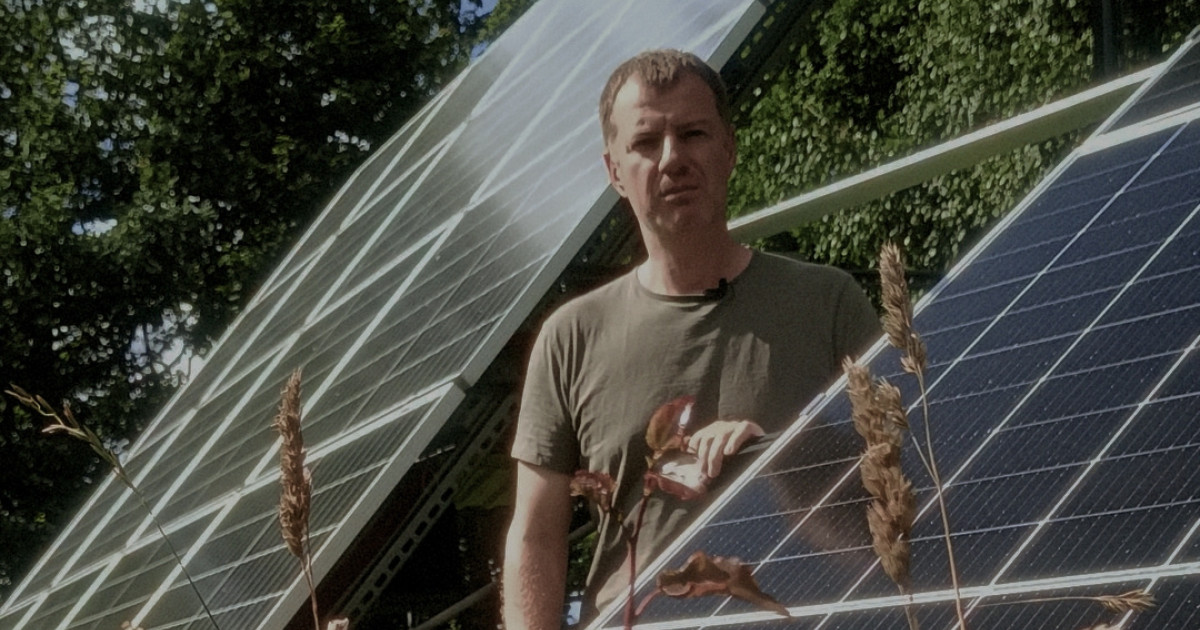
In Latvia, not every sauna, garden cabin or timber-frame house has an electricity connection, and installing one can be expensive. Engineer Aivis solved the problem with a fully autonomous solar system that has now run for three years. His experience is relevant to households considering panels and batteries to cut electricity bills and stay protected from power outages.
How the system is built
The setup has six Trina Solar 400-watt panels, an off-grid inverter (a unit not connected to the grid), four 12-volt gel batteries and a simple petrol generator as backup. The inverter cannot feed power into the grid, so everything produced stays with the owner. Inside, it is a typical 48-volt Chinese design. According to Aivis, sellers usually stay quiet about three things: a complicated settings menu, a narrow panel voltage range and a warranty of only two years.
When choosing panels, he advises looking at power, size and bypass diodes, which stop a shaded part of a panel from reducing the output of the whole string.
He picked gel batteries because they tolerate cold, are fireproof and relatively cheap. However, under loads above 2 kW they wear out quickly, so he connected four more in parallel to halve the load on each. This autumn he plans to replace them with models that have heating and work down to minus 20 degrees.
Bills and home batteries
Bill size depends largely on consumption and how well a house is insulated. Those who installed panels more than two or three years ago have net metering, while newer contracts use exchange prices. The distribution grid has four cheaper hours at night and four during the day, at around 6 cents. Charging a battery then can bring the average price down to 7–8 cents per kilowatt-hour.
A battery should cover at least half of daily consumption. For a household using 30 kWh a day that means about 16 kWh, while a 60 kWh battery costs around 8,000 euros plus VAT. Aivis's system worked normally for five days without grid power.
Panel lifespan
Manufacturers usually give a 30-year warranty; after 20–30 years a panel should retain about 80% of its output. Cleaning is unnecessary, as the difference is only around 5–10 percent. Because of exchange prices, east- and west-facing panels are worth considering. Disposal costs about 3 euros per panel.