White House teleprompter operator accused of making nearly $100,000 from bets on Trump's speeches
A White House teleprompter operator is under investigation for allegedly using inside information to place bets on words used by President Donald Trump in speeches, earning nearly $100,000.
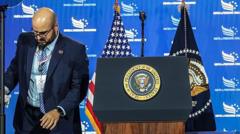
A White House teleprompter operator, Gabriel Perez, is being investigated for allegedly using inside information to place bets and earn nearly $100,000 on President Donald Trump's speeches. Perez, who had worked at the White House since 2016, is accused of betting on words the president would use during major public addresses, including the State of the Union speech.
The trades were made on Kalshi, a prediction markets platform where users can bet on real-world events. The firm confirmed it reported the activity to the Commodity Futures Trading Commission (CFTC), which regulates the platform. Kalshi froze Perez's account before any profits could be withdrawn, according to reports.
The platform told the BBC that its analysts noticed unusual betting on "mention markets" - contracts where users predict whether a speaker will use common terms, such as specific countries, economic words, or campaign slogans, in March. "The words of political leaders like Presidents and Fed chairs cause billions of dollars of movement in FX markets, oil futures, [and] the stock market," Kalshi said.
Using account data, the company found the user was a federal employee operating White House teleprompters. The exchange froze more than $90,000 before it could be withdrawn. Robert DeNault, Kalshi's head of enforcement, said the firm flagged the trades and had handed evidence to regulators.
White House press secretary Karoline Leavitt said President Trump was aware of the teleprompter operator and that staffer was now on unpaid leave, before adding Perez would no longer work at the White House. The story, first reported by ABC News, has been confirmed by the BBC's US partner, CBS News. Sources said Perez has been "fully cooperative" with the CFTC. ABC said federal prosecutors in Manhattan declined to open a criminal case. When contacted by the BBC to confirm it was investigating, the CFTC said it could not "confirm or deny" any probe.