Bayer and Brazil's IdeeLab Team Up to Develop Biofungicides
Agriculture group Bayer and Brazilian biotech company IdeeLab have launched a 12-month R&D partnership to develop biological fungicides. The aim is to give Brazilian farmers new crop protection options.
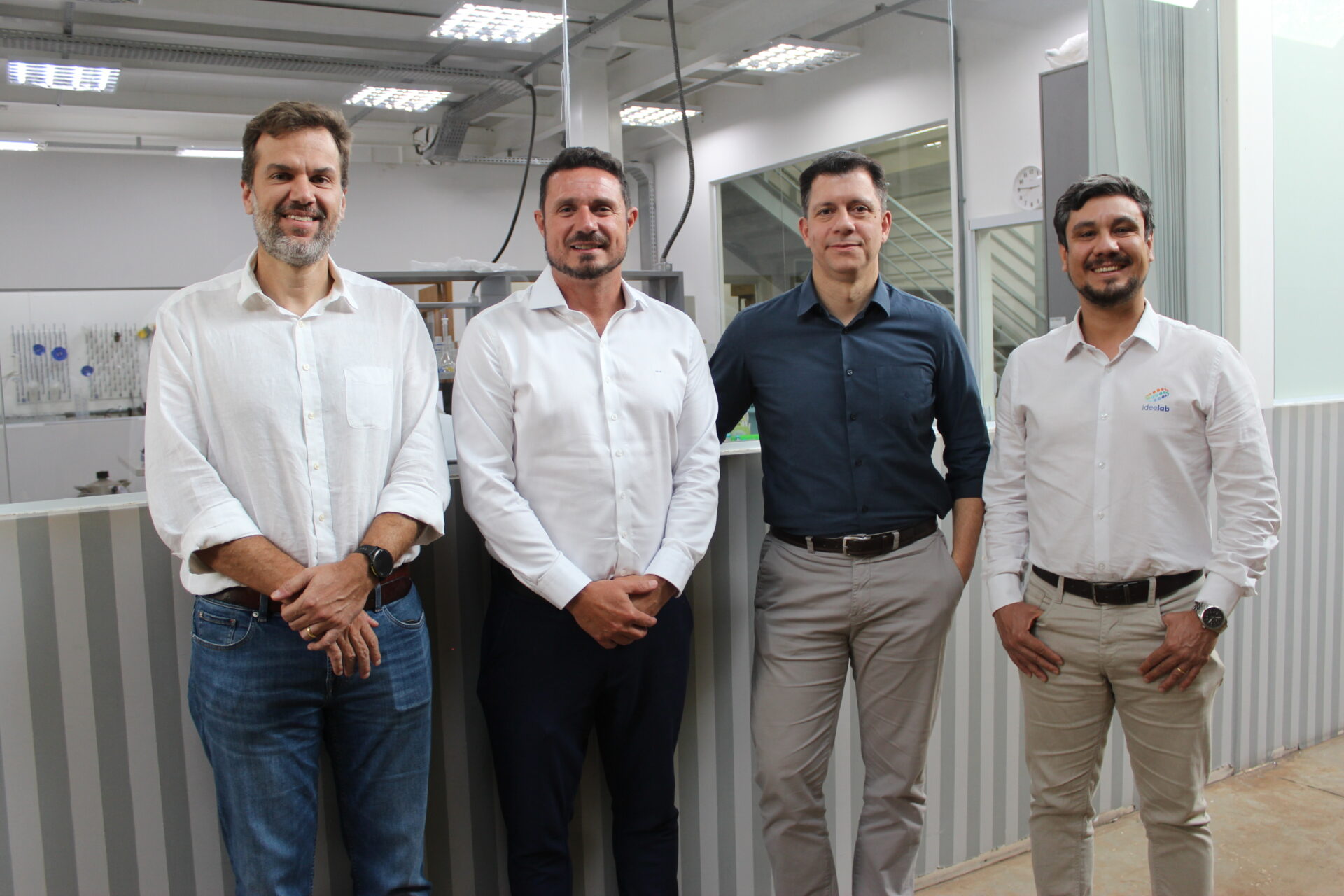
Bayer, the global agriculture and crop protection company, and IdeeLab, a Brazilian biotech firm, have agreed a 12-month research and development partnership. Its goal is to create biology-based crop protection products, chiefly biofungicides aimed at fungal diseases affecting Brazilian farms. The news came in the same week that Bayer said it would launch 17 new biological products in Latin America by 2030.
The problems to be tackled
The companies have not yet named the pathogens they are targeting. Brazil's key crops face several fungal threats: Asian soybean rust, white mold and target spot reduce soybean yields; witches' broom disease affects cassava; and coffee is vulnerable to leaf rust, brown eye spot and target spot. As elsewhere in the world, Brazilian growers also face rising resistance to commonly used fungicides, which means more frequent applications and higher production costs.
Benoit Hartmann, insights, innovation and partnerships lead at Bayer's Crop Science division, says growers need more and better options, and that biologicals complement the crop protection toolkit.
IdeeLab's role
IdeeLab is a contract development and manufacturing organization (CDMO) that helps other companies develop, test and commercialize agricultural biological products. Founder and CEO Ronaldo Dalio says it has more than 30 products on the market and works with more than 60 partners, including Syngenta and ICL. Its differentiator is an exclusive microbial collection selected for the biologicals market and for tropical pests and diseases.
In the partnership, IdeeLab will contribute bioprocess engineering expertise to determine qualities such as efficacy and shelf life. Bayer, which has operated in Brazil for more than a century, will receive new candidate products, three of which are already in field trials in Brazil.
What comes next
The companies have not specified which crops they will target first. After the 12-month period they plan to present results and hope to commercialize a product. Dalio says the work will go on, including registration and further field trials, and that the two firms are already discussing possible future projects.