Burnham's run of pledges: UK prime minister bets on 'everyday fixes'
UK Prime Minister Andy Burnham has announced a string of small measures aimed at everyday annoyances. The opposition calls it unserious, while a pollster considers the strategy effective.
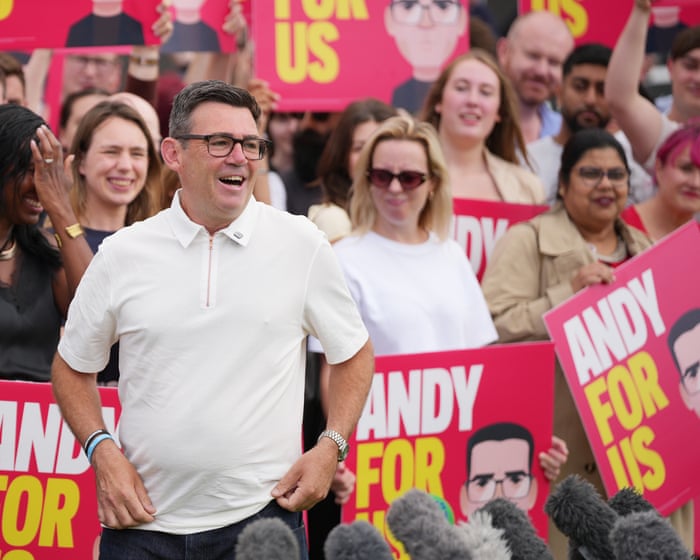
UK Prime Minister Andy Burnham, who leads the Labour government, has spent the past week announcing further measures aimed at easing everyday frustrations. This "everyday fixes" approach has become the most visible line of his government's politics, and its prospects are now the subject of debate in Britain.
What has been announced
Over the past week Burnham pledged to clamp down on people playing loud video and music on public transport without headphones, to outlaw excessive private car park fines, and to repair potholes on 7,000 miles of England's roads. Earlier the government announced removing VAT from electricity bills, a £2 cap on single bus fares across England and action on auto-renewing subscriptions. Further promises include limiting pricey branded school uniforms, restricting vape and betting shops, and stopping airlines charging families to sit together.
How it came about
Government sources say the approach was a central strategy from Burnham's first day in office. His close ally Louise Haigh, the first secretary of state, was tasked with setting up taskforces in three areas: cost of living, public control and regeneration. Ideas are passed between the cost of living taskforce in the Cabinet Office and the policy unit in No 10, with all departments encouraged to contribute.
Criticism and support
Reform UK's Robert Jenrick and Conservative leader Kemi Badenoch have dismissed the measures as unserious. Badenoch noted that interest payments exceed spending on schools, the army and the police combined. Burnham replied that he would not apologise for doing small things that help people have better lives.
Pollster Luke Tryl of the research group More in Common considers the strategy canny. In polling, 45% said Burnham understood the pressure of high energy bills on ordinary people, against 23% for former prime minister Keir Starmer. Ed Shackle of consultancy Public First Global warns that any popularity boost could vanish quickly if a serious crisis arises. Insiders also point to a longer-term 10-year plan for bigger structural issues.