Burnham hints at tax changes as he eyes prime minister role
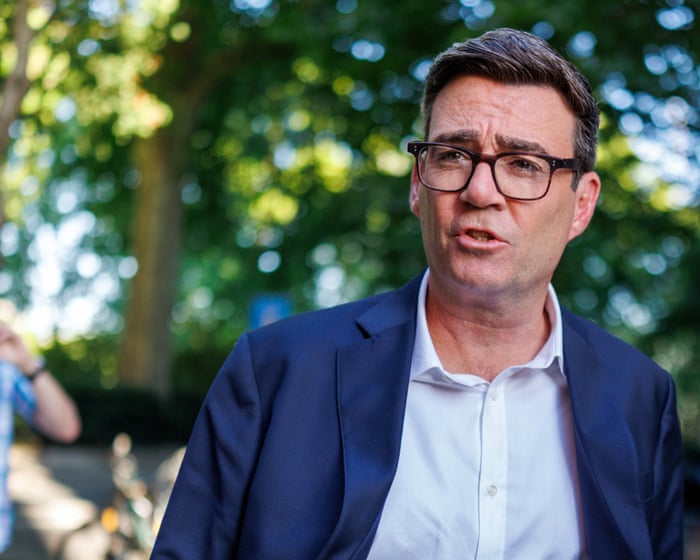
Andy Burnham, the leading contender to replace Keir Starmer as UK prime minister, said in his first interview since becoming an MP that there is room in the Labour manifesto for tax adjustments, particularly raising business rates on warehouses to cut them for high street businesses.
Tax proposals and high street revival
Andy Burnham, widely seen as the frontrunner to succeed Prime Minister Keir Starmer, gave his first interview since being elected MP for Makerfield. Speaking to LBC, he said there is "some room" in the Labour manifesto for "movement on tax." While reaffirming his commitment to the manifesto's promises not to raise income tax, VAT, or national insurance contributions, he suggested flexibility for other taxes.
Specifically, he proposed higher business rates on warehouses and large developments on the outskirts of cities. This, he argued, would allow a 20% cut in business rates for pubs and lift some high street businesses out of the tax altogether. Burnham emphasized rewarding businesses that "bring social benefit and bring people together," listing bars, restaurants, coffee shops, and hairdressers.
He also promised to ease the cost of living if he becomes prime minister, including looking at reducing water and energy costs by de-privatising companies and making bus travel free for 16- to 18-year-olds.
Reddit AMA and other topics
Burnham is expected to participate in an "Ask Me Anything" (AMA) session on Reddit's r/UKPolitics subreddit at 5pm today. Users have already submitted questions, including whether he would scrap the state pension triple lock, how to "re-instil hope," his views on the future relationship with the US, and his favourite flavour of crisps.
Other news: infrastructure cuts and jobs
An analysis shows that Starmer's decision to cut billions in infrastructure spending to fund defence could cost the UK 10,000 jobs. Researchers at the Transition Security Project found that while extra defence investment will generate about 10,000 jobs by 2029-30, taking money from other sectors will destroy nearly twice that number.