Free school lunches for older students too? How it works in Riga and Liepāja
While pupils in grades 1–4 across Latvia get free school lunches, support for older students varies by municipality — in Liepāja some families can get a full or partial discount, while in Riga no such option currently exists.
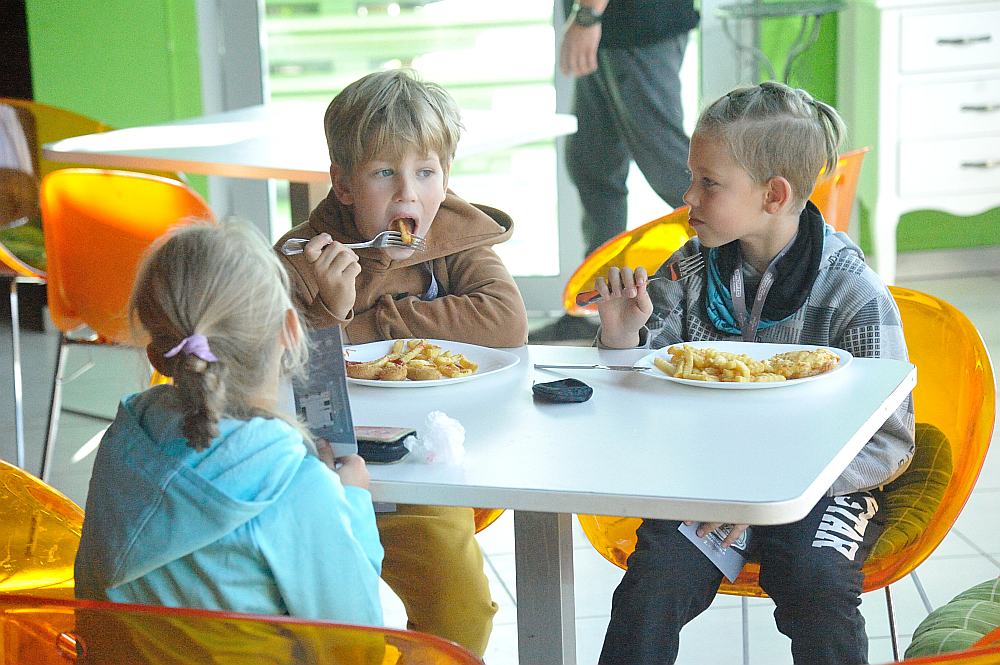
As the new school year begins, parents are again asking how much school lunches actually cost and who pays for them. While lunches for grades 1–4 are free nationwide, support for older students depends on the municipality.
In Riga, older students' families pay in full
In Riga, the maximum lunch price for grades 1–4 is €3.09 per day, split roughly evenly between the state and the municipality; the actual procured price is usually a bit lower, around €2.78. For grades 5–12, which don't qualify for subsidies, parents cover the full cost themselves. The Riga municipality says prices are set through procurement and have stayed unchanged for five years. Last year, Riga spent more than €13.2 million on school meals.
In Liepāja, some older students eat for free
In Liepāja, the price for younger grades is also €3.09, while for grades 5–12 it is €3.70 per day. However, certain groups of students qualify for discounts: full coverage goes to students with disabilities, those in special education programs, children in foster or institutional care, students from families with four or more children, and those from households with low-income or needy status. A 50% discount applies to students from families with three children.
Last school year, an average of 597 older students per month received full coverage in Liepāja, and 610 received the 50% discount. Overall, the municipality spent more than €1.28 million on school meals last year.
Prices are stable, but total costs are rising
Both Riga and Liepāja report that lunch prices themselves have not increased over the past year. However, total municipal spending can still rise if more students become eligible for discounts — which is happening in Liepāja this year following changes to local regulations. All schools must plan menus according to national nutrition standards, and both municipalities stress the importance of the origin and quality of the food used.