Bosnia's election fails to break ethnic deadlock as Dodik's grip holds
Bosnia and Herzegovina's October 4 elections failed to overcome the country's ethnic political divide, with Milorad Dodik's party retaining dominance in the Serb-run entity, further stalling the path toward EU membership.
Bosnia and Herzegovina held wide-ranging elections on October 4, choosing three members of the state presidency, two vice-presidents, speakers of three parliaments, and more than 500 lawmakers. New electoral reforms introduced biometric voter identification, digital ballot scanners, and electronic voter registries, raising hopes for a more transparent process.
Yet the country's political system, built on the Dayton Agreement, remains divided along three constitutional peoples — Bosniaks, Serbs, and Croats — each electing one member to the collective presidency.
A split presidency
Denis Bećirović, representing a pro-European, civic-minded coalition that supports Ukraine and views Russia as a threat to Bosnia, was re-elected as the Bosniak presidency member. In a surprising result, Croat voters elected Darijana Filipović of the Croatian Democratic Union, backed by Croatian Prime Minister Andrej Plenković. While her foreign policy stance aligns with Bećirović's, domestically she has not ruled out creating a third, Croat-run entity — an idea that could enable tactical alliances with Serb separatists.
Dodik's influence persists
For the Serb people, Željka Cvijanović — a longtime ally of Milorad Dodik — was re-elected to the presidency. She supports Russia's aggression against Ukraine, opposes Bosnia joining NATO, and attended the funeral of convicted war criminal Ratko Mladić. Her victory means the presidency, which operates by consensus among all three members, will likely remain gridlocked.
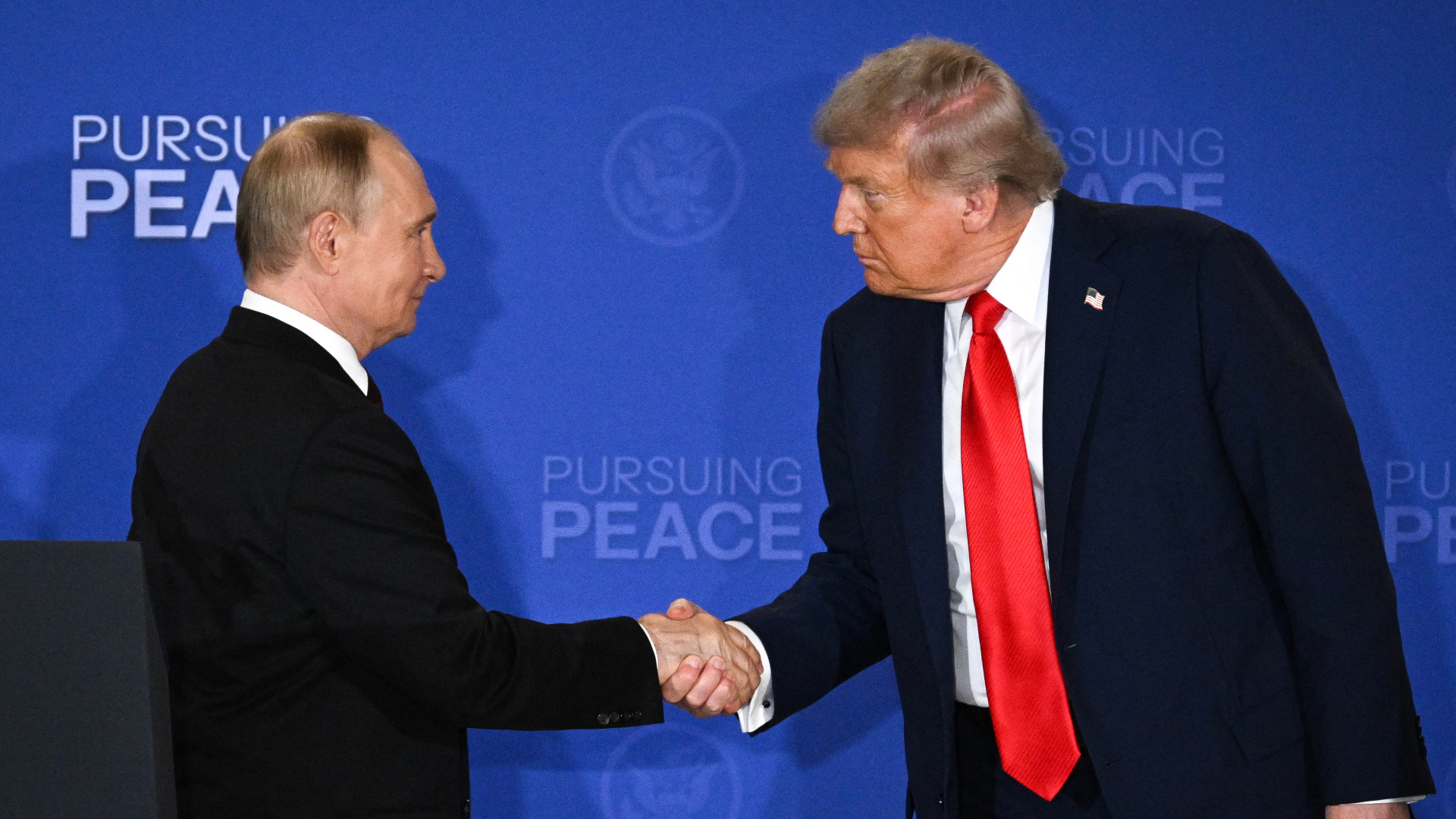
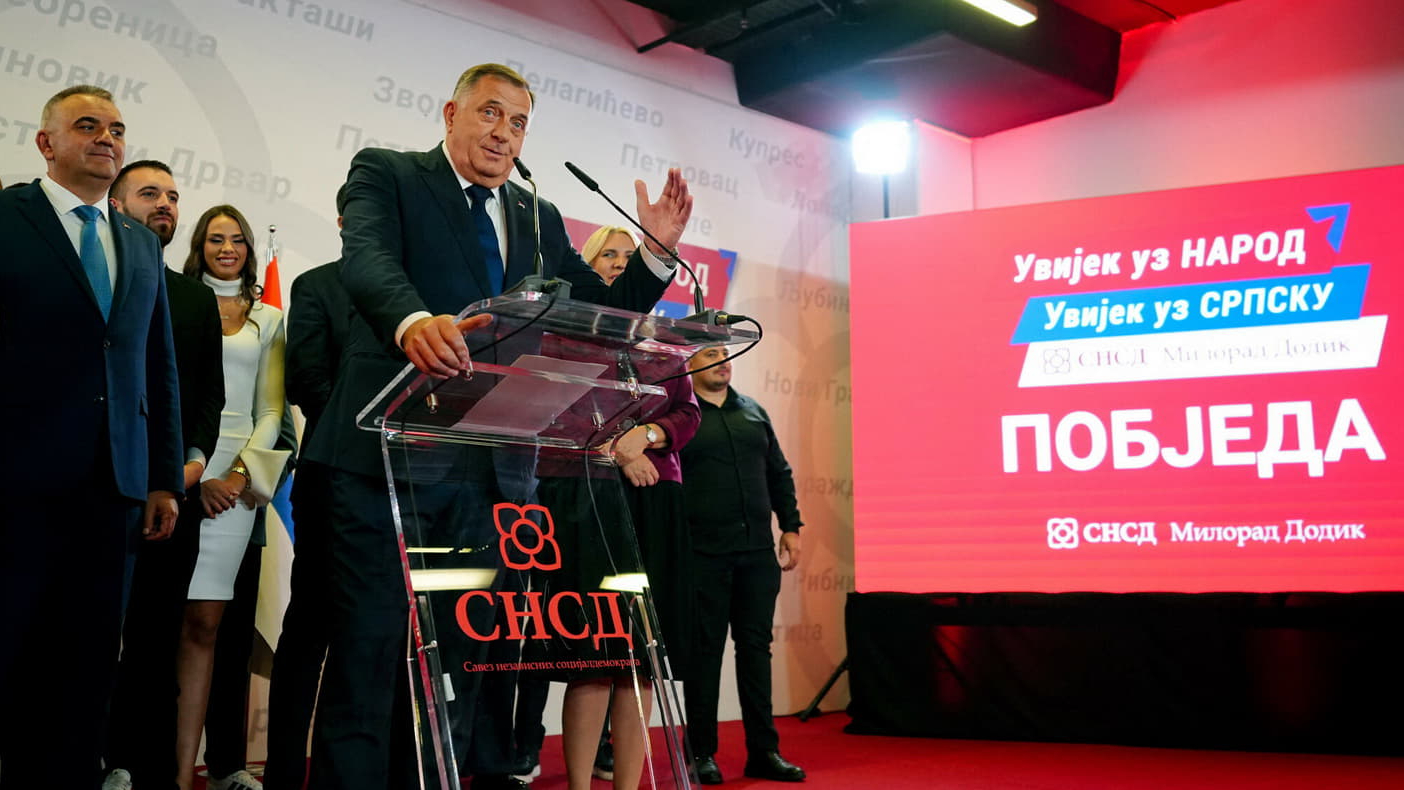
Dodik himself, barred from political office for six and a half years, did not formally run but remained the campaign's most active figure. His party won 39% of the vote in the Republika Srpska parliament, securing 34 of 83 seats — five more than before. Five days before the vote, Dodik met Vladimir Putin in Moscow, and Russian observers, many linked to the military and security services, arrived to monitor the Republika Srpska vote. After the win, Dodik thanked both Putin and US President Donald Trump, who lifted sanctions on him and his family last year. Dodik has already announced plans to push for a separate army, border police, and intelligence service for Republika Srpska.