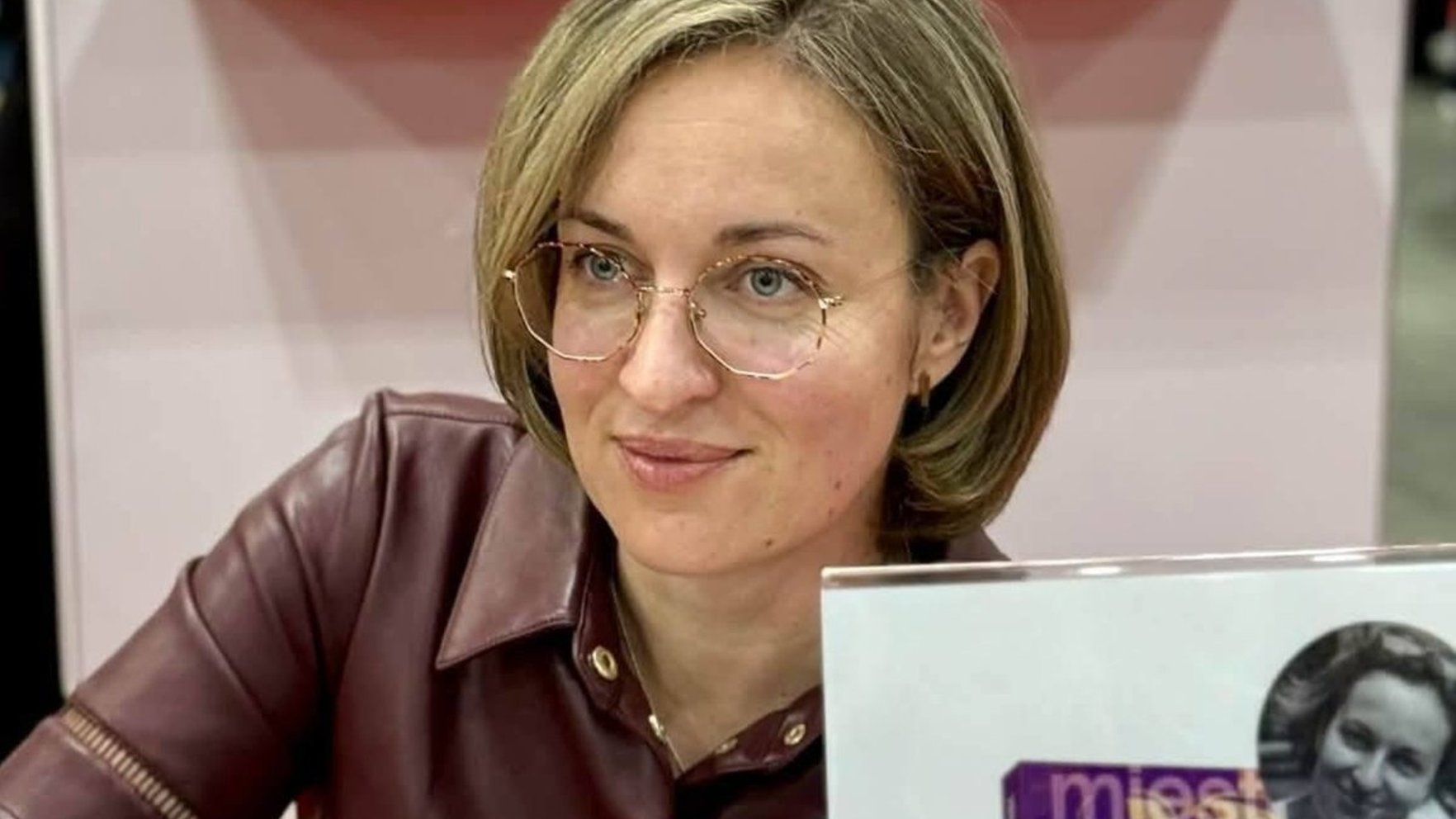
Former director: Estonian president's office must preserve institutional memory
Former Office of the President director Siim Raie warns that cutting experienced staff ahead of Estonia's presidential transition could leave the new head of state without adequate support. Thirteen people have been laid off from the office since its leadership changed, including two protocol advisers with 19 and 26 years of service.

Siim Raie, former director of Estonia's Office of the President, has voiced concern in an interview with ERR about recent staff cuts at Kadriorg, stressing that institutional memory and experienced personnel are especially important during a change of head of state.
It emerged last Friday that 13 people have been laid off from the Office of the President since its leadership changed. Friday also marked the final working day for two protocol advisers, one with 26 years of service and the other with nearly 19. Current director Krista Zibo has said the cuts are needed to save money and make the office's work more efficient, adding that two of the office's four protocol staff were let go and will not be replaced.
Raie explained that the Office of the President ultimately serves the president rather than its director, who manages the team administratively while the head of state makes the key decisions. He described the institution's work as split between statutory duties — such as foreign relations, awarding state decorations and legal work tied to legislation — and the president's own vision for shaping the country.
Raie said his main concern is the timing of the layoffs, coming just days before the presidential transition. The incoming president is likely to travel abroad and receive foreign guests from the very first day in office, meaning the Office of the President needs to be fully capable of providing support. Many of the office's duties, including protocol work, cannot be learned in school and are acquired only through experience, he noted.
According to Raie, advisers typically change with each new president, but permanent civil servants do not necessarily have to — some have served at the office since 1991 and worked under every Estonian president since. He said he hopes the incoming president will be supported by experienced staff rather than by people taking their own first steps in the role at the same time as the new head of state.