Former Latvian Armed Forces commander: country is not ready for crises after storm chaos
Former National Armed Forces commander Juris Maklakovs sharply criticized Latvia's response to the August 22 storm, citing a lack of coordination, resources and public information. He recalled that identical shortcomings were flagged after a 2008 storm, yet nothing has changed in 18 years.
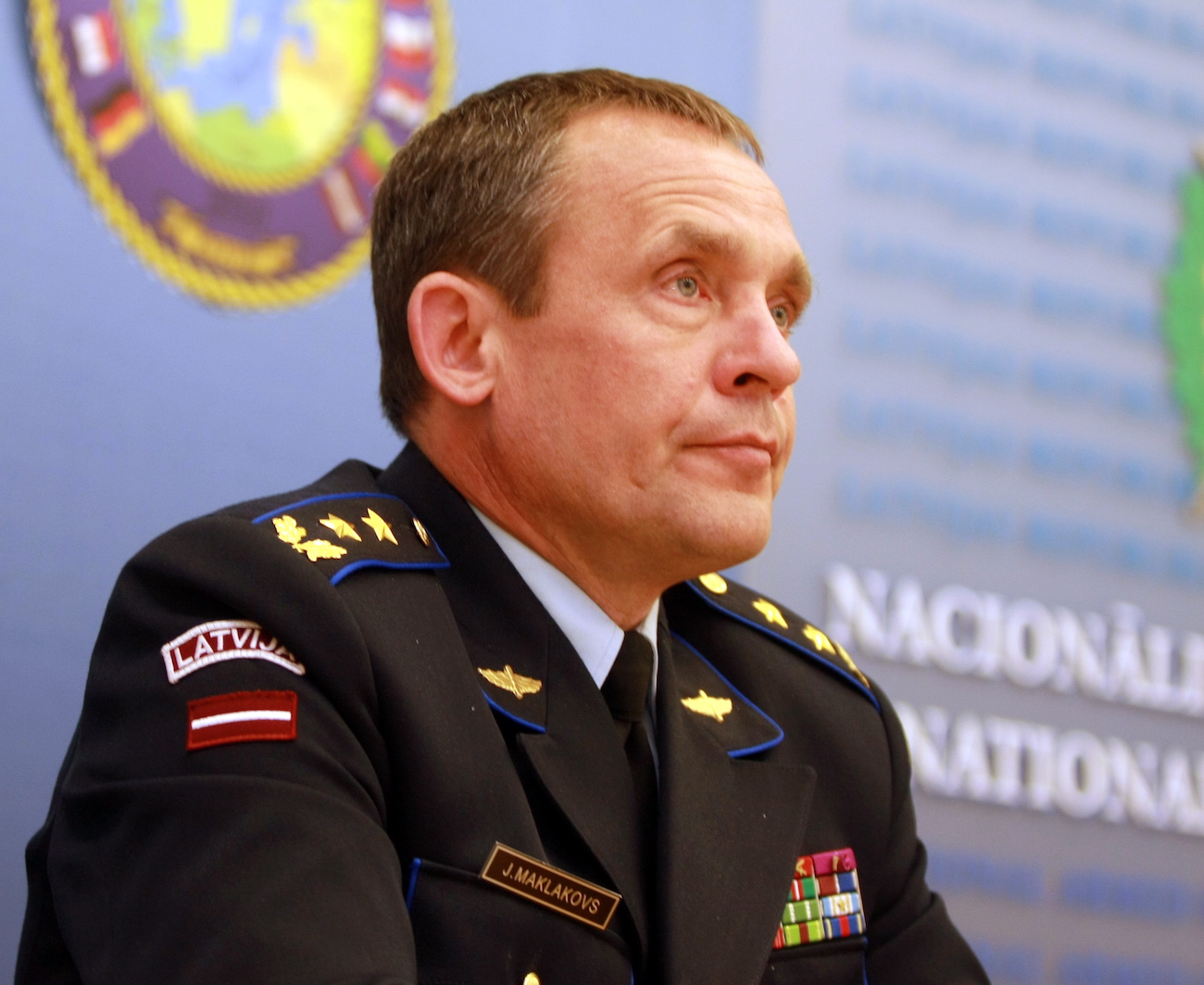
Former commander of Latvia's National Armed Forces (NBS), Juris Maklakovs, has delivered a harsh assessment of the country's crisis readiness following the storm that hit on August 22. In his view, the response lacked systematic, coordinated leadership — emergency services such as medics and firefighters worked hard, but not as part of a unified system directed by the prime minister or another official responsible for setting priorities and allocating resources to the most critical needs.
Media criticism misplaced
Maklakovs pushed back against recent criticism of Latvia's public broadcaster, arguing that information about the unfolding situation should have come from a crisis management centre rather than being left to individual journalists to figure out on their own.
Generators missing at critical infrastructure
He said he was surprised that vaccines were damaged because medical facilities lacked power to keep refrigerators running, and was similarly taken aback by mobile network outages, expecting cell towers to have backup power systems. He called for those in charge of crisis management to review all such gaps and ensure generators are available for medical institutions, mobile operators and fuel stations. He described it as unacceptable that around 11,000 people were still without electricity as late as the third day after the storm.
Public information also lacking
According to Maklakovs, the cell broadcast alert system only issued a warning ahead of the storm, but failed to provide follow-up guidance during the event on what to do amid power outages or blocked roads.
History repeating itself
Maklakovs recalled that then-Prime Minister Ivars Godmanis raised nearly identical concerns after a 2008 storm, criticizing fuel stations, shops and telecom companies for lacking backup generators, which left people unable to buy fuel, food or even reach emergency services. Godmanis at the time ordered a review of civil protection plans and stricter legal requirements for backup power at critical infrastructure. Yet, as Maklakovs notes, 18 years later nothing has changed.
/nginx/o/2026/08/26/17878365t1h4007.jpg)
/nginx/o/2026/08/20/17859719t1ha28c.jpg)
