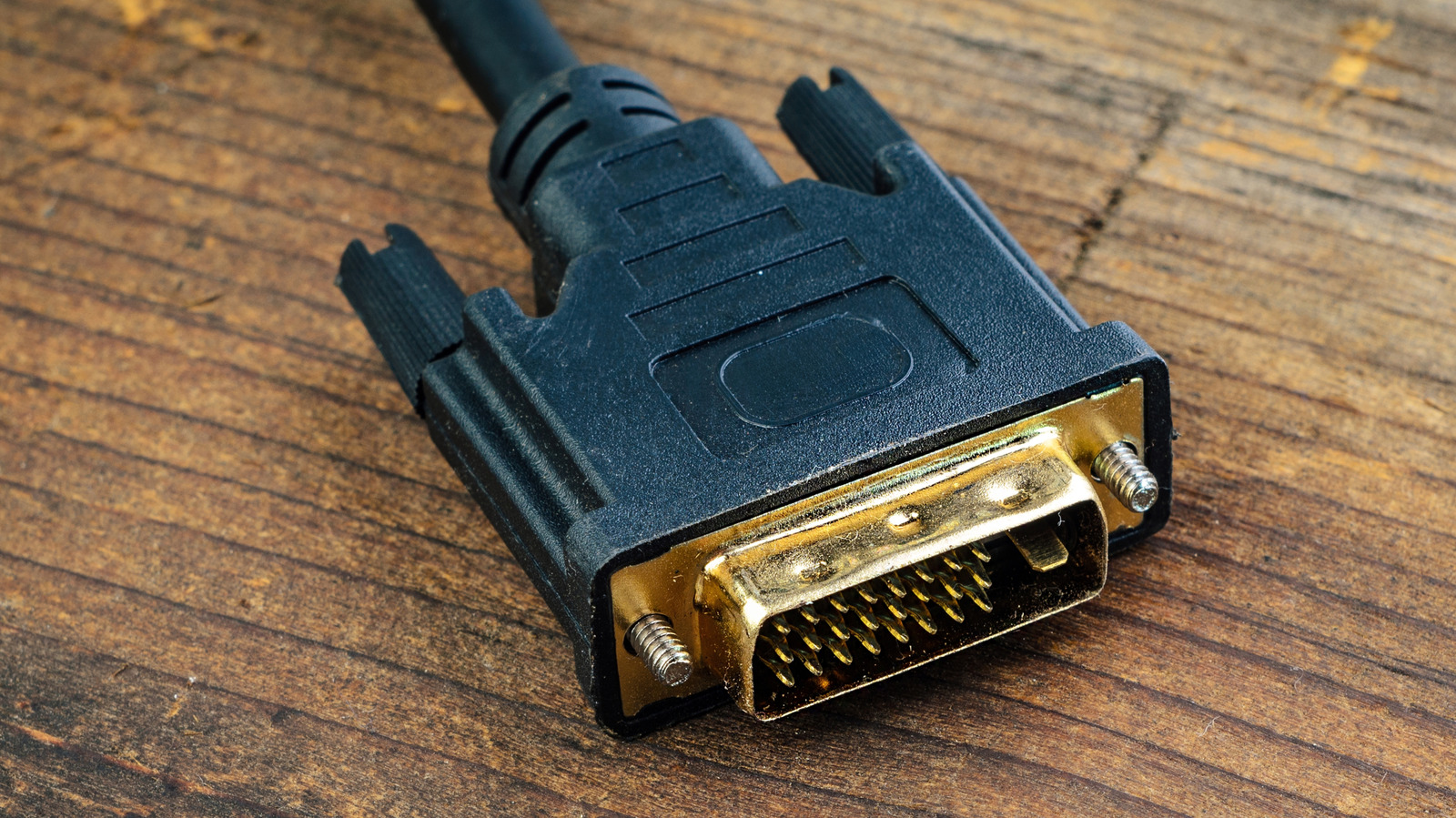
What Bluetooth codecs are and why they shape your audio quality
The audio quality of Bluetooth headphones and speakers depends heavily on which codec is being used, with several options offering different technical capabilities. Device compatibility often determines which codec is actually available to a listener.
Wireless audio quality over Bluetooth depends largely on the codec in use — the technology that encodes and decodes sound data as it travels from a source device to headphones or a speaker. Bluetooth connections are capped at roughly 2 Mbps overall, and no Bluetooth device can currently deliver truly lossless audio without also relying on a simultaneous Wi-Fi connection. Still, different codecs get closer to higher fidelity to varying degrees.
What codec specs actually measure
Three metrics define codec performance: bit rate (how much data transfers per second), audio bit depth (which affects dynamic range) and sample rate (how often a snapshot of the sound is captured per second). SBC, the standard codec, is supported by every Bluetooth device, while others — such as Sony's LDAC, Samsung Scalable, or the Qualcomm-owned AptX family — only work with specific hardware.
Comparing maximum specifications, AptX Lossless tops out at 1.2 Mbps, LDAC reaches up to 990 kbps, and LHDC up to 900 kbps, all offering 24-bit depth and 96 kHz sample rates. SBC and AAC post lower numbers, but a higher bit rate alone doesn't guarantee better sound — AAC, for instance, uses a more sophisticated compression algorithm than SBC and often sounds better despite a lower peak bit rate.
Real-world limitations
Manufacturers frequently cap codec performance to conserve battery life; SBC, despite a theoretical ceiling of 345 kbps, is often limited to 256 kbps in practice. Several higher-end codecs also use variable bit rates that adjust to connection strength, meaning listeners may not always get the full benefit. There are also diminishing returns tied to the limits of human hearing, and higher-quality codecs tend to drain battery faster.
Apple devices only support AAC and SBC, while Android users can switch codecs by enabling developer options or using third-party apps.