Bolton urges NATO allies to 'endure' Trump until 2029
Former US National Security Advisor John Bolton calls on NATO leaders at the Ankara summit to be cautious and try to preserve a 'semblance of a living NATO' until the end of Trump's term in January 2029.
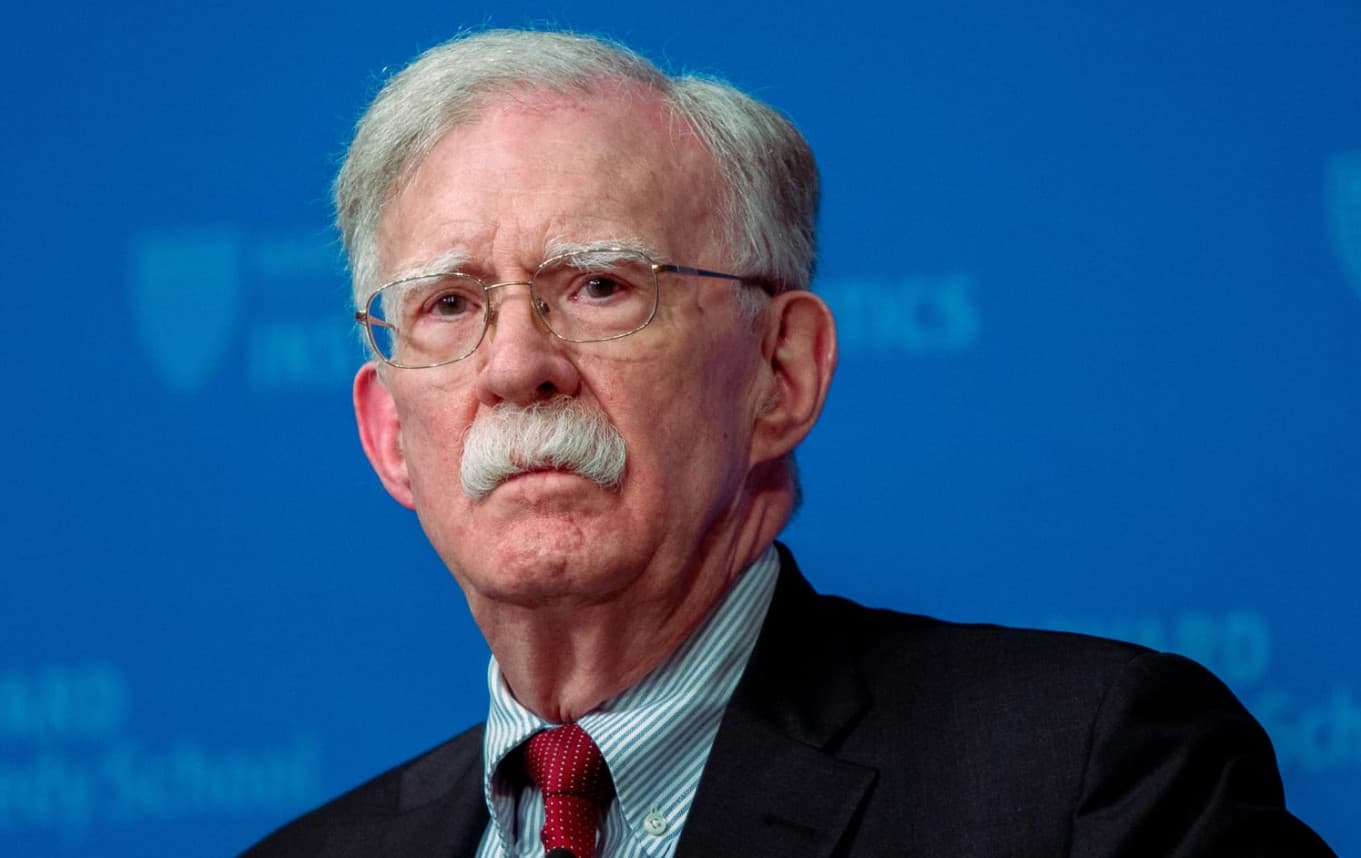
Former US National Security Advisor John Bolton has urged NATO allies to 'endure' President Donald Trump and do their best to maintain 'some semblance of a living NATO' until the end of his term in January 2029. The call came in a column published in The Washington Post ahead of the NATO summit in Ankara.
Bolton noted that despite recent increases in European defense spending, Trump remains dissatisfied with allies, holding the view that 'America protects Europe, Europe takes advantage and cheats, and America gets nothing.' The former advisor considers this perception flawed, as the US 'gets a lot: strategic territorial depth, critical economic and political ties, a functioning military organization that doesn't need to be rebuilt from scratch when a new threat emerges, and unprecedented interoperability of weapons, intelligence, and communications systems.'
'NATO and our other alliances are not charity. They were based on cold calculations of American interests, which also, to be fair, provided numerous side benefits to our allies,' Bolton wrote.
Turning to the Ankara summit, Bolton said 'no one can predict Trump's mood' and urged leaders to act with restraint and caution. 'The priority should be 'do no harm' – especially on issues of Ukraine and Iran. If nothing happens in Ankara, that will be a victory for the Alliance,' he stressed.
'The goal should be that by January 20, 2029, some semblance of a living NATO remains. Whatever leaders' emotions about Trump – this is not the time to score points for personal or national political agendas. If in doubt what to say in any situation – better to smile and say 'thank you for Trump's trillion,' Bolton advised.
Media reports, citing administration sources, said Trump arrived at the NATO summit in a bad mood. After arriving, the US president again expressed dissatisfaction with allies and hinted at further reductions of the US contingent in Europe.
