Menendez brothers set for earlier-than-expected parole hearing
Erik and Lyle Menendez are expected to appear before a parole board in March, roughly 17 months ahead of their previously scheduled date, after California officials granted their request for an earlier review.
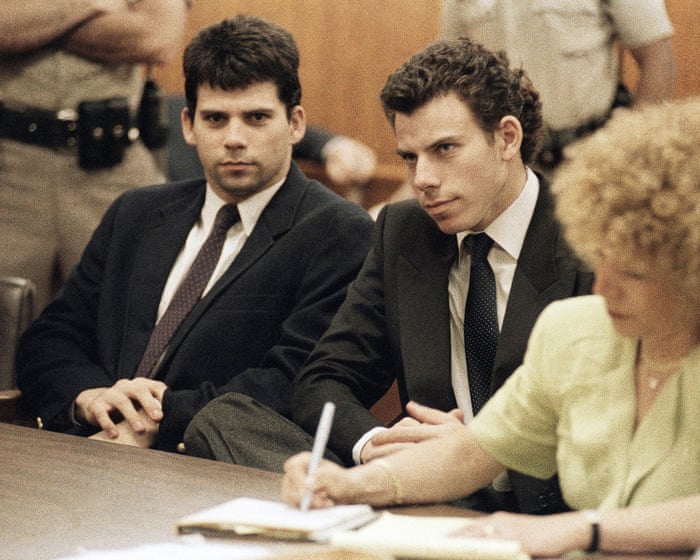
California corrections officials have moved the next parole hearing for Erik and Lyle Menendez to March, more than 17 months earlier than originally planned after their previous rejection.
The brothers were sentenced in 1996 for the 1989 fatal shootings of their parents, Jose and Kitty Menendez, in their Beverly Hills mansion. In May 2025, a Los Angeles judge reduced their sentences to 50 years to life, making them eligible for parole because they were under 26 at the time of the crimes. They were denied parole in August 2025, with the board citing "anti-social personality traits like deception" in Lyle Menendez and noting that Erik Menendez had repeatedly violated prison rules by using a cellphone.
After that denial, they were not eligible to apply again until August 2028. However, their requests for earlier hearings were granted on Friday, and the hearing has now been tentatively scheduled for March. Under state rules, inmates can seek earlier hearings if there is "a change in circumstances or new information indicating the person may be suitable for parole." The Department of Corrections and Rehabilitation did not immediately respond to questions about why the brothers were granted the earlier date, and their attorney declined to comment.
The case has fascinated true-crime audiences for decades, and recent Netflix productions renewed public interest in the brothers. Weeks after the parole rejection, a Los Angeles judge also denied their petition to review their convictions based on new evidence supporting their claims that their father sexually abused them.
In a statement Monday, the Menendez family said the brothers, who are held in a San Diego prison, have spent nearly 40 years taking responsibility for their actions and working to heal from abuse and trauma. The family said the siblings helped establish a hospice program and a beautification initiative there, aiming to build an environment reminding people serving life sentences that their lives still have meaning.
At their original trials, the brothers were tried separately, and in 1994 each jury deadlocked. Prosecutors argued the killings were motivated by financial gain. Their defense did not dispute that the brothers killed their parents, but said the acts were self-defense after years of alleged emotional and sexual abuse by their father. In a 1996 joint retrial, much of that abuse evidence was excluded, and a jury convicted both of first-degree murder.