Brandenburg Farmer Gives Up 300 Hectares of Arable Farming: Just €5.10 an Hour
A farmer in the Prignitz district of Germany's Brandenburg state has leased out all his farmland because revenues barely cover costs. His family farm now relies on direct sales, catering and contract work.

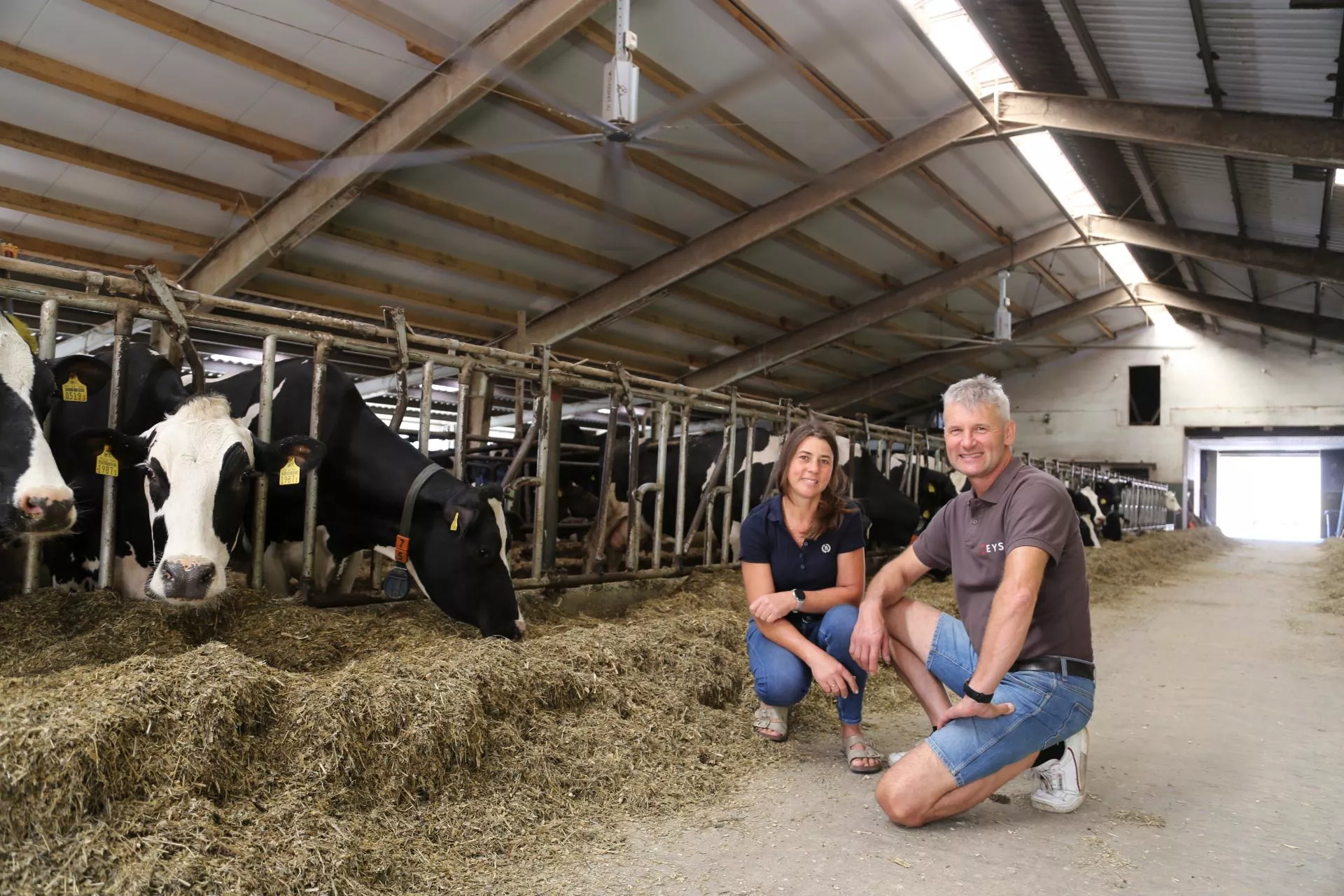
In the Prignitz district of Germany's Brandenburg state, 50-year-old farmer Mario Ortlieb has given up arable farming on his 300 hectares this autumn. His family farm is in Sarnow, a village belonging to the town of Pritzwalk. The reason is financial: in recent years revenue has barely covered the cost of fertiliser, crop protection products and diesel. His case reflects wider strain in Brandenburg agriculture, where many farms are short of cash.
Why he took the step
Ortlieb calculates that he and his father are left with €5.10 per hour worked. He compares this with the early 1990s, when his father received about €230 per tonne of wheat while fertiliser cost €75 per tonne. Today wheat fetches €30 less, he says, but fertiliser costs six times as much. This year only barley brought in anything worthwhile, and his starch potato yield was half of what it was two years ago, when he harvested 46 tonnes per hectare. He had to dismiss four former employees. He says he did not want to wait until the bank refused him further credit.
Of the land he abandoned, 200 hectares belong to the family and 100 hectares were rented. He has now leased out his own land, and the rental income helps service two long-term loans. He kept 16 hectares of grassland to feed his cattle and pigs, and 5 hectares for potatoes, beet and vegetables for direct sale.
Situation in the sector
Andreas Kiekback, chairman of the Prignitz district farmers' association, says five farms in the area have quit this year and another five or six are considering it. Data from LELF, Brandenburg's state office for rural development, agriculture and land consolidation, show that of 234 test farms assessed in the 2024/25 financial year, about 42% had no money left after running costs, owner withdrawals and loan repayments.
New sources of income
Ortlieb now offers contract field work to other farmers, from sowing to harvest. His farm shop sells meat and sausages from his own animals, and he plans to double his number of beef cattle to 40. His Sunday brunch in the farm café serves up to 65 guests, though he has had to cancel it when guests dropped out. He has booked his grill container for three Christmas markets and is considering catering for a school canteen. He does not know whether the new concept will pay off, but says he would choose farming again.