Lula vs. Bolsonaro's Son: Brazil Heads to the Polls
Brazil holds presidential elections on October 4, pitting incumbent Lula da Silva against Flavio Bolsonaro, son of former president Jair Bolsonaro, with polls showing a close race. The outcome could reshape Brazil's relations with the US and China.
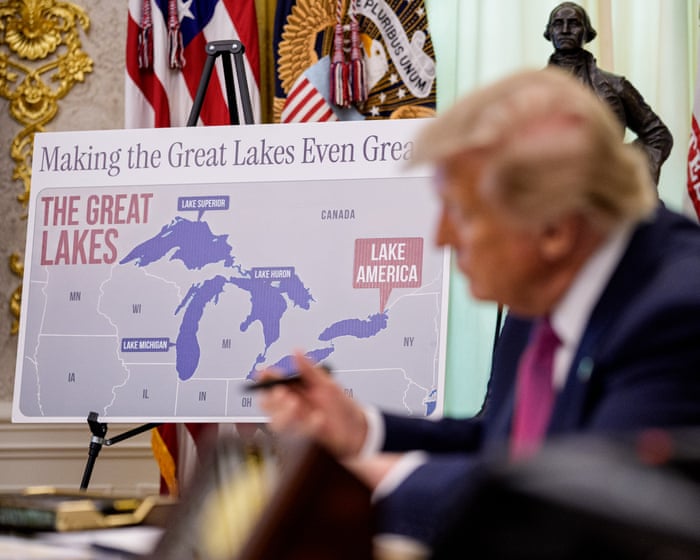
Brazilian President Luiz Inacio Lula da Silva delivered a pointed message at the UN General Assembly's opening on Tuesday, declaring that Brazil "does not belong in anyone's backyard" — a remark aimed at US President Donald Trump, who was not present. Washington has repeatedly intervened in Brazilian domestic politics, backing former President Jair Bolsonaro and the far-right opposition. In July, the Trump administration sanctioned the judge who convicted Bolsonaro of attempting a coup and sentenced him to 27 years in prison; the sanctions were lifted only after negotiations with Lula.
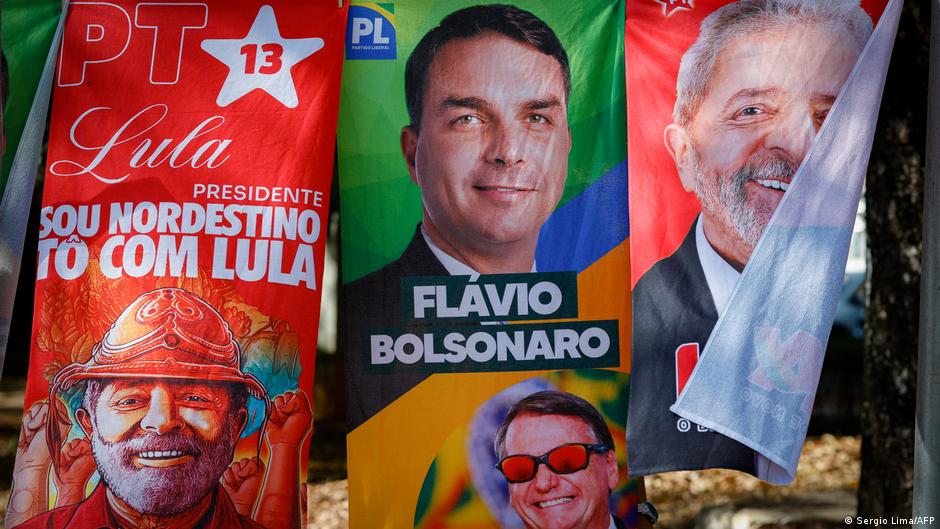
In the October 4 presidential election, Lula's chief rival is Bolsonaro's eldest son, Flavio, with polls showing the two nearly tied in a potential runoff. The vote is drawing significant international attention given Brazil's status as the world's fifth-largest country, a major agricultural power, and a nation rich in resources including rare earth elements and oil.
Lula is regarded as the last major standard-bearer of the South American left, while several neighboring governments — including Argentina, Bolivia, Peru, Chile, Ecuador and Colombia — lean closer to Trump. Lula favors multilateral diplomacy and trade ties with all nations, with China remaining Brazil's top trading partner, while Flavio Bolsonaro favors closer alignment with the US and other right-leaning states.
Analysts say a Bolsonaro win could put Brazil's BRICS membership in question, since Bolsonaro has pledged to review participation in the bloc and has criticized Chinese efforts to weaken the dollar's global dominance. However, experts doubt how far such moves would go given Brazil's deep economic ties to China, particularly in agriculture. Observers also warn that Flavio Bolsonaro could repeat his father's approach to environmental policy, which previously left Brazil more isolated internationally and strained relations with the European Union.