Brussels Battles Over the EU's 2028–2034 Budget: What Talks Look Like Behind Closed Doors
The European Commission has proposed two trillion euros for the next EU multiannual budget, but the European Parliament and the Council are locked in political and procedural fights over how to split it. Latvian MEP Rihards Kols writes that Latvia must adapt to funds where money is won through competitions.
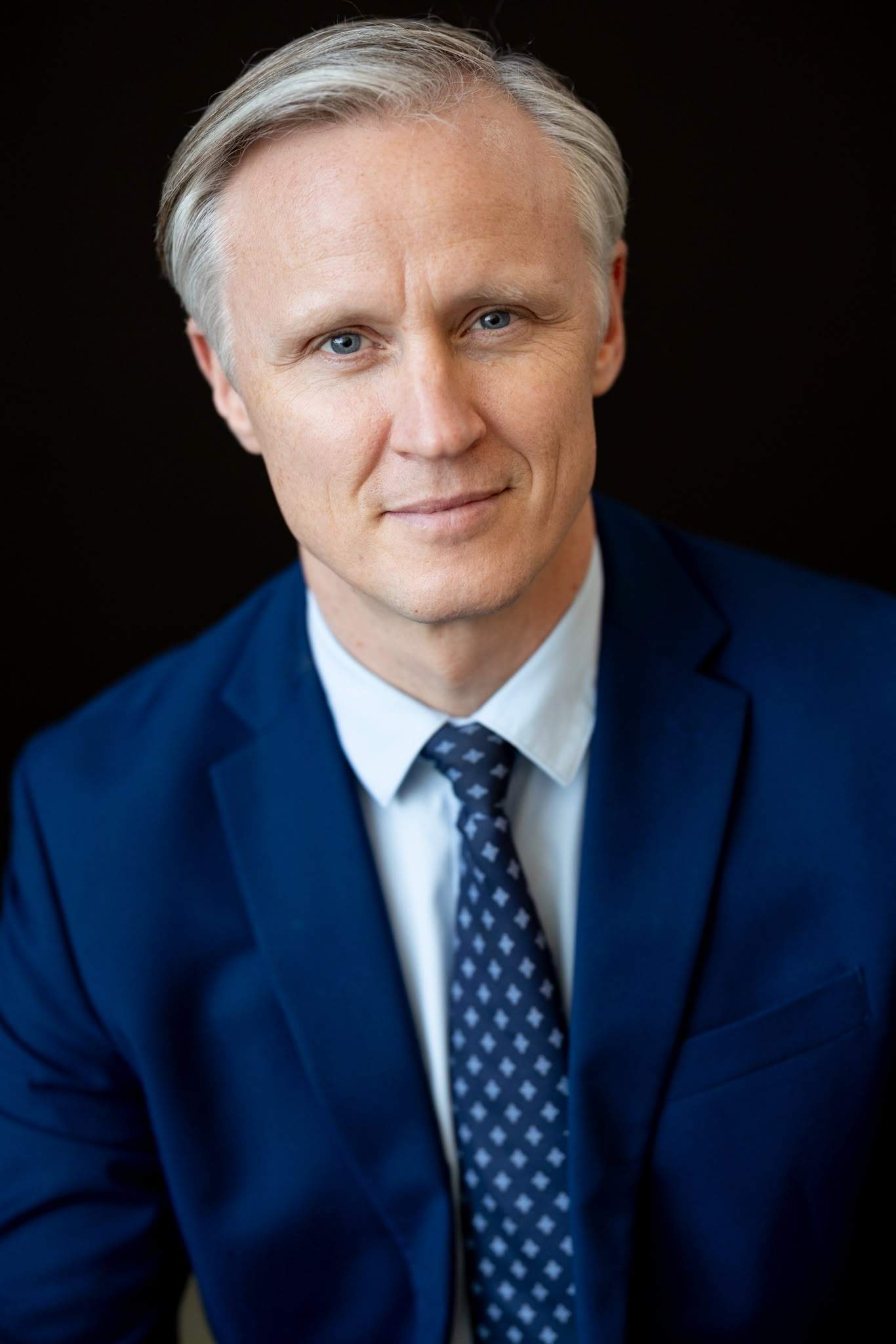
The European Commission, the EU's executive body, has put forward two trillion euros as its opening proposal for the next EU multiannual budget covering 2028–2034. Latvian MEP Rihards Kols, who serves as his political group's shadow rapporteur on two of the new funds – the European Competitiveness Fund and the Global Europe Fund – describes how the talks over this money are conducted in Brussels. In his assessment, the public talk of competitiveness and security differs sharply from the work behind closed doors.
The fight over mega-funds
The Commission decided to merge dozens of existing funds and programmes into three large ones. The first dispute in the European Parliament was over which committee would take the lead and draft the main legal text. Eleven committees sought a role on the Competitiveness Fund alone, MEPs tabled about 7,800 amendments, and only two months were available. The 200-billion-euro Global Europe Fund was assigned to the Foreign Affairs and Development committees, which hold differing outlooks. The question to settle is whether the EU is merely a charity or may also pursue its own interests.
Compromise text and unseen talks
Shadow rapporteurs – one MP per political group – negotiate the compromise text. Kols says meetings are often held without a clear agenda, and key articles reach MEPs only hours or minutes before a session. In parallel, consultants, advisers and lawyers work at technical level. According to him, informal working groups have been set up on some files, offering an alternative text at the last moment.
National interests
Kols stresses that party ideology gives way to national interests when money is divided. France is keen on buying from European producers, while Poland wants to protect cohesion funds. German Defence Minister Boris Pistorius pointed to a similar contradiction at the Berlin security conference. Last year EU states spent 115 billion euros on military equipment, but only 24% went through joint procurement. Poland intends to direct 89% of its share of nearly 44 billion euros under the SAFE defence loan programme to domestic producers.
The Council: posturing
In the Council of the EU, where member-state governments sit, some push to cut the budget by hundreds of billions, while 17 "Friends of Cohesion" countries defend regional policy and agriculture. The Irish presidency's October negotiating document trimmed the Competitiveness Fund by 41 billion euros, which by the Commission's estimate means roughly 250 billion euros less in private investment.
Kols concludes that Latvia must stop waiting for guaranteed cohesion money, as funds will increasingly be allocated through project competitions. Budget talks will pick up speed at the end of November and at the December summit.