UK nuclear submarine HMS Vengeance returns from record 217-day patrol
The Royal Navy's nuclear-armed submarine HMS Vengeance has returned to Scotland after a 217-day deployment, beating the record set in April. Experts link ever longer patrols to maintenance delays on ageing boats and heavy psychological strain on crews.
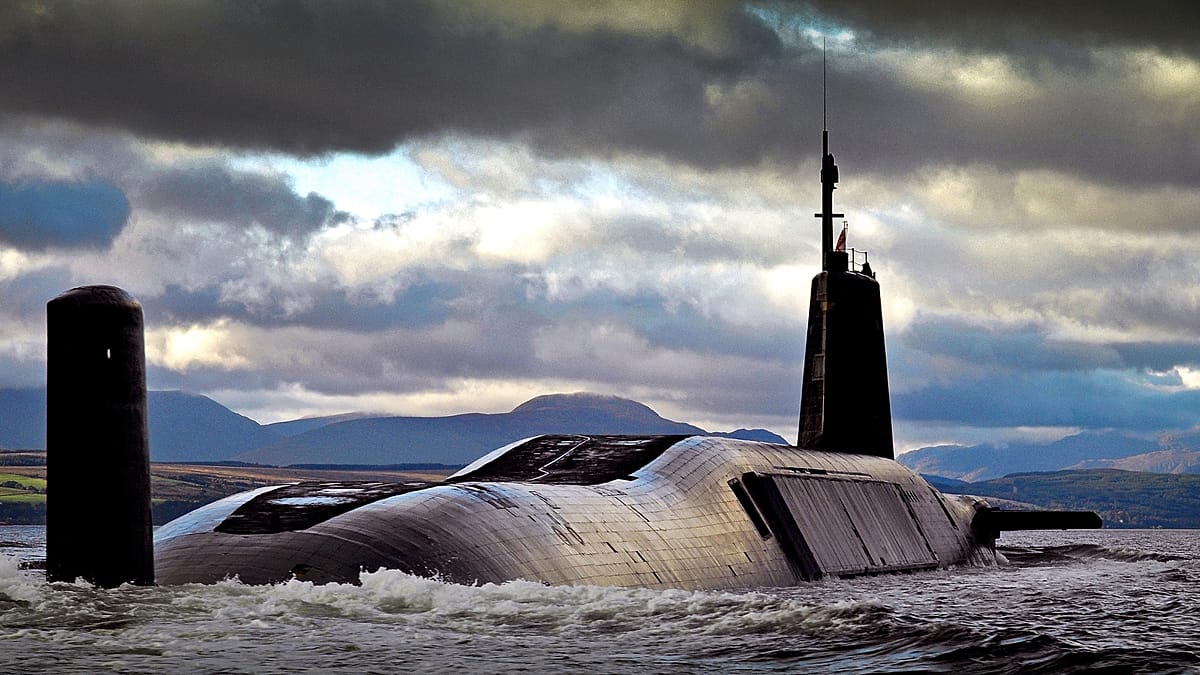
HMS Vengeance, a nuclear-armed submarine of the UK's Royal Navy, has returned to Scotland after a 217-day patrol underwater. It surpassed the 205-day record set in April by HMS Vanguard. Experts view the two consecutive records less as a show of naval strength and more as a symptom of problems in the nuclear submarine fleet.
Why patrols are getting longer
According to specialists, the lengthening deployments stem from delays in maintaining ageing submarines and from the heavy psychological pressure on personnel. The UK government ties the longer missions to budget cuts, which it says have slowed maintenance work. When some boats spend long periods in maintenance, a greater burden falls on those able to deploy.
Nuclear submarine specialist David Cullen told UK daily The Guardian on 15 November that Vanguard class submarines were originally designed for missions of about three months. He said even that was considered a long time to remain "underwater in a metal box with no contact to the outside world". In the past even 100-day deployments were rare, while some patrols today reportedly last more than twice that. Longer missions require more food and supplies, which the crew must store in passageways and any other usable space.
The submarine's role
Launched in 1998, HMS Vengeance is one of four Vanguard class nuclear submarines in Britain's fleet. It is roughly 150 metres long, weighs 17,526 tonnes and carries 16 launch tubes for Trident ballistic missiles, which can deliver several nuclear warheads to separate targets. Vanguard class boats are central to Britain's nuclear deterrence: under the policy of continuous at-sea deterrence, at least one nuclear-armed submarine is always on patrol.
Contact with families and the fleet's future
The crew of about 140 spends most of a deployment submerged in radio silence. Sailors can receive a weekly message of up to 120 words from their families, but navy officials review these and can censor bad news or sensitive information. Sailors may not reply.
In recent years allegations of harassment of women in the submarine service have also drawn attention. In 2024 the then head of the Royal Navy, Admiral Sir Ben Key, apologised and called misogyny in the service intolerable. Concerns about the fleet's future also persist: Vanguard class boats were designed for around 25 years of service but are now expected to operate for about 40 because of delays to their successors. The first of the new Dreadnought class, HMS Dreadnought, is expected to enter service around 2032.