Lawsuit demands OpenAI cover new school's cost after shooting linked to ChatGPT
British Columbia is suing OpenAI, alleging ChatGPT's design—not its users—fueled a shooter's violent ideation in the Tumbler Ridge community, and is demanding compensation including the cost of a new school. The province also wants regular independent audits of the company imposed by court order.
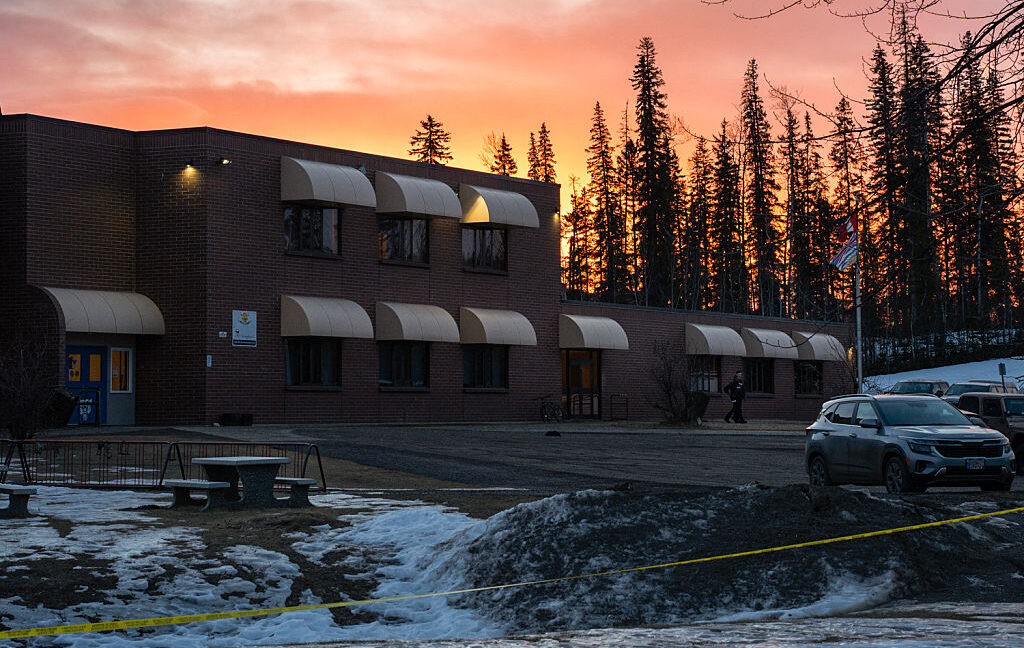
The Canadian province of British Columbia has filed a lawsuit against OpenAI, alleging that ChatGPT's underlying design, rather than any misuse by its users, contributed to violence carried out in the Tumbler Ridge community. According to the complaint, OpenAI disabled a feature that would have ended chats with the shooter, then rolled out a more sycophantic model despite already knowing it had previously assisted users intent on real-world violence.
The lawsuit states that since ChatGPT's launch, its model specification has instructed the chatbot to assume "good faith" and avoid probing user intent even during violent conversations. British Columbia is asking the court to order those two specific instructions changed.
The province, which is funding recovery of the chat logs, wants access to them, alleging they will show the product dangerously facilitated the shooter's mental instability by encouraging and reinforcing violent ideation instead of interrupting it or directing the user toward real help.
Potential consequences for OpenAI
If it loses, OpenAI could face extensive damages, including covering the costs of emergency response efforts, and punitive damages if its failure to warn police is found to be willful. The complaint states OpenAI had repeatedly told users and the public that it detected users posing a risk of harm to others, routed such conversations to trained reviewers, and referred imminent threats of serious physical harm to law enforcement. Having publicly claimed to perform that protective function, the lawsuit argues, OpenAI cannot now disclaim the duty it assumed.
Altman's apology called insufficient
In April 2026, OpenAI CEO Sam Altman publicly acknowledged the company had failed the Tumbler Ridge community, saying he was sorry law enforcement wasn't alerted about an account he said had been banned in June. British Columbia disputes that the account was ever banned, calling the apology an admission that OpenAI's safety team identified a violence risk but never notified police.
To ensure the most dangerous conversations are consistently routed to police in future, the province is asking the court to order OpenAI to undergo regular independent audits. The lawsuit alleges that a meaningful user ban would have cut off the shooter's continued access to ChatGPT, and that reporting the user to law enforcement could have led to weapons being removed from the home, since the shooter was already known to local authorities.