Bundestag Passes 2027 Budget of 556 Billion Euros
Germany's lower house of parliament, the Bundestag, approved the federal budget for 2027 worth 556 billion euros. It sets record spending, including nearly 140 billion euros for defence.
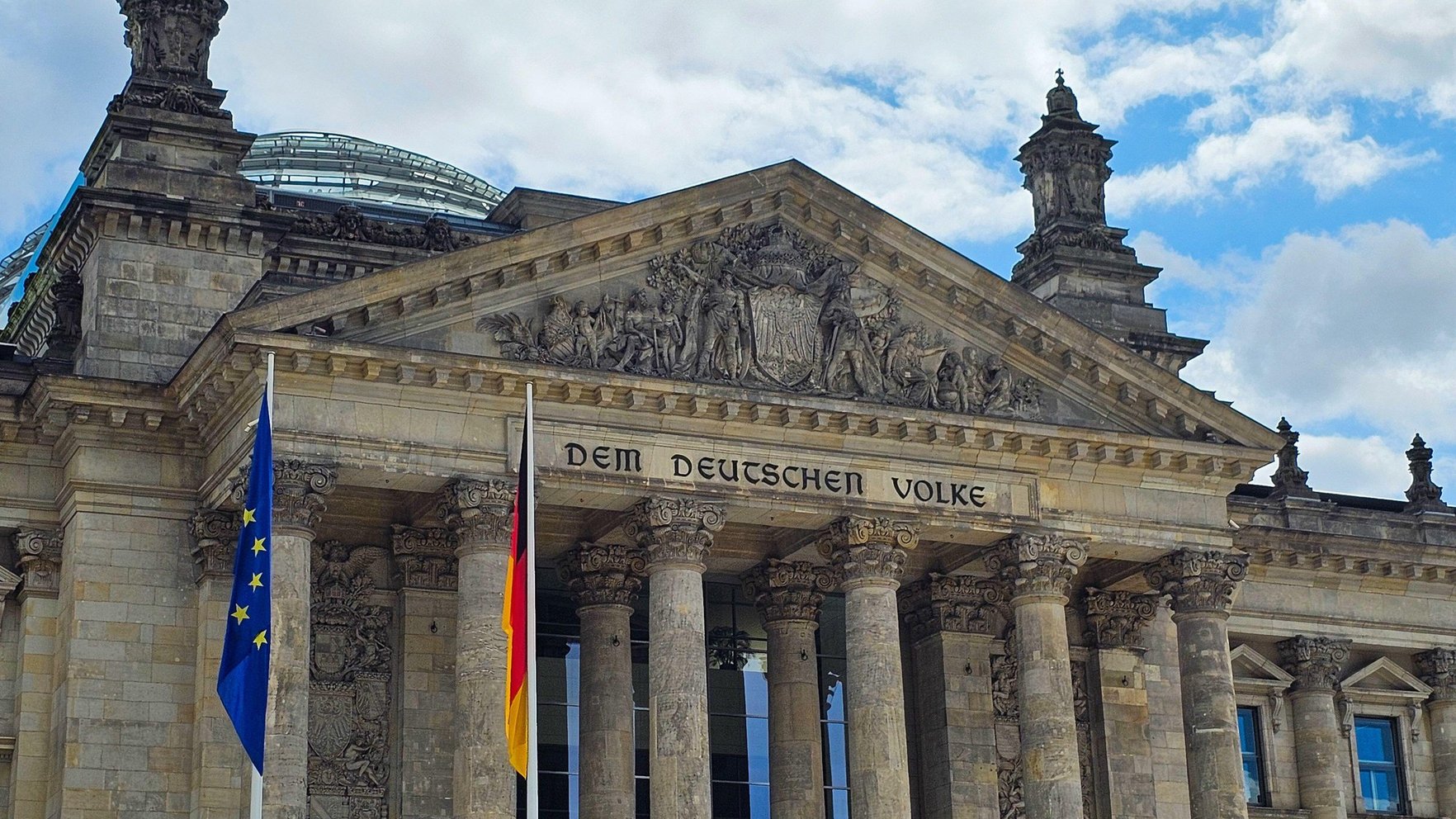
The Bundestag, the lower house of Germany's parliament, on Friday approved the country's federal budget for 2027, providing for spending of 556 billion euros. The vote was 316 in favour and 260 against. It is the largest budget the country has had, and it determines how much money the government of Europe's biggest economy will have next year.
Special funds and borrowing
In addition to the core budget, two special funds have been created, to be financed through borrowing. 57.8 billion euros are earmarked for infrastructure development and climate measures, and 29.6 billion euros for strengthening defence. Together, the budget and the funds give the government more resources than ever before, with 123 billion euros to be covered by borrowing.
More than a third of spending goes to employment and social affairs. Defence spending will rise to almost 140 billion euros, the highest level since the end of the Cold War. The budget also includes 12 billion euros to support Ukraine in its war with Russia.
Coalition talks and taxes
Negotiations between Chancellor Friedrich Merz's conservative bloc, the CDU/CSU, and its coalition partner, the Social Democrats (SPD), lasted for months. The CDU/CSU kept pushing for a cut in the electricity tax even after the parliamentary budget committee had finished its deliberations, and the measure made it into the final package.
At the start of the process, Finance Minister Lars Klingbeil faced a 34 billion euro shortfall. The coalition agreed to cover it with tax increases. The tax rate on spirits will rise by 20%, and drinks with an alcohol content of up to 15% will also be taxed. A tax on sugary drinks will take effect only in early 2028, with three tiers depending on sugar content.
Assessments by politicians
Merz acknowledged that the budget process had "no elegance". Klingbeil defended the amount of new debt, saying it will mainly go to defence and investment, such as the rail network and child care centres. He said self-sustaining growth must now be ensured and that 2027 should become a year of private investment.
Klingbeil also warned that the 2028 budget will be an even greater challenge. In his words, people will have to be asked to accept some sacrifices, while making sure the measures are fair.