Bundeswehr Chief Inspector Calls for Thinking Beyond State Borders When It Comes to NATO Forces
The Chief Inspector of the Bundeswehr stated in an interview that NATO forces in the Baltic region must be viewed as a unified structure, not divided by national borders, and that Russia could be capable of launching a large-scale war against the alliance by 2029.

In an interview, the Chief Inspector of the Bundeswehr discussed the deployment of NATO forces in the Baltic region, emphasizing the need to think beyond national borders. He noted that although the operational space is divided between two corps – one responsible for Lithuania and Poland, and another for Latvia and Estonia – this actually unifies the region rather than dividing it. The two corps will stand shoulder to shoulder, with extremely precise cooperation.
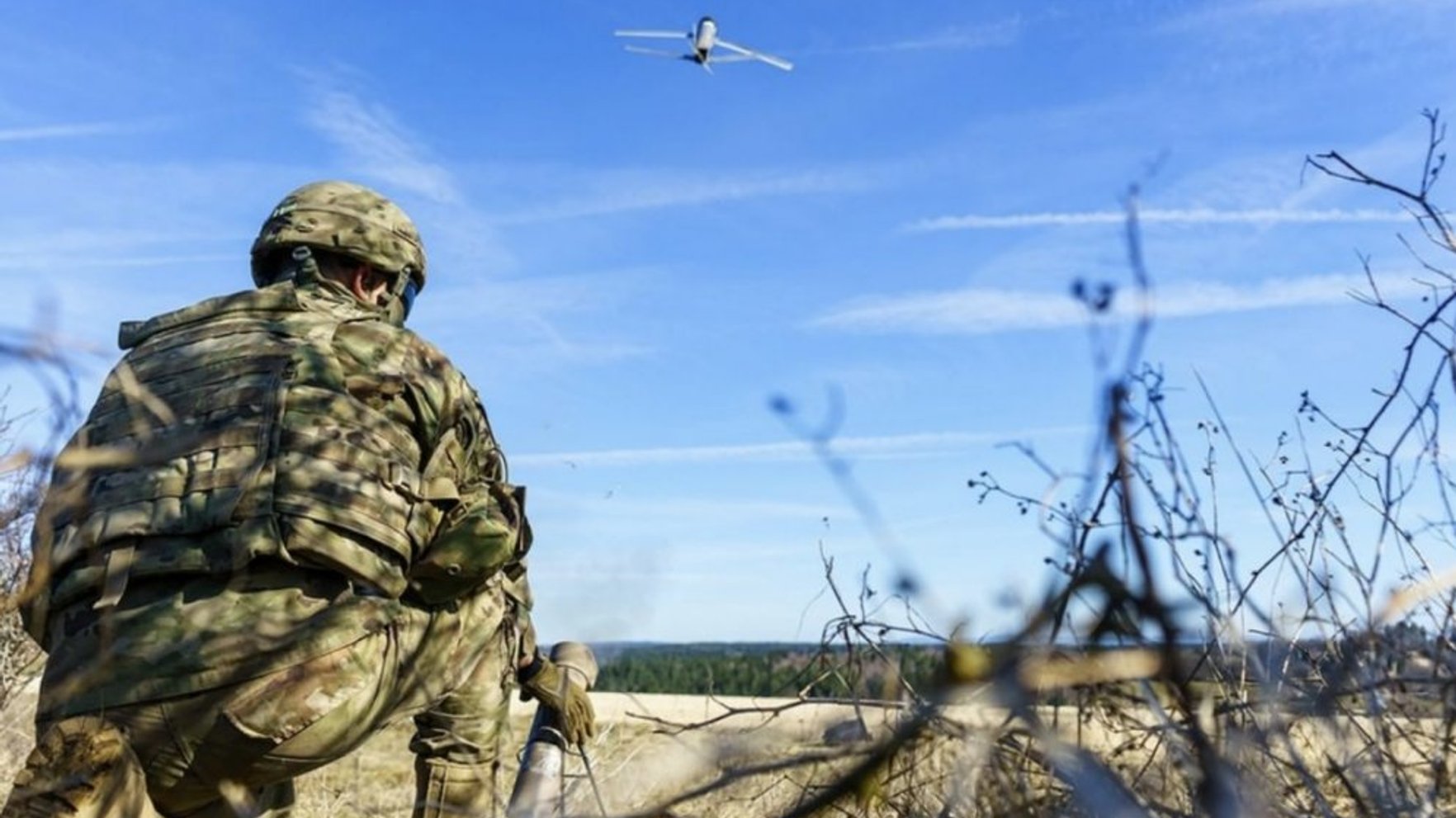
The Inspector highlighted that the 45th Brigade, which will achieve full combat readiness in Lithuania next year, is one of the most modern German units, equipped with artificial intelligence systems and various types of drones. Although it will be subordinate to the Multinational Corps Northeast, both divisions stationed here will be under the German-Dutch Corps. The key is interoperability and the ability to maneuver flexibly – the country of origin of the unit becomes secondary.
Regarding readiness for war by 2029, the Inspector stated that readiness must be achieved earlier. Experts warn that Russia could be capable of a large-scale war against NATO by that time, but this is only a hypothesis. Analyzing political trends and resource mobilization rates, this date is used as a benchmark.
On the role of the US, the Inspector acknowledged that the US remains committed to its obligations under NATO defense plans, but Europe must take greater responsibility for its own security, including developing long-range precision strike capabilities. The current dependence on US military support is a reality of the transition period.
Lessons from the war in Ukraine show that there will be no respite in future conflicts – trench warfare reminiscent of World War I will combine with a "death zone" where movement becomes impossible due to an abundance of reconnaissance drones and artillery. Electronic warfare and minefields will be realities. The main priority is adaptability.
Regarding compulsory military service, the Inspector said the current voluntary system with mandatory questionnaires for men and voluntary ones for women is the right path. It is important to find a balance between increasing reserves and maintaining professional capabilities. Germany's upcoming elections in 2029 do not affect the buildup of armed forces – it is based on the threat level.