Burnham to scrap Starmer's digital ID scheme in reset of priorities
Incoming UK Prime Minister Andy Burnham plans to abandon the digital ID card scheme proposed by his predecessor Keir Starmer, redirecting the allocated resources to tackle the cost of living.
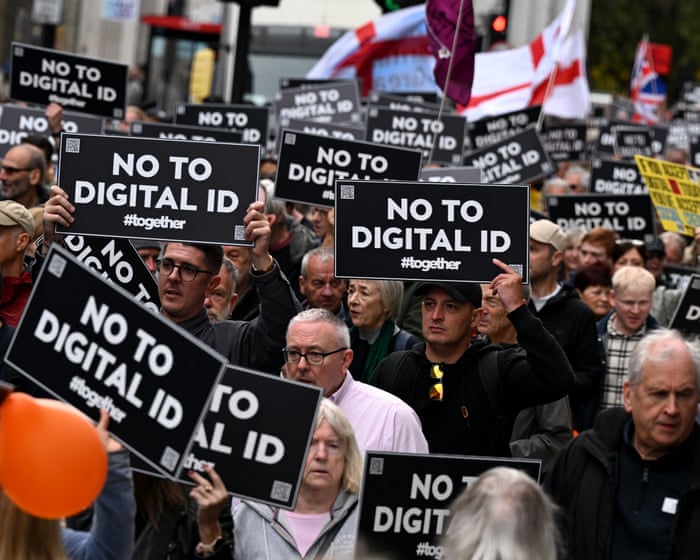
Andy Burnham, who will enter Downing Street on Monday, is expected to scrap Keir Starmer's plans for digital ID cards as part of a "reset of priorities". His team indicated on Saturday that resources earmarked for the scheme would be redirected towards addressing the cost of living crisis.
According to The Guardian, the move aims to distance the new prime minister from unpopular decisions made by his predecessor. A petition opposing the introduction of digital ID cards when it was announced last year attracted about 3 million signatures.
Burnham's spokesperson said the government would focus on creating breathing space and delivering change people can feel in their everyday lives. Time and resources that were to be spent on a national ID scheme will go instead to areas of greatest need, such as helping with the cost of living. The government is committed to bringing power back to communities rather than hoarding it in Whitehall.
It remains unclear how much money will be saved by scrapping the controversial project, as Starmer's government did not set out a clear budget. The Office for Budget Responsibility suggested costs could be around £1.8 billion, but officials rejected that estimate.
Starmer announced the digital ID plan last September as part of efforts to combat illegal working. The proposed "Brit card" would have been compulsory for those needing to prove their right to work in the UK, amid growing fears about illegal immigration. The cards were to include the holder's residency status, name, date of birth, nationality, and photograph.
The plan faced widespread backlash from opposition politicians and civil rights groups. Conservative MP David Davis warned that no system is immune to failure, expressing little faith in the government's ability to protect personal data. The Liberal Democrats opposed a mandatory digital ID that would force people to hand over private data. Jim Killock from the Open Rights Group warned of the risk of creating a digital surveillance infrastructure.
In response to criticism, the government had already rolled back the plans earlier this year, making the ID cards voluntary and allowing workers to use existing documents like passports. In May, Conservative chair of the home affairs select committee Karen Bradley called the announcement "a fiasco" that made little sense to the public.
Despite scrapping the ID scheme, sources close to Burnham said he remains committed to the previous government's crackdown on illegal working, which led to almost 9,000 arrests last year. Right-to-work checks are expected to remain mandatory for all employers, with new legislation extending verification to the gig economy.
The decision to completely ditch the scheme may cause further disquiet among technology experts, who are already angry at proposals to abolish the Department for Science, Innovation and Technology as part of a wider Whitehall shake-up. Burnham has asked officials to draw up plans for much of the department to be absorbed into a more powerful business department.