Burnham cuts VAT on household electricity bills; UK borrows less than expected in June
New UK Prime Minister Andy Burnham has announced a VAT cut on household electricity bills effective from October, funded by scrapping a digital ID programme. Meanwhile, June borrowing figures came in below forecasts, offering some relief to bond markets.
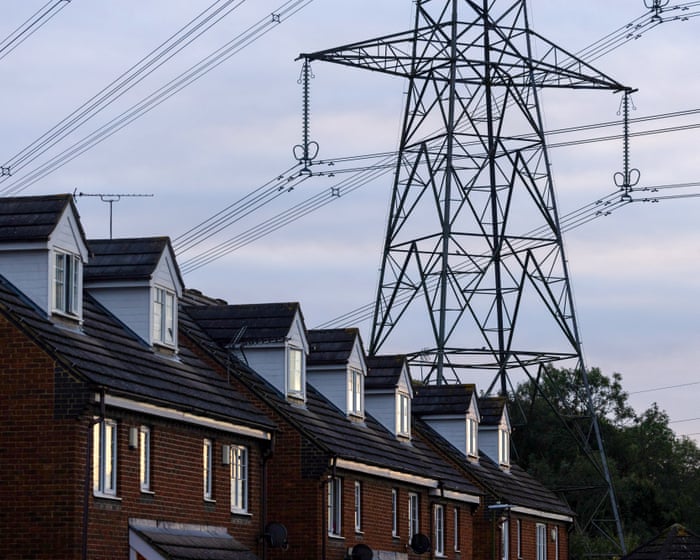
New UK Prime Minister Andy Burnham announced on Wednesday that value-added tax (VAT) on household electricity bills will be removed from 1 October, as part of his plan to tackle the cost of living. The move is expected to save around £45 per year from the energy regulator's price cap. The government said the decision will be funded by savings from cancelling the digital ID programme, which was projected to cost £1.8bn over three years. The VAT cut is estimated to cost about £850m in 2026/27. Burnham stated that Westminster has not been working for people for too long and that immediate action is needed to cut taxes on energy bills.
Public sector borrowing in June came in at £15.989bn, below the expected £18bn and down from £23.94bn a year earlier. According to the Office for National Statistics, the gap between spending and income was £7.9bn less than in June 2025, largely due to lower inflation-linked debt interest costs.
Financial markets reacted cautiously. The FTSE 100 index edged 0.3% lower, but defence stocks like Babcock International and BAE Systems rallied on hopes that new Chancellor John Healey will boost defence spending. Gilt yields dipped slightly as investors assessed the new government's economic policies.
TUC general secretary Paul Nowak welcomed Burnham's move but called for higher taxes on banks to raise up to £60bn over four years. Energy campaigners said cutting VAT is a positive step but does not address the scale of the problem, with millions still paying an unaffordable share of income on energy and record debt levels.
Unemployment remained at 4.9% in May, and job vacancies fell to 712,000, nearly half the 2022 level. Private sector earnings growth dropped to 2.9%, with average pay including bonuses rising 4.3%. Economists warned that real wage growth is likely to stagnate, adding pressure on the new government to address the cost of living crisis.