Butusov: Ending US Intelligence Sharing Would Be Painful for Ukraine but Would Not Stop It
Journalist and drone company commander Yurii Butusov, in an interview with Ukrainska Pravda, assesses the possible end of US intelligence sharing. He says it would be a loss for Ukraine but would not halt its resistance, and that Russia plans to keep fighting for several more years.
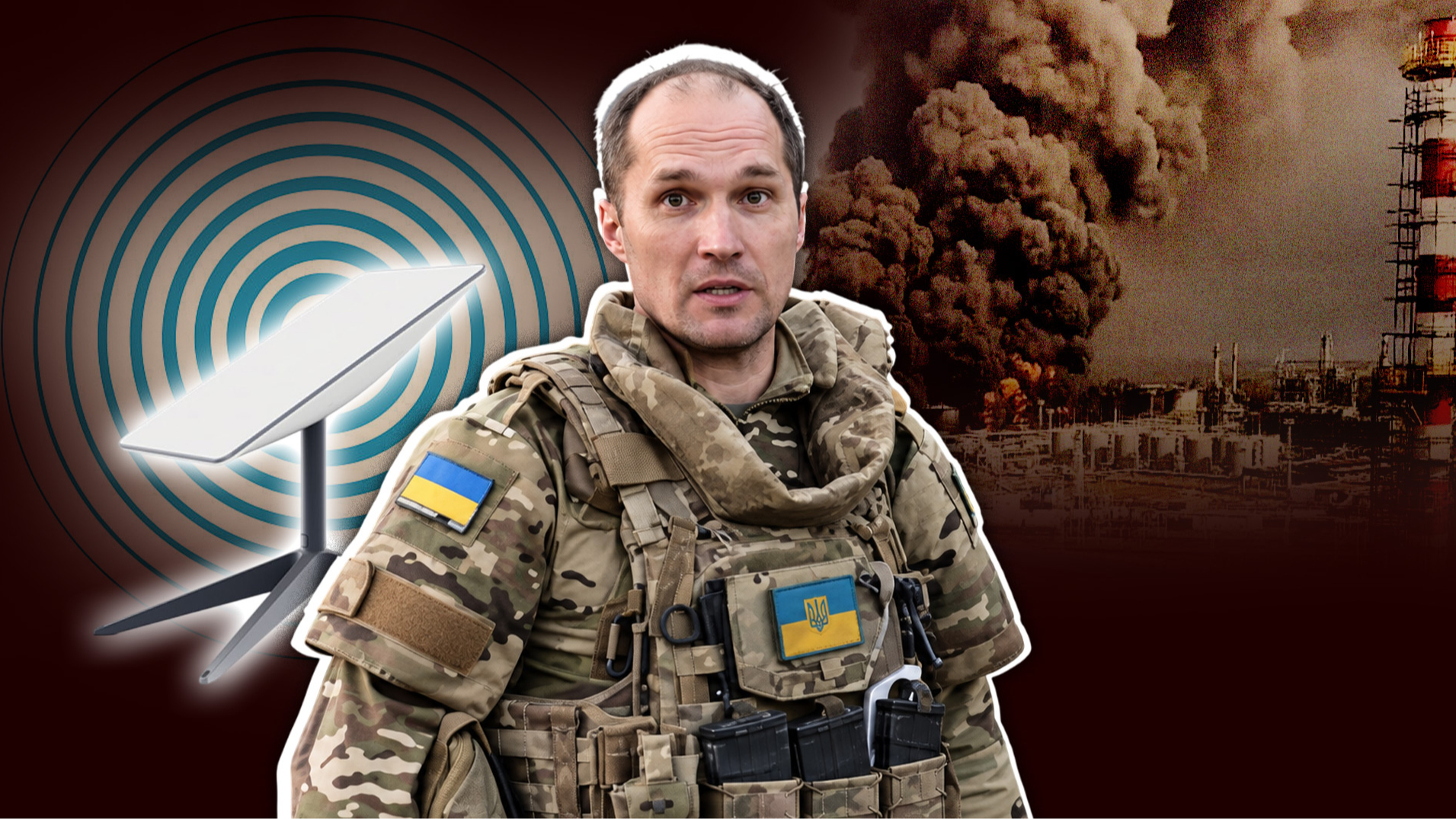
On the morning of 14 October, Ukraine's defence forces noticed that connectivity was beginning to fail on drones equipped with Starlink terminals. This came amid threats from US President Donald Trump to stop sharing intelligence with Ukraine if it keeps striking Russian oil refineries. A few days earlier, air defence units had received warnings of Russian ballistic missile launches late. No official explanation has been given, and both Trump and SpaceX owner Elon Musk denied any involvement in throttling the satellite communication speed. Ukrainian President Volodymyr Zelensky said in Brussels on 17 October that earlier performance levels had still not returned, and called the episode a “planned special operation”.
Ukrainska Pravda discussed the possible military consequences with Yurii Butusov, a journalist who now commands a drone company in the Khartiia brigade.
The role of intelligence
Butusov says Ukraine depends heavily on intelligence from NATO countries, above all the United States. In his view, the US has the world's most effective intelligence network: it monitors Russian territory by satellite, records missile launches and aircraft flights, and intercepts communications. Losing this would be painful, he says, but it would not stop Ukraine's resistance, since European partners continue to help and Ukrainian intelligence services are working.
He believes such a step would hurt the Trump administration, because the US military and security services largely support Ukraine. To strengthen its influence in Washington, he argues, Ukraine should build systematic lobbying and information work, drawing on its diaspora and pro-Ukrainian groups.
Russia's aims
Butusov disagrees that Russia has lost the initiative at the front: in his view it keeps it along most sectors. He says Russia's rate of advance in 2026 is lower than last year but higher than in 2023. In his assessment, Russia wants to force Ukraine to recognise the annexation of Crimea and the Luhansk, Donetsk, Zaporizhzhia and Kherson regions, and if nothing changes it can keep fighting for at least three to five more years.
Butusov also holds that Trump's peace plan lacks guarantees, oversight and a penalty mechanism, and so cannot be considered realistic.