Head of Latvia's CERN Group: Latvian Science Potential Is Not Fully Used
Kārlis Dreimanis, director of an institute at Riga Technical University, told LV portāls that science in Latvia is doing well but lacks sufficient state funding. He also discussed academic freedom and Latvia's path to full CERN membership.
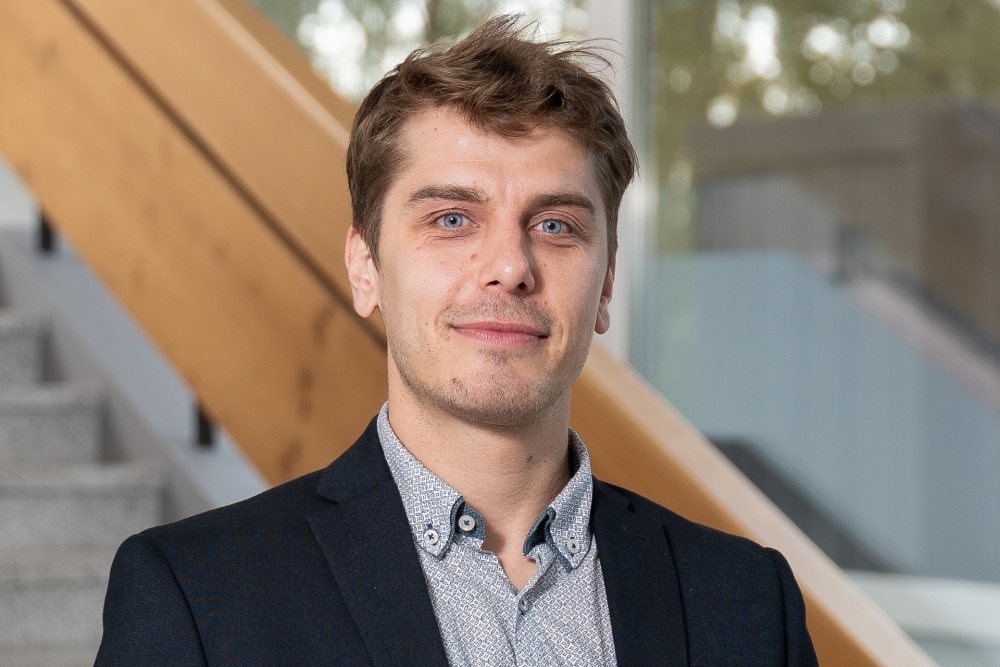
Latvian science is developing successfully, but its potential is not fully used because the state invests too little in it. This is the view of Kārlis Dreimanis, director of the Institute of Particle Physics and Accelerator Technologies at Riga Technical University, associate professor and head of the Latvian group at the European Organization for Nuclear Research (CERN), in an interview with LV portāls. His assessment matters for the debate over whether science can become an engine of Latvia's economy.
Funding and innovation
Dreimanis says investment in Latvia tends to start cautiously and in small amounts, but in science minimal funding may not be enough for the field to thrive. In his view, Latvia has proportionally as many geniuses as anywhere else in the world, so its human capital is good. He says the Ministry of Education and Science understands the value of science, while other ministries offer less support. The state often treats science and innovation separately, even though innovation arises from science by solving specific problems.
Academic freedom
The scientist stresses that honest research is impossible without absolute academic freedom, since any interference affects results. He considers freedom in Europe to be at a high level, while elsewhere, for example in the United States, research is suppressed for political reasons. Dreimanis argues that fundamental science cannot survive without state support, because private patronage is not structured support. The state may choose priority fields, but once it has chosen, it should not interfere in the science itself.
CERN membership
Latvia has been an associate member state of CERN since 2021. In August this year an important step was taken so that, if successful, Latvia could become a full member in 2030, with voting rights on strategic decisions. Dreimanis notes that Latvia will be judged not only on willingness to invest, but also on whether its physics sector can create scientific value. Full membership would allow Latvia to influence European science policy and help companies take part in CERN programmes and procurement.
Education and trust
He sees a shortage of teachers outside the Riga area as a problem that makes it harder to provide equal education and prepare future scientists. He also cites low mutual trust in Latvia, which reduces work efficiency. Dreimanis says that at CERN he sometimes explains that he is from Latvia, not Lithuania, and that over the past six years such mix-ups have become less frequent.