Four and a Half Hours in Queue and €56 for Advice to Take Ibuprofen: Latvian Man’s Story Sparks Debate
A Latvian man’s account of waiting four and a half hours and paying €56 for advice to take ibuprofen has sparked a debate. The National Health Service explains when hospital emergency care is free and how patients should choose where to seek help.
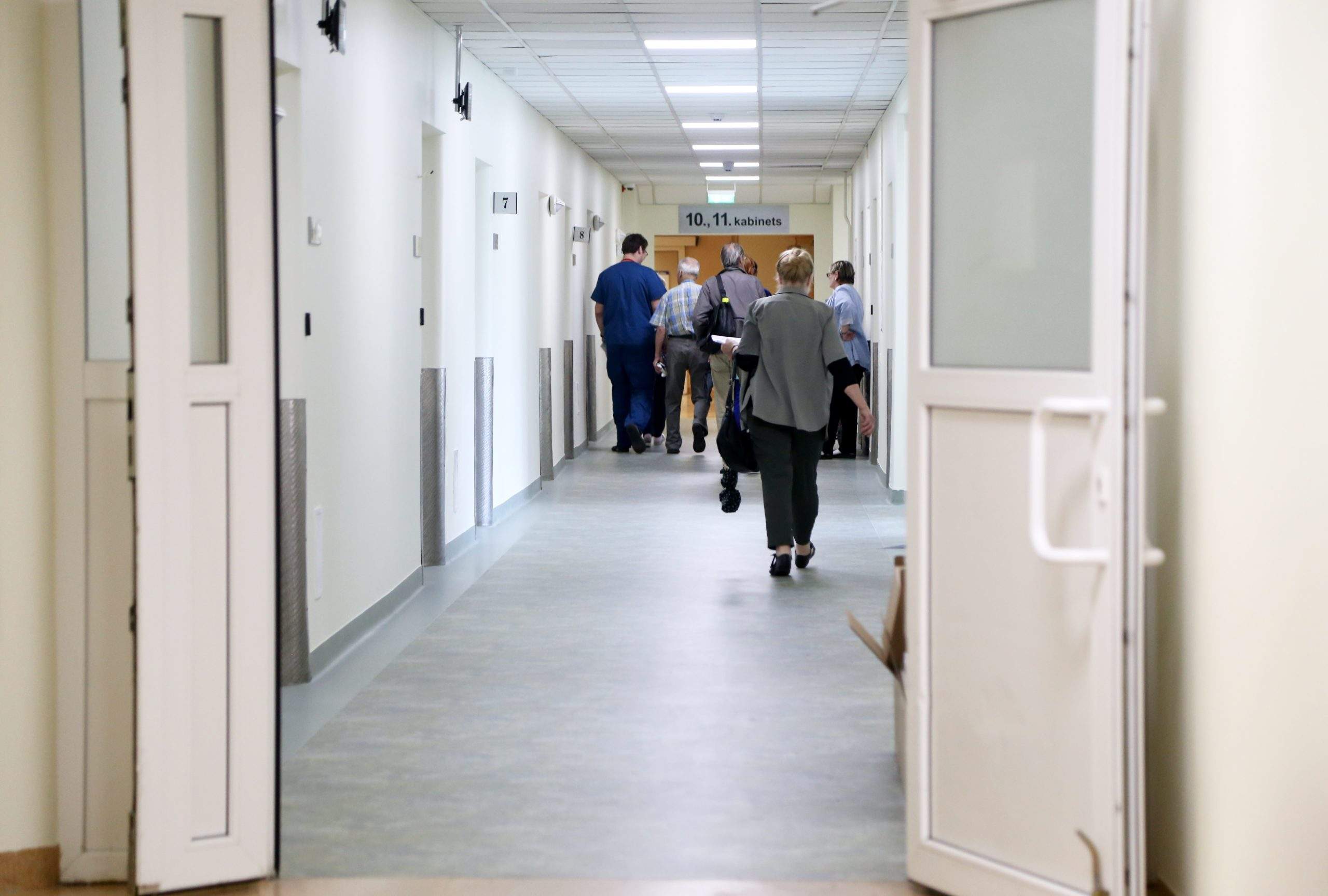
A Latvian social media user named Jānis has sparked a wide discussion on platform X after describing his visit to a traumatologist. He said he spent four and a half hours in line, paid 56 euros, and was told to take the anti-inflammatory drug Ibumetin for a painful ankle. His post drew many comments from people sharing similar experiences.
One commenter, Ansis, said that in London he waited nine hours in an emergency department with a high fever and received only advice to take paracetamol. Another user described a friend from Grobiņa who spent eight hours in an Italian emergency room with Lyme disease, semi-conscious, and was advised to take paracetamol. By the time the friend reached Latvia he was nearly unconscious and was taken from the airport to intensive care, where doctors reportedly said that another half a day would have been the end. Another Jānis wrote that his injury was nearly two weeks old, and when his leg started hurting again he was not qualified for free emergency care; he received an X-ray and advice on painkillers and taping. Ritvars said he visited two traumatologists for shoulder pain so severe he could not raise his arm; one advised positive thinking, the other recommended Ibumetin. The two consultations cost 120 euros in total.
These accounts raise the question of when emergency department treatment is covered by the state. According to the National Health Service (NVD), hospital admission departments are intended for acute cases where a person’s health or life is threatened. State-funded care is not provided for non-urgent conditions that require planned treatment. The NVD notes that in the situation described by one commenter, where the injury occurred a week and a half earlier, it is impossible to assess the patient’s condition or why free emergency care was not granted.
In cases of trauma, sudden illness or flare-up of a chronic disease that requires urgent medical intervention beyond the family doctor’s competence, people may go to urgent medical care points. Such points currently operate in Gulbene, Priekule, Saldus, Saulkrasti, Smiltene and Valka. If no such point is nearby, patients can go to a hospital admission department, but the NVD recommends calling first to check whether the required service is available, since not all departments offer the same care.
For minor injuries, the NVD advises consulting a family doctor or physician assistant. If the family doctor is unavailable, people can contact the on-call doctor or call the family doctors’ advisory line at 66016001. Thus, going to a hospital admission department does not automatically mean the treatment will be state-funded. The key factors are how acute the patient’s condition is and what type of medical care is needed.