Four drone strikes in four days hit tankers carrying Kazakhstan's oil
Four tankers transporting Kazakh crude oil were attacked by drones over four days at the Caspian Pipeline Consortium terminal in the Black Sea. Kazakhstan condemned the strikes, calling them a threat to global energy security.
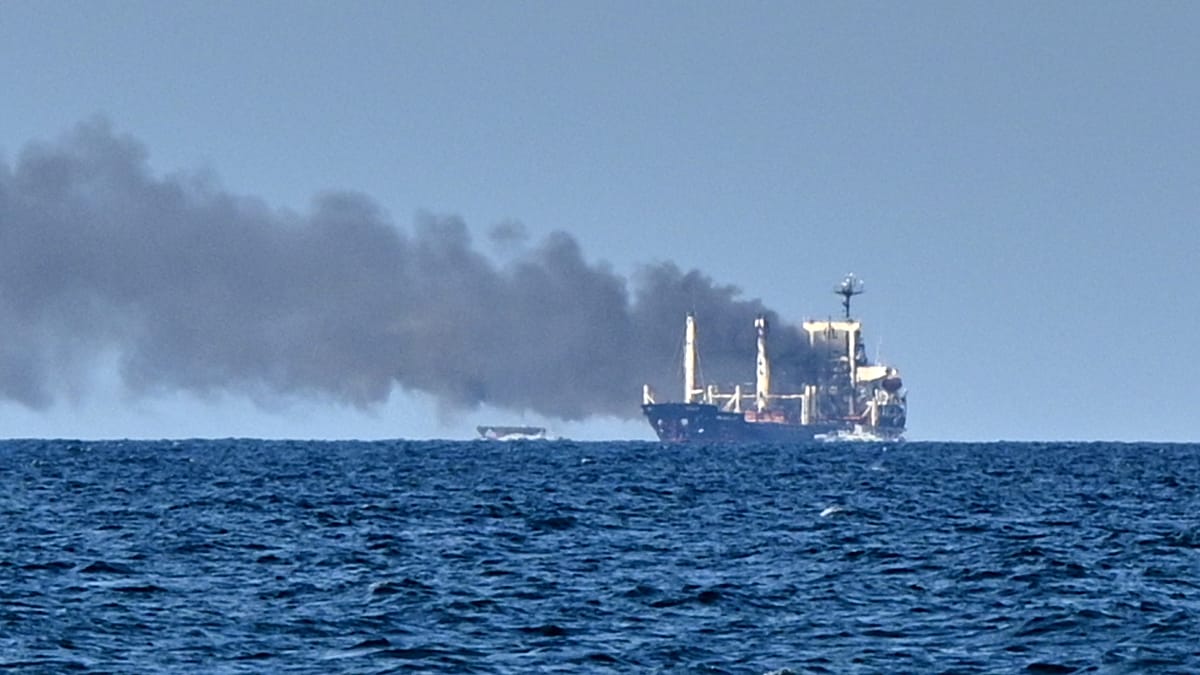
In four consecutive days, four tankers intended to carry crude oil from Kazakhstan were struck by drones while loading at the Caspian Pipeline Consortium (CPC) marine terminal on the Black Sea. Kazakhstan's foreign and energy ministries condemned the attacks, stating they undermine global energy security and the economic interests of CPC member states. The ministry said the ships were "civilian vessels engaged in legitimate commercial transportation of oil."
The first attack occurred on Friday, hitting the empty tanker Nordic Zenith en route to the terminal, causing a fire that was extinguished by the crew. On Sunday, two tankers—Asia (Liberia-flagged) and Nissos Ios (Marshall Islands)—were attacked while loading, with fires breaking out on both. The crews managed to put them out. On Monday, CPC reported another drone strike on the Cameroon-flagged tanker Nelsa, which was loading at Single Point Mooring-1. The hit caused a fire and forced the evacuation of 22 crew members; the tanker remained afloat and no oil spill occurred.
Kazakhstan's energy ministry said crude loading operations at the terminal have been suspended pending a full assessment. The foreign ministry added that the attacks were a "deliberate" violation of agreed procedures for information exchange about civilian ships in the Black Sea, and that Astana reserves the right to seek compensation under international law.
The attacks are widely attributed to Ukraine, which has repeatedly struck Russian oil infrastructure during the full-scale invasion to cut Moscow's revenue. However, CPC has not formally assigned blame, and Ukraine has not claimed responsibility.
The CPC pipeline is Kazakhstan's main oil export route, carrying about 80% of its oil—over 1% of global supply. In 2025, the consortium shipped approximately 70.5 million tonnes of crude. Prolonged disruptions could reduce export revenues and pressure Kazakhstan's budget. CPC members include Russia, the US, Kazakhstan, and several Western European countries.