Anger, fear and compassion: Ceuta's uncertain road back to normality
Residents of the Spanish enclave protested against the government after a mass migrant arrival, expressing feelings of abandonment and fear, while authorities and aid groups continued to deal with a deep humanitarian crisis.
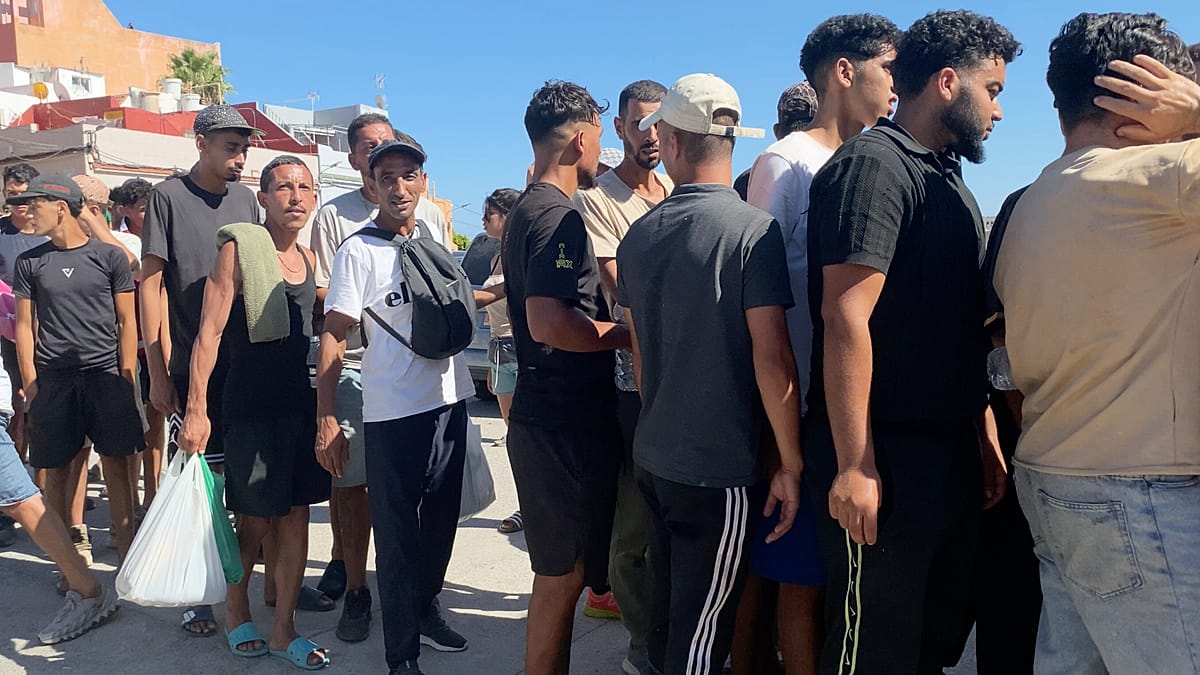
A demonstration was called shortly after the latest migrant surge reached Ceuta, and locals took to the streets even as Madrid insisted that nearly all new arrivals had been returned to Morocco. Protesters shouted that Ceuta was not for sale, demanded the resignation of Prime Minister Pedro Sánchez, and declared the city's unity. Many said they felt abandoned, humiliated and betrayed.
One woman told journalists she had not slept for two nights and had barricaded herself at home with her granddaughters, adding that Spanish intelligence should have known what was happening. Another demonstrator argued that Ceuta is a military city and that its 3,000 soldiers should have been deployed to defend it. A third protester complained that the government had offered no plan or public explanation.
The protest was fuelled by fear, in part because the overwhelming majority of migrants who crossed were men. According to the Government Delegation, at least 1,000 minors are still in the city, moving through beaches, streets, parks and wasteland. A migrant explained that poverty in Morocco had pushed him to Spain, but that he had been treated very badly here. Another said his whole family was poor and that he was sleeping on the street, unsure how long he could continue.
Even residents who describe themselves as moderate and empathetic admitted to feeling vulnerable. A man walking his dog said security forces were struggling to keep control and that the border needed to be solid. During the reporting, security personnel were seen carrying out an operation near a central beach, and at the border other migrants were removed from buses and escorted back to their point of entry.
At least 75 people are believed to have drowned while attempting to swim across the sea near the border, and authorities fear the death toll may be higher. Those who remain have no means of subsistence. The NGO Luna Blanca says it has helped at least 4,000 people since the crisis began; in one afternoon alone, volunteers distributed 2,000 food portions in under two hours. Its coordinator, Halima Ahmed Iacobi, defended the aid, saying humanity comes first and people cannot be left to starve. She said the real 'pull factor' was misinformation on social media about generous benefits and a 'red carpet' for migrants, including claims of 1,500 to 1,800 euros in handouts, which she dismissed as false.
The reporter stayed in Ceuta for less than 30 hours, leaving four days after the crisis began. The enclave now faces an uncertain battle to restore a sense of normality, caught between indignation, fear, incomprehension and compassion.

