How Long Should a New Smart TV Last? Between Five and 12 Years
A new smart TV typically lasts seven to 10 years, though lifespan depends on panel type and usage habits. Tech outlet Engadget outlines what affects it and how to extend it.
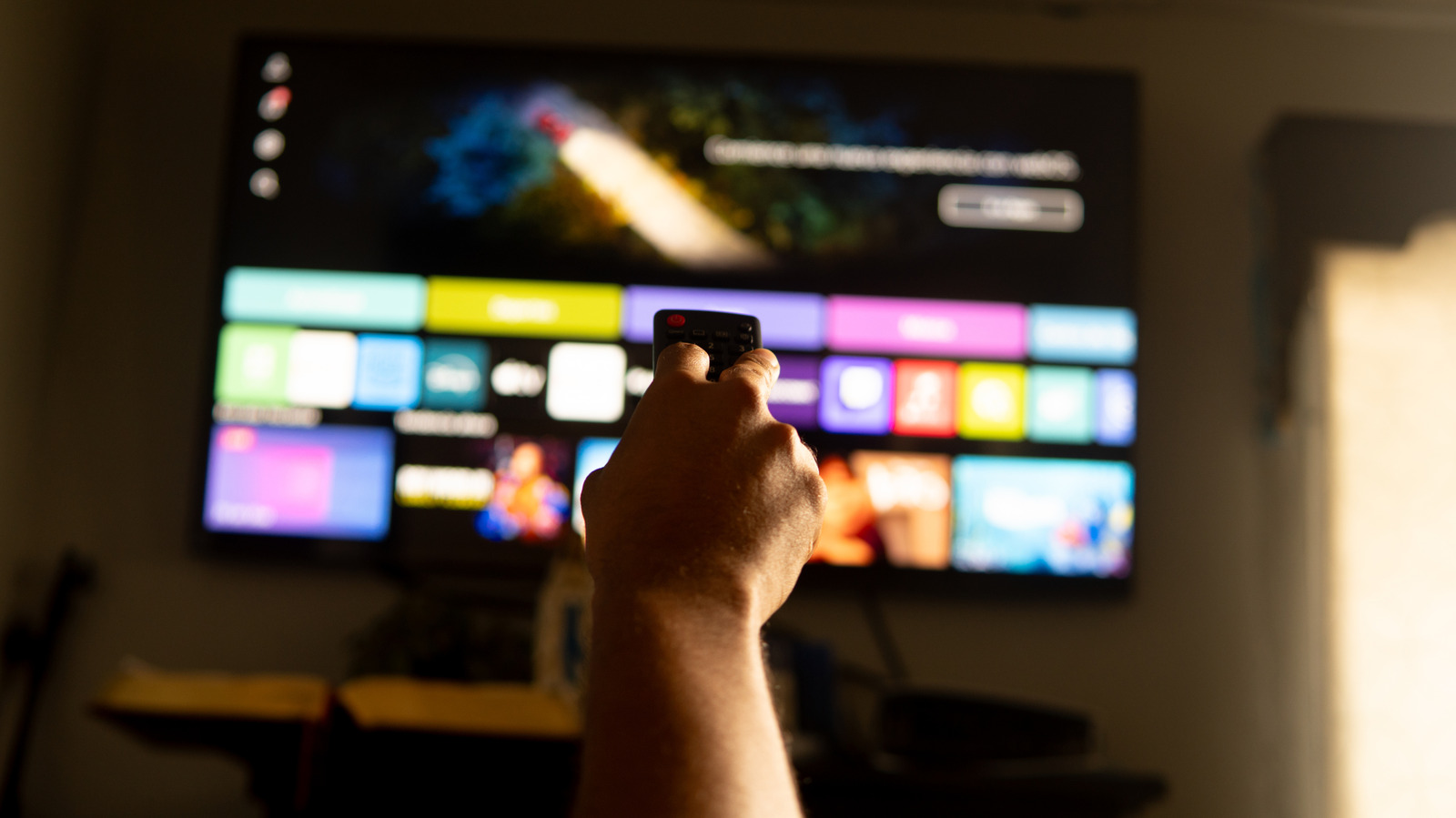
A new smart TV bought for the home typically lasts seven to 10 years, and careful use can stretch that further. Tech outlet Engadget explains how panel type and everyday habits shape a television's lifespan.
Lifespan depends on panel type
Standard LED/LCD TVs are rated for 40,000–60,000 hours of use, but in practice usually last five to seven years because components such as the power supply or backlight fail first. QLED and mini LED sets are rated for 60,000–100,000 hours and average around eight to 10 years. OLED TVs are also rated for up to 100,000 hours and typically last eight to 12 years, though they carry a risk of burn-in. MicroLED models last longest, with a rating above 100,000 hours and a typical lifespan of 11 years or more.
The rated hours measure gradual dimming, meaning the time it takes for a panel's brightness to fall below 50 percent of its original output. Most TVs, however, fail for other reasons. Heat is a major factor, especially in LED/LCD sets, where it concentrates around the panel edges and speeds up backlight wear. Constant maximum brightness also shortens component life, and electrical fluctuations slowly damage the logic board and power supply. These internal parts often fail before the panel does.
Software support
Updates matter too. Major manufacturers provide four to eight years of support. Samsung offers seven years on models released since 2024 and some 2023 models, LG offers five years, and Hisense offers up to eight years for TVs running VIDAA OS.
How to extend a TV's life
Engadget recommends moderate brightness of 50 to 75 percent, which can extend backlight life by up to 67 percent. The TV should be switched off rather than left on standby or a screensaver. On OLED sets, static images should not stay on screen for hours. Surge protection, good ventilation and regular software updates also help. If updates stop but the display still works, the TV can be connected to a streaming device such as an Amazon Fire TV Stick or Roku.