How Long Does a New iPhone Actually Last? Key Factors Explained
Apple offers long-term software support for iPhones, but battery degradation and hardware aging ultimately determine lifespan. Even newer models may struggle with demanding iOS versions.
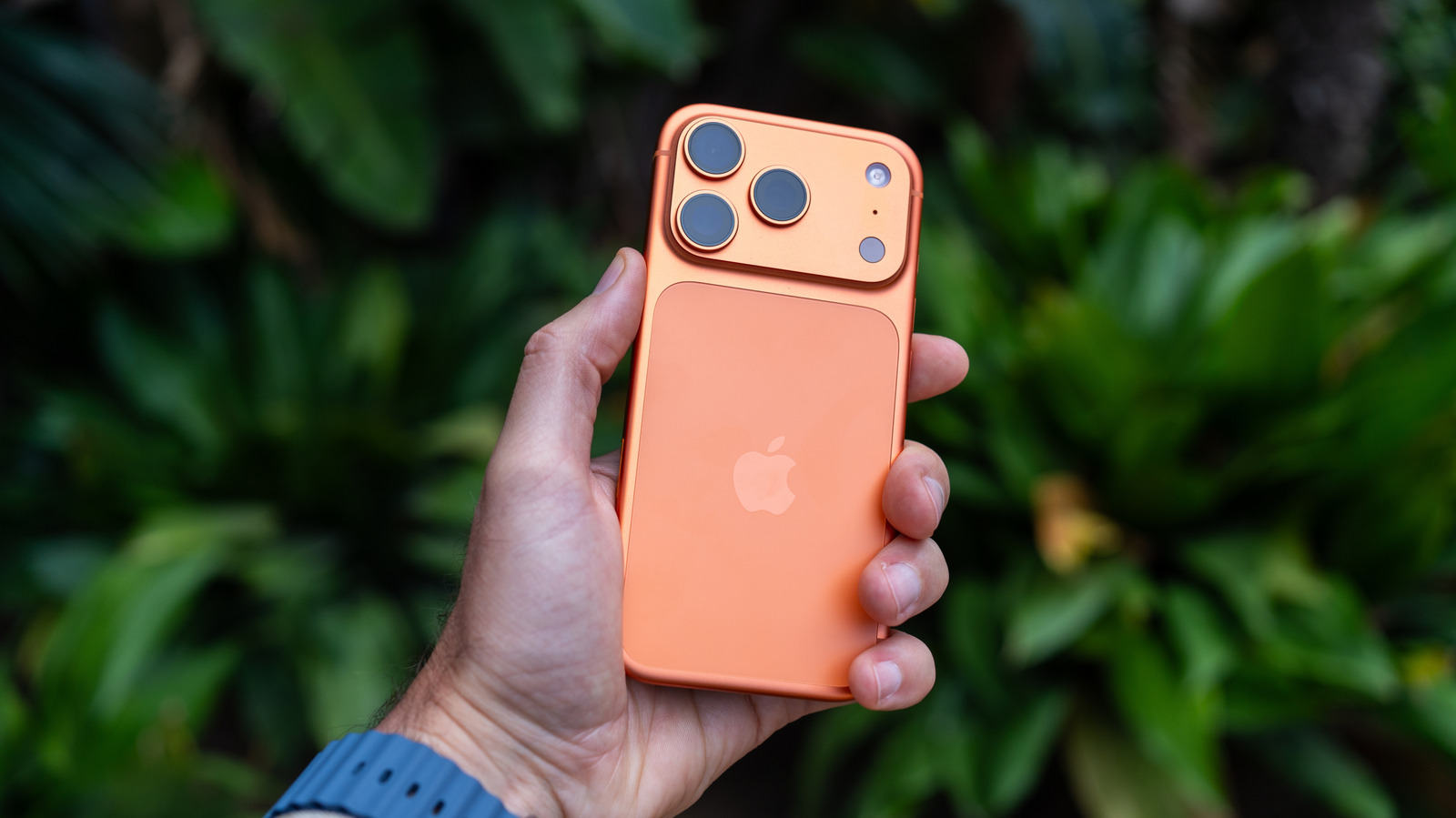
If you're considering upgrading your iPhone or planning to keep your current one for a few more years, it helps to understand how long it will actually last. The answer has two parts: how long it remains functional and how long you can resist the lure of new features.
Apple is known for its long-term software support. At WWDC 2026, the company announced that the latest iOS version will support the iPhone 11 from 2019. This suggests that a new iPhone 16 or 17 should receive updates at least until 2031. But software support is only one factor.
Battery degradation is often the first hurdle. Apple says the iPhone 15 series batteries retain about 80% of their original capacity after 1,000 charge cycles. Replacing the battery after a couple of years can improve performance, but eventually the aging hardware—slower processor and limited RAM—becomes a bottleneck. Since the "Batterygate" controversy, Apple has made battery health metrics transparent; when health drops below 80%, replacement is recommended.
Modern iPhones are built to last. The iPhone 17 Pro series uses an aluminum body, and many users report no scratches even without a case. Reddit users often claim five years or more of use with only a battery replacement. However, newer iOS versions are increasingly demanding. The iPhone 15 Pro Max, marketed for AAA games, dropped frames and ran hot on iOS 26. Apple acknowledged this and focused iOS 27 on performance and stability improvements, which proved effective even on older devices.
In short, an iPhone can last a long time, but battery life and software demands set limits. To maximize longevity, consider a battery replacement and be cautious about updating to the latest iOS on older hardware.